Gender
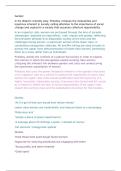
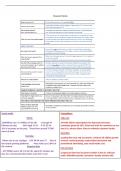
In his didactic morality play, Priestley critiques the inequalities and
injustices inherent in society calling attention to the importance of social
change and urging for a society that assumes collective responsibility.
In an inspector calls, women are portrayed through the lens of societal
stereotypes, depicted as materialistic, rude, impure and greedy, reflecting
the prevalent attitude of an Edwardian society at the time and the
challenges facing women, in particular women of the lower class, in
combatting misogynistic attitudes. Mr and Mrs birling are used as tools to
portray the upper class dehumanisation of lower-class women, portraying
them as a mass rather than as individuals.
Priestley utilises the confines of a patriarchal society in order to expose
the manner in which the bourgeoisie exploit working class women
critiquing the inherent link between gender and class and underscoring
the systematic exploitation of women.
Priestley also uses the power imbalance inherent in the gender structures
of an inspector calls as a vehicle to explore the exploitation of lower-class
women for upper class male sexual gratification and the hypocrisy of a
highly ‘moralistic’ Edwardian society. Characters like Gerald and Eric serve
as a means to reflect the lack of social responsibility of the upper class
toward the working class and the exploitation of women for their bodies.
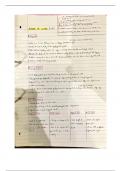
Quotes
‘As if a girl of that sort would ever refuse money’
Lower class women are materialistic and reduces them to a stereotype
‘Ridiculous airs’
‘Simply a piece of gross impertinence’
‘A average about 25 shillings a week. I refused of course.’
‘Fat old tarts’ misogynistic epithet
Quotes
‘Hate those hard eyed dough faced women’
Hypocrite for shaming prostitutes but engaging with them
‘Young pretty and warm-hearted’
‘Good sport’
In his didactic morality play, Priestley critiques the inequalities and
injustices inherent in society calling attention to the importance of social
change and urging for a society that assumes collective responsibility.
In an inspector calls, women are portrayed through the lens of societal
stereotypes, depicted as materialistic, rude, impure and greedy, reflecting
the prevalent attitude of an Edwardian society at the time and the
challenges facing women, in particular women of the lower class, in
combatting misogynistic attitudes. Mr and Mrs birling are used as tools to
portray the upper class dehumanisation of lower-class women, portraying
them as a mass rather than as individuals.
Priestley utilises the confines of a patriarchal society in order to expose
the manner in which the bourgeoisie exploit working class women
critiquing the inherent link between gender and class and underscoring
the systematic exploitation of women.
Priestley also uses the power imbalance inherent in the gender structures
of an inspector calls as a vehicle to explore the exploitation of lower-class
women for upper class male sexual gratification and the hypocrisy of a
highly ‘moralistic’ Edwardian society. Characters like Gerald and Eric serve
as a means to reflect the lack of social responsibility of the upper class
toward the working class and the exploitation of women for their bodies.
Quotes
‘As if a girl of that sort would ever refuse money’
Lower class women are materialistic and reduces them to a stereotype
‘Ridiculous airs’
‘Simply a piece of gross impertinence’
‘A average about 25 shillings a week. I refused of course.’
‘Fat old tarts’ misogynistic epithet
Quotes
‘Hate those hard eyed dough faced women’
Hypocrite for shaming prostitutes but engaging with them
‘Young pretty and warm-hearted’
‘Good sport’