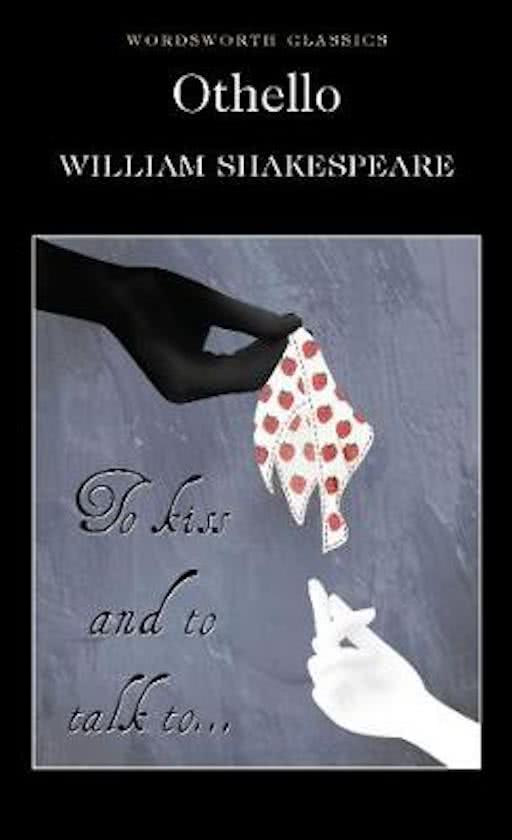
Othello
Context
Setting
In 1600, Venice was a major trading post, attracting foreigners of many different
races. Othello’s position as a general wouldn’t have been unusual. Venice (and
more generally Italy) was often used as a setting for revenge tragedies. It was
associated with cultural sophistication – power, order and wealth.
In Cyprus, far away from the civilisation of Venice, Iago has power as a tragic
villain – the audience would have associated the island with danger and isolation.
During the Renaissance, there were continuous wars between Christians and
Muslims for control of the Mediterranean.
Cyprus is also an ironic setting for a tragedy, as Venus (the Roman goddess of
love) was supposed to have risen from the sea off the island’s west coast.
Stage directions
On the Shakespearean stage, there was little to no scenery and props, due to the
lack of storage, and the fact productions had to be transportable for performance
at court and noble houses. Because of this, characters often tell us where they
are. Descriptions are used to create tension or specific dramatic mood (e.g. the
storm at the beginning of Act 2 is described verbally).
The main prop would have been the bed where Othello murders Desdemona. It
would have dominated the stage, emphasising the tragedy of the death.
Race and Post-Colonialism
Although black protagonists existed earlier than Othello, he is the first Moor who
is a tragic hero in Jacobean drama. This makes him unconventional. For the
contemporary audience, it could also have suggested that his doom is fated -
Renaissance Christians believed that Africans were the descendent of Ham
(cursed by his father Noah, creating an accursed race).
Elizabethans also associated black men with the Devil or, generally, evil.
Brabantio references Othello bewitching Desdemona. This would’ve been seen as
a very real threat and a sign of evil, as the contemporary society believed in
witchcraft.
The often-derogatory racial references (e.g. ‘the Moor’, ‘thick-lips, ‘black ram’
etc.) would have signified Othello as an outsider, alienated from society. Many
believed that black people were only fit to be slaves.
Context
Setting
In 1600, Venice was a major trading post, attracting foreigners of many different
races. Othello’s position as a general wouldn’t have been unusual. Venice (and
more generally Italy) was often used as a setting for revenge tragedies. It was
associated with cultural sophistication – power, order and wealth.
In Cyprus, far away from the civilisation of Venice, Iago has power as a tragic
villain – the audience would have associated the island with danger and isolation.
During the Renaissance, there were continuous wars between Christians and
Muslims for control of the Mediterranean.
Cyprus is also an ironic setting for a tragedy, as Venus (the Roman goddess of
love) was supposed to have risen from the sea off the island’s west coast.
Stage directions
On the Shakespearean stage, there was little to no scenery and props, due to the
lack of storage, and the fact productions had to be transportable for performance
at court and noble houses. Because of this, characters often tell us where they
are. Descriptions are used to create tension or specific dramatic mood (e.g. the
storm at the beginning of Act 2 is described verbally).
The main prop would have been the bed where Othello murders Desdemona. It
would have dominated the stage, emphasising the tragedy of the death.
Race and Post-Colonialism
Although black protagonists existed earlier than Othello, he is the first Moor who
is a tragic hero in Jacobean drama. This makes him unconventional. For the
contemporary audience, it could also have suggested that his doom is fated -
Renaissance Christians believed that Africans were the descendent of Ham
(cursed by his father Noah, creating an accursed race).
Elizabethans also associated black men with the Devil or, generally, evil.
Brabantio references Othello bewitching Desdemona. This would’ve been seen as
a very real threat and a sign of evil, as the contemporary society believed in
witchcraft.
The often-derogatory racial references (e.g. ‘the Moor’, ‘thick-lips, ‘black ram’
etc.) would have signified Othello as an outsider, alienated from society. Many
believed that black people were only fit to be slaves.