Translations Themes
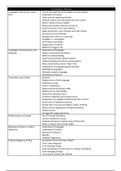
Language, Identity and Culture -Use of main plot device of English and Irish façade
(LIC) -Importance of names
-Owen and his switching identity
-Yolland’s desire to be absorbed into Irish culture
-Maire’s desire to learn English
-Manus and Doalty’s defence of culture
-Sarah’s firmness in her own identity
-Hugh and Jimmy’s use of Greek and Latin Culture
-Presence of rural identities
-Disregard for culture in renaming
-Polyglots v.s. monoglots
-Irish dialect and motifs
-Suppression of culture
-Need for change in LIC
Language, Communication and -Importance of language
Meaning -Owen’s inaccurate translations
-Need for understanding
-Sarah communicates without speech
-Yolland and Maire’s lack of communication
-Place names have a story- Tobair Vree
-Progression of languages (good and bad)
-Dead/dying languages
-Attitudes towards language
-Importance of Names
Colonialism and Conflict -Invasion
-Replacement of Irish language
-Ordinance survey
-Owen’s translations
-National Schools initiative 1831
-References to Irish hostility
-Role of the Donnelly Twins
-Conflicts of identity and societal norms
-Progression of multiple conflicts that end in a burst
-Characters of Yolland and Lancey
-People who cross barriers (Maire, Owen, Yolland)
-Manus and his opposition of English presence
-Doalty’s prank
-Vinegar Hill- Hugh and Jimmy
Modernisation of Ireland -Dan O’Connell and Maire
-Lancey’s ordinance survey
-Yolland and Owen’s original views of their task
-Move to towns and City like Dublin
Relevance of play to modern -Importance of language
audiences -Importance of names
-Relevance of history
-Identity
-Irelands Progression
Political Allegiance of Play -Anti-British? Pro-Irish? Bit of Both?
-Friel’s own allegiance
-True meaning of play
-Internal opinions of characters (i.e. Manus and Maire)
-Final message of Hugh
-Cross parties (Owen and Yolland)
Language, Identity and Culture -Use of main plot device of English and Irish façade
(LIC) -Importance of names
-Owen and his switching identity
-Yolland’s desire to be absorbed into Irish culture
-Maire’s desire to learn English
-Manus and Doalty’s defence of culture
-Sarah’s firmness in her own identity
-Hugh and Jimmy’s use of Greek and Latin Culture
-Presence of rural identities
-Disregard for culture in renaming
-Polyglots v.s. monoglots
-Irish dialect and motifs
-Suppression of culture
-Need for change in LIC
Language, Communication and -Importance of language
Meaning -Owen’s inaccurate translations
-Need for understanding
-Sarah communicates without speech
-Yolland and Maire’s lack of communication
-Place names have a story- Tobair Vree
-Progression of languages (good and bad)
-Dead/dying languages
-Attitudes towards language
-Importance of Names
Colonialism and Conflict -Invasion
-Replacement of Irish language
-Ordinance survey
-Owen’s translations
-National Schools initiative 1831
-References to Irish hostility
-Role of the Donnelly Twins
-Conflicts of identity and societal norms
-Progression of multiple conflicts that end in a burst
-Characters of Yolland and Lancey
-People who cross barriers (Maire, Owen, Yolland)
-Manus and his opposition of English presence
-Doalty’s prank
-Vinegar Hill- Hugh and Jimmy
Modernisation of Ireland -Dan O’Connell and Maire
-Lancey’s ordinance survey
-Yolland and Owen’s original views of their task
-Move to towns and City like Dublin
Relevance of play to modern -Importance of language
audiences -Importance of names
-Relevance of history
-Identity
-Irelands Progression
Political Allegiance of Play -Anti-British? Pro-Irish? Bit of Both?
-Friel’s own allegiance
-True meaning of play
-Internal opinions of characters (i.e. Manus and Maire)
-Final message of Hugh
-Cross parties (Owen and Yolland)