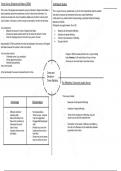
Crime Survey England and Wales (CSEW) Self-Report Studies
This is one of the largest social research surveys conducted in England and Wales. It This is a type of survey, questionnaire, or poll in which respondents read the question
asks households about their experiences of crime in face-to-face interviews. It is and select a response by themselves without any outside interference.
carried out annually each July and quarterly updates are provided in January, April, A self-report is any method which involves asking a participant about their feelings,
July & October. It is based on victim surveys and recorded in the form of interviews. attitudes and beliefs.
Participants are aged between 10 and 25.
It is conducted to:
- Measure the amount of crime in England and Wales ● Measures of self-reported offending
- Develop and assess policies which aim to reduce the amount of crime ● Indicators of repeat offending
- Track the changing levels of crime from one year to the next ● Trends in the prevalence of offending
● Drug and alcohol
Approximately 75,000 households are invited to participate in the survey over England
and Wales however this number is often not reached.
It is not entirely valid as: It began in 2003 and was planned to be a 4-year rotating
- ‘Victimless crimes’ e.g. prostitution study. However, it still exists today to focus on these
- Crimes against businesses
crimes as you are more likely to see these crimes.
- Homicide and gambling
Are all not included.
In the last decade it has seen a downward trend in crime. Crime and
Deviance -
Crime Statistics
The Offending, Crime and Justice Survey
This survey includes:
Advantages Disadvantages - Measures of self-reported offending
- Indicators of repeat offending
- Effective method of - Not representative.
collecting data. - Victim surveys - Answers - Trends in the prevalence of offending, drug and
- Data is less likely to be may be exaggerated. alcohol use and the links between them
false when somebody is - Exaggerated/downplayed
interviewed in person stats. - Information on the nature of offences committed e.g.
(face to face). - Results may come from the role of co-offenders and the relationship between
- Includes crimes from the locations where crime is perpetrators and victims.
dark figure. less likely.
- People may not be aware
they are victims of crime.
This is one of the largest social research surveys conducted in England and Wales. It This is a type of survey, questionnaire, or poll in which respondents read the question
asks households about their experiences of crime in face-to-face interviews. It is and select a response by themselves without any outside interference.
carried out annually each July and quarterly updates are provided in January, April, A self-report is any method which involves asking a participant about their feelings,
July & October. It is based on victim surveys and recorded in the form of interviews. attitudes and beliefs.
Participants are aged between 10 and 25.
It is conducted to:
- Measure the amount of crime in England and Wales ● Measures of self-reported offending
- Develop and assess policies which aim to reduce the amount of crime ● Indicators of repeat offending
- Track the changing levels of crime from one year to the next ● Trends in the prevalence of offending
● Drug and alcohol
Approximately 75,000 households are invited to participate in the survey over England
and Wales however this number is often not reached.
It is not entirely valid as: It began in 2003 and was planned to be a 4-year rotating
- ‘Victimless crimes’ e.g. prostitution study. However, it still exists today to focus on these
- Crimes against businesses
crimes as you are more likely to see these crimes.
- Homicide and gambling
Are all not included.
In the last decade it has seen a downward trend in crime. Crime and
Deviance -
Crime Statistics
The Offending, Crime and Justice Survey
This survey includes:
Advantages Disadvantages - Measures of self-reported offending
- Indicators of repeat offending
- Effective method of - Not representative.
collecting data. - Victim surveys - Answers - Trends in the prevalence of offending, drug and
- Data is less likely to be may be exaggerated. alcohol use and the links between them
false when somebody is - Exaggerated/downplayed
interviewed in person stats. - Information on the nature of offences committed e.g.
(face to face). - Results may come from the role of co-offenders and the relationship between
- Includes crimes from the locations where crime is perpetrators and victims.
dark figure. less likely.
- People may not be aware
they are victims of crime.