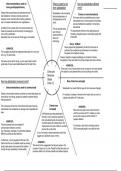
- Interconnectedness; easier to What is meant by the How has globalisation affected
move goods/people/money term ‘globalisation’ crime?
Greater interconnectedness and international travel Globalisation is the increasing
- Crimes are now international
has facilitated an increase of people, goods and interconnectedness and
This means that the possibilities today of rapid
weapons across countries without raising suspicions interdependence in the
international travel, communication and business
due to increased international crime organisations. world.
can also facilitate the possibility of crime being
In addition to this, people who move across borders are international.
This has typically been
harder to prosecute due to their activity not belonging to seen through The opportunities of these crimes taking place are
one country’s jurisdiction. advancements in increasing, alongside ways to avoid being caught and
Essentially, they do not have all of their eggs in one basket. trade and prosecuted.
technology.
- Glenny: ‘McMafia’
Glenny argues that globalisation (the fall of Communism in
- HOWEVER…
particular) has created the circumstances for new Eastern
The smuggling of people has happened historically for a very long
European crime mafias to emerge.
time, e.g. the slave trade.
Russian ‘oligarchs’ emerged capitalising on industries in Russia
The same can be said for drugs, e.g. the opium trade in which deregulating. They were able to buy things cheaply and make a fortune.
great deals of opium were traded between the UK and China. - HOWEVER…
There was a loss of social control and an increase in crime and disorder.
Crime and The oligarchs could operate without any real policing and control.
Deviance -
Global
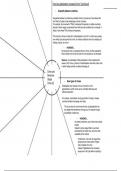
How has globalisation increased crime? - New crimes have emerged
Crime (1)
- Interconnectedness; easier to communicate Globalisation has meant that the types of crime have also changed.
Greater communication between countries has meant that people are For example, increases in terrorism which wasn’t seen as much on
more able to move drugs, people etc. between countries without a global scale before 9/11 took place.
raising suspicions.
This is because with the rise of the internet and easier travel etc, - Crimes have - HOWEVER…
international crime companies can emerge and be operated with increased Risks were not really known around terrorism
ease. until the occurrence of 9/11. Instead you could
Left Realists argue that globalisation
has led to many companies exporting just say that is was put at the forefront of
their manufacturing jobs to developing people’s attention.
- HOWEVER…
countries leading to unemployment, less
There has always been some degree of For example, cyber tactics are being used by
employment and a loss of skills in countries
communication between countries. ISIS to persuade people to now fight for them.
like the UK and the USA,
E.g. Historically, marriages of royal families between
different countries has kept alliances. In turn, this leads to relative deprivation which they
suggest is a significant cause of crime.
Furthermore, it can be argued that the rise of the
internet and the rise of available media has instead - HOWEVER…
simply made people more aware of this problem This should not be exaggerated. Not all poor people in the
through the easy availability of media outlets. countries of origin turn to crime. People find that other jobs and
countries similar to the UK have benefits and welfare systems.
move goods/people/money term ‘globalisation’ crime?
Greater interconnectedness and international travel Globalisation is the increasing
- Crimes are now international
has facilitated an increase of people, goods and interconnectedness and
This means that the possibilities today of rapid
weapons across countries without raising suspicions interdependence in the
international travel, communication and business
due to increased international crime organisations. world.
can also facilitate the possibility of crime being
In addition to this, people who move across borders are international.
This has typically been
harder to prosecute due to their activity not belonging to seen through The opportunities of these crimes taking place are
one country’s jurisdiction. advancements in increasing, alongside ways to avoid being caught and
Essentially, they do not have all of their eggs in one basket. trade and prosecuted.
technology.
- Glenny: ‘McMafia’
Glenny argues that globalisation (the fall of Communism in
- HOWEVER…
particular) has created the circumstances for new Eastern
The smuggling of people has happened historically for a very long
European crime mafias to emerge.
time, e.g. the slave trade.
Russian ‘oligarchs’ emerged capitalising on industries in Russia
The same can be said for drugs, e.g. the opium trade in which deregulating. They were able to buy things cheaply and make a fortune.
great deals of opium were traded between the UK and China. - HOWEVER…
There was a loss of social control and an increase in crime and disorder.
Crime and The oligarchs could operate without any real policing and control.
Deviance -
Global
How has globalisation increased crime? - New crimes have emerged
Crime (1)
- Interconnectedness; easier to communicate Globalisation has meant that the types of crime have also changed.
Greater communication between countries has meant that people are For example, increases in terrorism which wasn’t seen as much on
more able to move drugs, people etc. between countries without a global scale before 9/11 took place.
raising suspicions.
This is because with the rise of the internet and easier travel etc, - Crimes have - HOWEVER…
international crime companies can emerge and be operated with increased Risks were not really known around terrorism
ease. until the occurrence of 9/11. Instead you could
Left Realists argue that globalisation
has led to many companies exporting just say that is was put at the forefront of
their manufacturing jobs to developing people’s attention.
- HOWEVER…
countries leading to unemployment, less
There has always been some degree of For example, cyber tactics are being used by
employment and a loss of skills in countries
communication between countries. ISIS to persuade people to now fight for them.
like the UK and the USA,
E.g. Historically, marriages of royal families between
different countries has kept alliances. In turn, this leads to relative deprivation which they
suggest is a significant cause of crime.
Furthermore, it can be argued that the rise of the
internet and the rise of available media has instead - HOWEVER…
simply made people more aware of this problem This should not be exaggerated. Not all poor people in the
through the easy availability of media outlets. countries of origin turn to crime. People find that other jobs and
countries similar to the UK have benefits and welfare systems.