
Theme 2 Topic 3
Stock Control
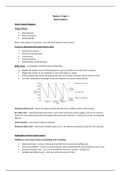
Stock Control Diagram
Types of Stock:
Raw materials
Work-in-progress
Finished goods
Stock is also known as ‘inventory’ and is the least liquid of current assets.
Factors to Determine How Much Stock is Held:
Demand for product
Amount of storage space
Cost of stock
Seasonal product
Opportunities of bulk discount
Buffer Stock – an emergency minimum level of stock held
Might hold a buffer stock of finished goods in case of a sudden new order from customers
Might hold a buffer of raw materials in case of disruption in supply
Protects against the risk of disrupted production and workers having to wait for stock to arrive
Can offer competitive advantage if they can respond to customer orders quickly
Maximum Stock Level – shows the largest amount that the firm is willing or able to hold in stock
Re-order Level – when stock falls to this level, a new order will be sent to the supplier. This level is reached
before the actual delivery because the supplier will need some ‘lead time’ to process the order and make the
delivery
Order Quantity – the amount ordered each time
Minimum Stock Level – also known as Buffer Stock Level – the minimum quantity of stock the firm will keep
Implication of Poor Stock Control
Holding too much stock creates stockholding costs, including:
Opportunity cost – money is tied up in stock that can’t be used for anything else
Cash flow problems – if stock is not sold quickly, it will not generate the cash required to cover costs
Increased storage costs – e.g. cost of warehouse, insurance, security, wastage, etc.
Spoilage and obsolescence – stock can perish and go out of date
Stock Control
Stock Control Diagram
Types of Stock:
Raw materials
Work-in-progress
Finished goods
Stock is also known as ‘inventory’ and is the least liquid of current assets.
Factors to Determine How Much Stock is Held:
Demand for product
Amount of storage space
Cost of stock
Seasonal product
Opportunities of bulk discount
Buffer Stock – an emergency minimum level of stock held
Might hold a buffer stock of finished goods in case of a sudden new order from customers
Might hold a buffer of raw materials in case of disruption in supply
Protects against the risk of disrupted production and workers having to wait for stock to arrive
Can offer competitive advantage if they can respond to customer orders quickly
Maximum Stock Level – shows the largest amount that the firm is willing or able to hold in stock
Re-order Level – when stock falls to this level, a new order will be sent to the supplier. This level is reached
before the actual delivery because the supplier will need some ‘lead time’ to process the order and make the
delivery
Order Quantity – the amount ordered each time
Minimum Stock Level – also known as Buffer Stock Level – the minimum quantity of stock the firm will keep
Implication of Poor Stock Control
Holding too much stock creates stockholding costs, including:
Opportunity cost – money is tied up in stock that can’t be used for anything else
Cash flow problems – if stock is not sold quickly, it will not generate the cash required to cover costs
Increased storage costs – e.g. cost of warehouse, insurance, security, wastage, etc.
Spoilage and obsolescence – stock can perish and go out of date


