

Theme 2 Topic 6
Legislation
Consumer Protection
Consumer Protection Law – designed to ensure that the consumers are treated fairly by the business from
which they buy
Two Acts of Parliament Are Especially Important
Sales of Goods Act (1893) – the law which says ‘goods must be fit for the purpose for which they are sold’
Three expectations – product must match description, be of merchantable quality and must be fit for
purpose
Customers are entitled to refund, replacement or repair if the three expectations are not met
Trade Descriptions Act (1968) – forces companies to ensure that every claim and statement about a product is
true
Protects against false information, failing to give information, acting aggressively
The Effects on Businesses
Could reduce sales – higher costs mean Business could get bad reputation if
higher prices standards are not met
Costs of business could increase if quality Adverts could be withdrawn if they don’t
needs improving meet the standards
Increased administration Legal implications could be costly
Employee Protection
Employment Law – protects the rights of employees at work
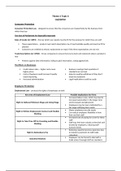
Key Area of Employment Law Possible Implications for Firms
Increased labour costs, which may lead to
increased automation in the longer term
Right to National Minimum Wage and Living Wage and increased unemployment
Employees may be more motivated by a
fair wage satisfying basic needs
Meets employees security needs
Right to Written Employment Contract and Flexible
Can reduce employers flexibility in how
Working
that use their staff
Increased cost of paying for cover for these
staff
Right to Take Time Off for Parenting and Flexible
Staff may feel more valued as they feel well
Working
treated by employers, reducing staff
turnover levels
Reducing capacity becomes expensive due
Right to Redundancy Pay to statutory payments to staff made
redundant
Employers can be forced to deal with a
Industrial Relations
trade union if enough staff are members
Legislation
Consumer Protection
Consumer Protection Law – designed to ensure that the consumers are treated fairly by the business from
which they buy
Two Acts of Parliament Are Especially Important
Sales of Goods Act (1893) – the law which says ‘goods must be fit for the purpose for which they are sold’
Three expectations – product must match description, be of merchantable quality and must be fit for
purpose
Customers are entitled to refund, replacement or repair if the three expectations are not met
Trade Descriptions Act (1968) – forces companies to ensure that every claim and statement about a product is
true
Protects against false information, failing to give information, acting aggressively
The Effects on Businesses
Could reduce sales – higher costs mean Business could get bad reputation if
higher prices standards are not met
Costs of business could increase if quality Adverts could be withdrawn if they don’t
needs improving meet the standards
Increased administration Legal implications could be costly
Employee Protection
Employment Law – protects the rights of employees at work
Key Area of Employment Law Possible Implications for Firms
Increased labour costs, which may lead to
increased automation in the longer term
Right to National Minimum Wage and Living Wage and increased unemployment
Employees may be more motivated by a
fair wage satisfying basic needs
Meets employees security needs
Right to Written Employment Contract and Flexible
Can reduce employers flexibility in how
Working
that use their staff
Increased cost of paying for cover for these
staff
Right to Take Time Off for Parenting and Flexible
Staff may feel more valued as they feel well
Working
treated by employers, reducing staff
turnover levels
Reducing capacity becomes expensive due
Right to Redundancy Pay to statutory payments to staff made
redundant
Employers can be forced to deal with a
Industrial Relations
trade union if enough staff are members


