

Theme 2 Topic 8
Planning Cash-Flow
What is Cash Flow?
Cash Flow – the movement of cash into and out of the business over a period of time
Cash Flow Forecast – estimates of a firm’s expected cash inflows and outflows over a period of time
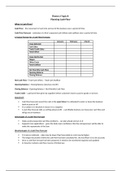
A Typical Format for a Cash Flow Forecast:
January February March
CASH INFLOW:
Cash Sales
Trade Credit Sales
Total Inflow
CASH OUTFLOW:
Wages
Other Costs
Total Outflow
Net Monthly Cash Flow
Opening Balance
Closing Balance
Net Cash Flow = Total Cash Inflow – Total Cash Outflow
Opening Balance = Closing Balance (previous month)
Closing Balance = Opening Balance + Net Monthly Cash Flow
Trade Credit – a period of time given by suppliers before customers have to pay for goods or services
Important!
Cash flow forecasts record the cash at the exact time it is estimated to enter or leave the business
bank account or till
If a number is in brackets it means it is a negative
A cash flow forecast tells us nothing about profit – a profitable business can have poor cash flow and
still go out of business
Advantages of a Cash Flow Forecast
Helps avoid unexpected cash flow problems – can plan ahead and act on it
Supports loan applications – gives the bank more confidence that the entrepreneurs will be able to
make the repayments of the loan
Disadvantages of a Cash Flow Forecast
It is only an estimate – sales may be lower than forecasted or costs may be higher
The longer the period of time the cash flow has been calculated for, the less likely it is to be accurate
Once a cash flow forecast has been prepared, it needs to be monitored regularly and updated
In dynamic markets cash flow may be of limited use
Planning Cash-Flow
What is Cash Flow?
Cash Flow – the movement of cash into and out of the business over a period of time
Cash Flow Forecast – estimates of a firm’s expected cash inflows and outflows over a period of time
A Typical Format for a Cash Flow Forecast:
January February March
CASH INFLOW:
Cash Sales
Trade Credit Sales
Total Inflow
CASH OUTFLOW:
Wages
Other Costs
Total Outflow
Net Monthly Cash Flow
Opening Balance
Closing Balance
Net Cash Flow = Total Cash Inflow – Total Cash Outflow
Opening Balance = Closing Balance (previous month)
Closing Balance = Opening Balance + Net Monthly Cash Flow
Trade Credit – a period of time given by suppliers before customers have to pay for goods or services
Important!
Cash flow forecasts record the cash at the exact time it is estimated to enter or leave the business
bank account or till
If a number is in brackets it means it is a negative
A cash flow forecast tells us nothing about profit – a profitable business can have poor cash flow and
still go out of business
Advantages of a Cash Flow Forecast
Helps avoid unexpected cash flow problems – can plan ahead and act on it
Supports loan applications – gives the bank more confidence that the entrepreneurs will be able to
make the repayments of the loan
Disadvantages of a Cash Flow Forecast
It is only an estimate – sales may be lower than forecasted or costs may be higher
The longer the period of time the cash flow has been calculated for, the less likely it is to be accurate
Once a cash flow forecast has been prepared, it needs to be monitored regularly and updated
In dynamic markets cash flow may be of limited use


