

Theme 1 Topic 18
Marketing Strategy
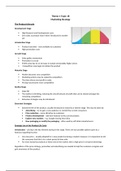
The Product Lifecycle
Development Stage
High Research and Development costs
Zero sales as product hasn’t been introduced to market
yet
Introduction Stage
Product launched – now available to customers
High promotion costs
Growth Stage
Sales gather momentum
Promotion is crucial
Profits arise due to an increase in output and possibly higher prices
Competitors may begin to imitate the product
Maturity Stage
Market becomes very competitive
Marketing actions may be copied by competitors
The time where most profit is made
Pricing may become more competitive
Decline Stage
Sales fall
The market is shrinking, reducing the overall amount of profit that can be shared amongst the
remaining competitors
Extension strategies may be introduced
Extension Strategies
Extend the life of the product, usually introduced at maturity or decline stage. This may be done by:
Advertising – try to gain a new audience or remind the current consumers
Price reduction – more attractive to customers
Product development – add new features to the current product
Explore new markets – e.g. Google moving into China
New packaging or modify the packaging – often used by soft drink manufacturers
Strategic Use of the Product Life Cycle
Introduction – pricing is the key element during in this stage. There are two possible options open to a
business regarding its price:
Very low price – usually adopted for a new product entering a market. However, it is important to tell
the consumer that this is for a short period of time only.
For more exclusive products or those new in the market, then a high price is set (price skimming)
Regardless of the price strategy, promotion and advertising are needed to help the customer recognise and
gain awareness of the product.
Marketing Strategy
The Product Lifecycle
Development Stage
High Research and Development costs
Zero sales as product hasn’t been introduced to market
yet
Introduction Stage
Product launched – now available to customers
High promotion costs
Growth Stage
Sales gather momentum
Promotion is crucial
Profits arise due to an increase in output and possibly higher prices
Competitors may begin to imitate the product
Maturity Stage
Market becomes very competitive
Marketing actions may be copied by competitors
The time where most profit is made
Pricing may become more competitive
Decline Stage
Sales fall
The market is shrinking, reducing the overall amount of profit that can be shared amongst the
remaining competitors
Extension strategies may be introduced
Extension Strategies
Extend the life of the product, usually introduced at maturity or decline stage. This may be done by:
Advertising – try to gain a new audience or remind the current consumers
Price reduction – more attractive to customers
Product development – add new features to the current product
Explore new markets – e.g. Google moving into China
New packaging or modify the packaging – often used by soft drink manufacturers
Strategic Use of the Product Life Cycle
Introduction – pricing is the key element during in this stage. There are two possible options open to a
business regarding its price:
Very low price – usually adopted for a new product entering a market. However, it is important to tell
the consumer that this is for a short period of time only.
For more exclusive products or those new in the market, then a high price is set (price skimming)
Regardless of the price strategy, promotion and advertising are needed to help the customer recognise and
gain awareness of the product.


