

Notes created using ULaw materials for the purpose of assisting existing ULaw GDL students in ULaw GDL exams only. They are
intended to be used as a supplemental tool to aid revision in conjunction with ULaw materials, not as a replacement for them.
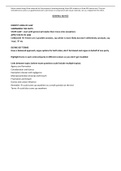
GENERAL ADVICE
IDENTIFY AREA OF LAW
SUMMARISE THE FACTS
STATE LAW – start with general principles then move onto exceptions
APPLY FACTS TO LAW
CONCLUDE → if there are 2 possible answers, say which is more likely but don’t definitively conclude, say
‘may’, ‘if’ etc
DEFINE KEY TERMS
Have a balanced approach, argue options for both sides, don’t be biased and argue on behalf of one party
Highlight facts re each contract/party in different colours so you don’t get muddled
Links between topics (where exam questions could include multiple topics):
Agency and formation
Consideration and duress
Exemption clauses and negligence
Misrepresentation (misrep) and breach
Frustration and breach
Duress and undue influence
Remedies → could come up anywhere as a small question at the end
Terms → could also come up anywhere
, ASPECTS OF CONTRACT FORMATION
STEP 1: state the issue
Eg this is an issue re whether or not there is a binding contract
STEP 2: is there a contract?
Do the easy bits first ie the elements which are met
Make a timeline for each contract
1. Identify who is seeking to show a contract exists
Where there is more than 1 character, deal with each separately and consider events chronologically
2. State: for a binding contract we need:
1) Agreement (offer by one party which Is accepted by the other)
2) Intention to create legal relations; and
3) Consideration ie something in return
→ where there are multiple issues to consider, state this once as an intro and cross refer
3. State: there is agreement if there is a valid offer from 1 party and acceptance by the other
There must be CERTAINTY in offer and acceptance, or court may not uphold contract: Scammell
Eg ‘timber of fair specification’ was too vague: Hillas v Arcos
Intention to create legal relations
1. Assessment of parties’ intention in making an offer is objective → would a reasonable person regard it as
an offer: Smith v Hughes
2. Commercial agreements
i) Presumption that there was intention to create legal relations: Edwards v Skyways
ii) This is rebuttable, if there is specific wording to that effect, but rebutting is tricky: Rose and Frank Co
3. Domestic and Social ie family agreements
i) Presumption that there was no intention to create legal relations between spouses as they are based
on love and affection: Balfour v Balfour
ii) This is rebuttable: Merritt → evidence that may rebut:
• Exercising professional skill
• Distances of relation eg cousins not a close relationship
• There is substantial consideration
• Limited timescale of negotiations
• Product/service being agreed for business purposes
• It is a substantial task which will take several days
• Is the task one which would usually suggest a commercial, formal arrangement?
BUT informal communication may suggest no intention
→ start with presumption, then look for evidence against → if none, state: there is no evidence to rebut this
intended to be used as a supplemental tool to aid revision in conjunction with ULaw materials, not as a replacement for them.
GENERAL ADVICE
IDENTIFY AREA OF LAW
SUMMARISE THE FACTS
STATE LAW – start with general principles then move onto exceptions
APPLY FACTS TO LAW
CONCLUDE → if there are 2 possible answers, say which is more likely but don’t definitively conclude, say
‘may’, ‘if’ etc
DEFINE KEY TERMS
Have a balanced approach, argue options for both sides, don’t be biased and argue on behalf of one party
Highlight facts re each contract/party in different colours so you don’t get muddled
Links between topics (where exam questions could include multiple topics):
Agency and formation
Consideration and duress
Exemption clauses and negligence
Misrepresentation (misrep) and breach
Frustration and breach
Duress and undue influence
Remedies → could come up anywhere as a small question at the end
Terms → could also come up anywhere
, ASPECTS OF CONTRACT FORMATION
STEP 1: state the issue
Eg this is an issue re whether or not there is a binding contract
STEP 2: is there a contract?
Do the easy bits first ie the elements which are met
Make a timeline for each contract
1. Identify who is seeking to show a contract exists
Where there is more than 1 character, deal with each separately and consider events chronologically
2. State: for a binding contract we need:
1) Agreement (offer by one party which Is accepted by the other)
2) Intention to create legal relations; and
3) Consideration ie something in return
→ where there are multiple issues to consider, state this once as an intro and cross refer
3. State: there is agreement if there is a valid offer from 1 party and acceptance by the other
There must be CERTAINTY in offer and acceptance, or court may not uphold contract: Scammell
Eg ‘timber of fair specification’ was too vague: Hillas v Arcos
Intention to create legal relations
1. Assessment of parties’ intention in making an offer is objective → would a reasonable person regard it as
an offer: Smith v Hughes
2. Commercial agreements
i) Presumption that there was intention to create legal relations: Edwards v Skyways
ii) This is rebuttable, if there is specific wording to that effect, but rebutting is tricky: Rose and Frank Co
3. Domestic and Social ie family agreements
i) Presumption that there was no intention to create legal relations between spouses as they are based
on love and affection: Balfour v Balfour
ii) This is rebuttable: Merritt → evidence that may rebut:
• Exercising professional skill
• Distances of relation eg cousins not a close relationship
• There is substantial consideration
• Limited timescale of negotiations
• Product/service being agreed for business purposes
• It is a substantial task which will take several days
• Is the task one which would usually suggest a commercial, formal arrangement?
BUT informal communication may suggest no intention
→ start with presumption, then look for evidence against → if none, state: there is no evidence to rebut this



