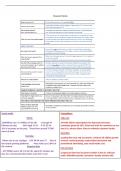
Reported Speech
_____________________________________________
When we want to tell somebody else what another person said, we can use either direct
speech and reported speech. When we use direct speech, we use the same words but
use quotation marks, For example: Scott said, “I am coming to work. I will be late
because there is a lot of traffic now.”
When we use reported speech, we usually change the verbs, specific times, and
pronouns. For example: Scott said that he was coming to work. He said that he would
be late because there was a lot of traffic at that time.
Rules for Reported Speech
While changing direct speech into reported speech or vice-versa the following changes
occur:
1. Changes In Reporting Verb
Affirmative sentences: said, told (object), asserted, replied, assured, informed,
responded, whispered, alleged, believed, assumed, thought
Interrogative sentences: asked, enquired, wanted to know
Imperative sentences: ordered, begged, pleaded, implored, advised, demanded
2. Change Of Pronouns
Direct Speech: Johnny said, ‘I am playing.’
Indirect Speech: Johnny said that he was playing.
First-person generally changes to third person {depending upon the subject of the
reporting verb).
3. Change Of Tenses
Direct Speech Indirect Speech
Johnny said, ‘I like to play.’ Johnny said that he liked to play.
, Johnny said, ‘I am playing.’ Johnny said that he was playing.
Johnny said, ‘I have played this game.’ Johnny said that he had played that game.
Johnny said, ‘I have been playing this game.’ Johnny said that he had been playing that game.
Johnny said, ‘I played this game last week. ’ Johnny said that he had played that game the previous
Johnny said, ‘I was playing this game when Mohan Johnny said that he had been/was playing that game w
came home.’ Mohan came home.
Johnny said, ‘I had played this game before you
Johnny said that he had played that game before he ca
came.’
Johnny said, ‘I will play this game.’ Johnny said that he would play that game.
In general, present tense becomes past tense; past tense and present perfect become
past perfect.
4. Change of situations
Example:
Nagesh said, ‘I read this book last week. (direct speech)
Nagesh said that he had read that book the previous week, (indirect speech)
• ‘this’ becomes ‘that’
• ‘last week’ becomes ‘the previous week’
• here – there
• now – then
_____________________________________________
When we want to tell somebody else what another person said, we can use either direct
speech and reported speech. When we use direct speech, we use the same words but
use quotation marks, For example: Scott said, “I am coming to work. I will be late
because there is a lot of traffic now.”
When we use reported speech, we usually change the verbs, specific times, and
pronouns. For example: Scott said that he was coming to work. He said that he would
be late because there was a lot of traffic at that time.
Rules for Reported Speech
While changing direct speech into reported speech or vice-versa the following changes
occur:
1. Changes In Reporting Verb
Affirmative sentences: said, told (object), asserted, replied, assured, informed,
responded, whispered, alleged, believed, assumed, thought
Interrogative sentences: asked, enquired, wanted to know
Imperative sentences: ordered, begged, pleaded, implored, advised, demanded
2. Change Of Pronouns
Direct Speech: Johnny said, ‘I am playing.’
Indirect Speech: Johnny said that he was playing.
First-person generally changes to third person {depending upon the subject of the
reporting verb).
3. Change Of Tenses
Direct Speech Indirect Speech
Johnny said, ‘I like to play.’ Johnny said that he liked to play.
, Johnny said, ‘I am playing.’ Johnny said that he was playing.
Johnny said, ‘I have played this game.’ Johnny said that he had played that game.
Johnny said, ‘I have been playing this game.’ Johnny said that he had been playing that game.
Johnny said, ‘I played this game last week. ’ Johnny said that he had played that game the previous
Johnny said, ‘I was playing this game when Mohan Johnny said that he had been/was playing that game w
came home.’ Mohan came home.
Johnny said, ‘I had played this game before you
Johnny said that he had played that game before he ca
came.’
Johnny said, ‘I will play this game.’ Johnny said that he would play that game.
In general, present tense becomes past tense; past tense and present perfect become
past perfect.
4. Change of situations
Example:
Nagesh said, ‘I read this book last week. (direct speech)
Nagesh said that he had read that book the previous week, (indirect speech)
• ‘this’ becomes ‘that’
• ‘last week’ becomes ‘the previous week’
• here – there
• now – then