

Item B8
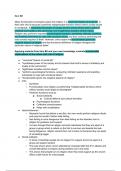
Many functionalist sociologists argue that religion is a ‘universal’ feature of social life. In
their view, this is because it performs indispensable function without which society would
to centigrade. It symbolises the power of society and it's shared rituals instil a sense of
solidarity and loyalty to the community, and it legitimizes society’s central values.
Religion also performs important psychological functions, answering ‘ultimate’ questions
and enabling individuals to cope with emotional stress and thus continue performing the
roles society requires of them. However, critics argue that functionalists ignore the
negative aspects of religion and that functional definitions of religion disregard the
particular nature of religious belief.
Applying material from Item B8 and your own knowledge, evaluate functionalist
explanations of the nature and role of religion.
● "‘universal’ feature of social life"
● "symbolises power of the society and its shared ritual instil a sense of solidarity and
loyalty to the community"
● "legitimises societies central values"
● "performs psychological functions, answering 'ultimate' questions and enabling
individuals to cope with emotional stress"
● "functionalists ignore the negative aspects of religion"
● Intro
○ Durkheim
○ Functionalists view religion as performing "indispensable functions which
without society would begin to disintegrate"
○ Performs functions such as
■ Social solidarity
■ Cultural defence and cultural transition
■ Psychological functions
■ Collective consciousness
■ Helps with socialisation
● Island fishermen
○ Research found that before a sea fish, the men would perform religious rituals
and pray but wouldn’t before lake fishing
○ Sea fishing is more dangerous than lake fishing so the islanders turn to
religion for guidance and support
○ It is also thought that the religion reminds individuals that they are apart of a
group (a group which is reliant on the fish to survive) and despite the task
being dangerous, religion remind them not to back out because they are apart
of something bigger
● Social solidarity
○ In times of hardship people turn to religion for support and to be apart of a
group and support system
○ This was shown when church attendance increased after the 9/11 attacks and
overall attendance increases during wartime (ww1 and ww2)
○ This shows that people turn to religion when they need support as the church
offers a safe haven for most people
Many functionalist sociologists argue that religion is a ‘universal’ feature of social life. In
their view, this is because it performs indispensable function without which society would
to centigrade. It symbolises the power of society and it's shared rituals instil a sense of
solidarity and loyalty to the community, and it legitimizes society’s central values.
Religion also performs important psychological functions, answering ‘ultimate’ questions
and enabling individuals to cope with emotional stress and thus continue performing the
roles society requires of them. However, critics argue that functionalists ignore the
negative aspects of religion and that functional definitions of religion disregard the
particular nature of religious belief.
Applying material from Item B8 and your own knowledge, evaluate functionalist
explanations of the nature and role of religion.
● "‘universal’ feature of social life"
● "symbolises power of the society and its shared ritual instil a sense of solidarity and
loyalty to the community"
● "legitimises societies central values"
● "performs psychological functions, answering 'ultimate' questions and enabling
individuals to cope with emotional stress"
● "functionalists ignore the negative aspects of religion"
● Intro
○ Durkheim
○ Functionalists view religion as performing "indispensable functions which
without society would begin to disintegrate"
○ Performs functions such as
■ Social solidarity
■ Cultural defence and cultural transition
■ Psychological functions
■ Collective consciousness
■ Helps with socialisation
● Island fishermen
○ Research found that before a sea fish, the men would perform religious rituals
and pray but wouldn’t before lake fishing
○ Sea fishing is more dangerous than lake fishing so the islanders turn to
religion for guidance and support
○ It is also thought that the religion reminds individuals that they are apart of a
group (a group which is reliant on the fish to survive) and despite the task
being dangerous, religion remind them not to back out because they are apart
of something bigger
● Social solidarity
○ In times of hardship people turn to religion for support and to be apart of a
group and support system
○ This was shown when church attendance increased after the 9/11 attacks and
overall attendance increases during wartime (ww1 and ww2)
○ This shows that people turn to religion when they need support as the church
offers a safe haven for most people


