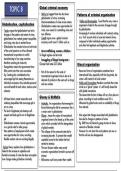
TOPIC 8 Global criminal economy
- Held et al suggest there has also been Patterns of criminal organisation
globalisation of crime, increasing
interconnectedness of crime across nations - Hobbs and Dunningham , found that the way crime is
Globalisation, capitalisation - Globalisation creates new opportunities for organised is linked to the economic changes brought
- Taylor argues that globalisation has led to crime, new means for committing crime and by globalisation
changes in the pattern and extent of crime, new offences - Increasingly it involves individuals with contracts acting
globalisation has created greater inequalities - Castell argues now a global criminal as a hub around which a loose knit network forms,
and rising crime due to market forces. economy worth over £1 trillion such as : composed of other individuals seeking opportunities
- Globalisation has created crime on both ends and often link legitimate and illegitimate activities
of the social spectrum as it has allowed - Arms traf cking, women, children ;
transnational corporations to switch To illegal regimes and terrorists
manufacturing to low wage countries - Smuggling of illegal immigrants ;
therefore creating job insecurity
- Deregulation means that government have
Chinese triad make $2.5 billion Glocal organisation
little control over their own economies - Part of the reason for the scale of - these new forms of organisation sometimes have
- Eg. Creating jobs, marketisation has transnational organised crime is due to its international links, especially with the drug trade, but
encouraged ppl into seeing themselves as demand of products in the west such as drugs crime is still rooted in its local context
individual consumers, they calculate personal and sex workers
- Hobbs and Dunningham therefore conclude that crime
cost and bene t of each action, reduce social works as a glocal system - it is still locally based but
cohesion with global connections
- This means that the form it takes will vary from place to
- All these factors create insecurities and Glenny & McMafia place, according to local conditions even if it is
widening inequalities that encourage ppl to - McMa a , the organisations that emerged in in uenced by global actors such as availability of drugs
turn to crime Russia following the fall of communism, this is from abroad.
- The lack of legitimate jobs destroys self - a major actor in globalisation
respect and leads ppl to turn to illegitimate - Glenny , traces the origins of transnational - Also argue that changes associated with globalisation
job organised crime to the break up of the soviet have led to changes in patterns of crime
- Globalisation creates criminal opportunities union which coincided with the deregulation - Eg. Shift from old hierarchy gang structure to loose
on a grand scale for elite groups of global markets networks of exible criminals
- New patterns of employment which create - The collapse of the communist state led to - However it is not clear that such patterns are new or
new opportunities for crime, recruiting increasing disorder. To protect their wealth that the old one has disappeared.
exible workers who are working illegally capitalists turned to the ma as that had
started to develop
- Taylors theory explains how globalisation is - The new Russian ma as were purely
linked to the increase in capitalism and economic organisations formed to pursue self
therefore increase of crime but does not explain interest
how changes make ppl behave criminally - Billionaires could now protect their wealth.
fl fl ‘ fi ’ fi
‘ fl fi
’ fi fi
- Held et al suggest there has also been Patterns of criminal organisation
globalisation of crime, increasing
interconnectedness of crime across nations - Hobbs and Dunningham , found that the way crime is
Globalisation, capitalisation - Globalisation creates new opportunities for organised is linked to the economic changes brought
- Taylor argues that globalisation has led to crime, new means for committing crime and by globalisation
changes in the pattern and extent of crime, new offences - Increasingly it involves individuals with contracts acting
globalisation has created greater inequalities - Castell argues now a global criminal as a hub around which a loose knit network forms,
and rising crime due to market forces. economy worth over £1 trillion such as : composed of other individuals seeking opportunities
- Globalisation has created crime on both ends and often link legitimate and illegitimate activities
of the social spectrum as it has allowed - Arms traf cking, women, children ;
transnational corporations to switch To illegal regimes and terrorists
manufacturing to low wage countries - Smuggling of illegal immigrants ;
therefore creating job insecurity
- Deregulation means that government have
Chinese triad make $2.5 billion Glocal organisation
little control over their own economies - Part of the reason for the scale of - these new forms of organisation sometimes have
- Eg. Creating jobs, marketisation has transnational organised crime is due to its international links, especially with the drug trade, but
encouraged ppl into seeing themselves as demand of products in the west such as drugs crime is still rooted in its local context
individual consumers, they calculate personal and sex workers
- Hobbs and Dunningham therefore conclude that crime
cost and bene t of each action, reduce social works as a glocal system - it is still locally based but
cohesion with global connections
- This means that the form it takes will vary from place to
- All these factors create insecurities and Glenny & McMafia place, according to local conditions even if it is
widening inequalities that encourage ppl to - McMa a , the organisations that emerged in in uenced by global actors such as availability of drugs
turn to crime Russia following the fall of communism, this is from abroad.
- The lack of legitimate jobs destroys self - a major actor in globalisation
respect and leads ppl to turn to illegitimate - Glenny , traces the origins of transnational - Also argue that changes associated with globalisation
job organised crime to the break up of the soviet have led to changes in patterns of crime
- Globalisation creates criminal opportunities union which coincided with the deregulation - Eg. Shift from old hierarchy gang structure to loose
on a grand scale for elite groups of global markets networks of exible criminals
- New patterns of employment which create - The collapse of the communist state led to - However it is not clear that such patterns are new or
new opportunities for crime, recruiting increasing disorder. To protect their wealth that the old one has disappeared.
exible workers who are working illegally capitalists turned to the ma as that had
started to develop
- Taylors theory explains how globalisation is - The new Russian ma as were purely
linked to the increase in capitalism and economic organisations formed to pursue self
therefore increase of crime but does not explain interest
how changes make ppl behave criminally - Billionaires could now protect their wealth.
fl fl ‘ fi ’ fi
‘ fl fi
’ fi fi