

Unit 12 Assignment B
I am working as a volunteer for a national/international charity that provides support to people suffering from
the effects of armed conflicts, natural disasters, or epidemics. The charity runs long-term projects to tackle
global health crises. My role as a volunteer is to gather information regarding the causes and transmission of
infectious diseases and the methods that will be used in order to combat the spread of these diseases to
inform the charity’s publications, newsletters, and blogs. I will then use my research to produce a range of
public information materials in order to raise awareness of the charity’s work.
What does Direct methods of Transmission mean?
Direct methods of transmission are those that allow diseases or infections to spread directly that is, without
the need of external factors from one person, organism, or source to another. Person-to-person contact, such
as respiratory droplets, bodily fluids, or physical touch, can play a role in the transmission of diseases.
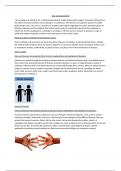
Direct contact
How can Diseases be spread by Direct Contact, explanations and examples of diseases?
Diseases can spread through direct physical contact between an infected individuals and a susceptible person.
This contact may lead to the spread of illnesses (caused by bacteria, viruses, or fungi) through a variety of
pathways. Influenza (Flu) is one illness that can be contracted through direct contact. When an infected person
coughs or sneezes close to another, respiratory droplets can be released into the air, spreading the illness.
Fever, chills, runny or stuffy nose, cough, sore throat, body aches, headache, and/or exhaustion are some of
the symptoms of influenza.
Human to human
How can Diseases be spread by Human-to-Human Contact, explanations and examples of diseases?
Human-to-human transmission of diseases can occur through a variety of pathways, such as direct contact,
respiratory droplets, body fluids, and more. I will now give some examples of the different diseases that can
spread from person to person. Direct skin-to-skin contact can spread diseases like scabies, which is a
contagious skin disease caused by an itch mite. Scabies can cause symptoms such as Itching, Rashes, Sores and
Thick crust on skin. To prevent the spread of scabies, immunisations, good hygiene practises, and the
application of infection control practises in clinical and community settings are commonly required.
I am working as a volunteer for a national/international charity that provides support to people suffering from
the effects of armed conflicts, natural disasters, or epidemics. The charity runs long-term projects to tackle
global health crises. My role as a volunteer is to gather information regarding the causes and transmission of
infectious diseases and the methods that will be used in order to combat the spread of these diseases to
inform the charity’s publications, newsletters, and blogs. I will then use my research to produce a range of
public information materials in order to raise awareness of the charity’s work.
What does Direct methods of Transmission mean?
Direct methods of transmission are those that allow diseases or infections to spread directly that is, without
the need of external factors from one person, organism, or source to another. Person-to-person contact, such
as respiratory droplets, bodily fluids, or physical touch, can play a role in the transmission of diseases.
Direct contact
How can Diseases be spread by Direct Contact, explanations and examples of diseases?
Diseases can spread through direct physical contact between an infected individuals and a susceptible person.
This contact may lead to the spread of illnesses (caused by bacteria, viruses, or fungi) through a variety of
pathways. Influenza (Flu) is one illness that can be contracted through direct contact. When an infected person
coughs or sneezes close to another, respiratory droplets can be released into the air, spreading the illness.
Fever, chills, runny or stuffy nose, cough, sore throat, body aches, headache, and/or exhaustion are some of
the symptoms of influenza.
Human to human
How can Diseases be spread by Human-to-Human Contact, explanations and examples of diseases?
Human-to-human transmission of diseases can occur through a variety of pathways, such as direct contact,
respiratory droplets, body fluids, and more. I will now give some examples of the different diseases that can
spread from person to person. Direct skin-to-skin contact can spread diseases like scabies, which is a
contagious skin disease caused by an itch mite. Scabies can cause symptoms such as Itching, Rashes, Sores and
Thick crust on skin. To prevent the spread of scabies, immunisations, good hygiene practises, and the
application of infection control practises in clinical and community settings are commonly required.


