

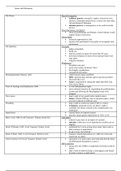
James and Parliament
His Power Royal Prerogative
ordinary powers- monarch’s right to choose his own
advisers, command armed forces, oversee law and order,
call and dismiss Parliament
absolute powers- in emergencies so he could override
the law
Royal Supremacy in Church
chose all archbishops and bishops, where bishops would
support King in local areas
Divine Right
monarchs appointed by God
anyone who questioned it was guilty of sin against God
and treason
His Qualities Strengths
judges reasonably
hated war
kept his country at peace for more than 20 years
prevented religious divisions from tearing Church and
state apart
religious tolerance
Weaknesses
discipline was poor
gives away money he doesn’t have
had lengthy explanations
caressed his favourites
Buckinghamshire Dispute 1604 clash between James and HOC
HOC- declared they had the right to put forward their
ideas and take over
James- responded by stating the rights that HOC had
were set by James
Form of Apology and Satisfaction 1606 set out Parliamentary rights
james defused situation by suspending the parliamentary
session and allowing the Buckingham issue to be
dropped
Purveyance king’s right to buy goods below market prices
James- offered £50k per year to end purveyance, which
was later reduced to £20k per year
Wardship king’s right to control an estate if left to a minor
Commons- proposed to buy out James’ right to
wardship, but James refused as the compensation was
inadequate
Impositions custom duties on imports/exports
speeches made against impositions in 1610, 1614
Bate’s Case 1606 {Lord Treasurer: Thomas Sackville} John Bates
refused to pay duty on an import of currants
outcome- whole new set of impositions could be set on
imports
Book Of Bounty 1608 {Lord Treasurer: Robert Cecil} prohibited the Crown giving away major items such as
land, customs or impositions
he gave away cash instead
Book of Rates 1608: {Lord Treasurer: Robert Cecil} treasurer created impositions on 1,400 new items and
raised rate on others
Great Contract 1610 Lord Treasurer: Robert Cecil} agreement over purveyance and ward-ship that the King
and Parliament attempted to come to
MP’s concerns
unsure how the £200k to compensate the King would be
raised
didn’t want to fund the King’s extravagance and feared
Scottish courtiers would benefit
His Power Royal Prerogative
ordinary powers- monarch’s right to choose his own
advisers, command armed forces, oversee law and order,
call and dismiss Parliament
absolute powers- in emergencies so he could override
the law
Royal Supremacy in Church
chose all archbishops and bishops, where bishops would
support King in local areas
Divine Right
monarchs appointed by God
anyone who questioned it was guilty of sin against God
and treason
His Qualities Strengths
judges reasonably
hated war
kept his country at peace for more than 20 years
prevented religious divisions from tearing Church and
state apart
religious tolerance
Weaknesses
discipline was poor
gives away money he doesn’t have
had lengthy explanations
caressed his favourites
Buckinghamshire Dispute 1604 clash between James and HOC
HOC- declared they had the right to put forward their
ideas and take over
James- responded by stating the rights that HOC had
were set by James
Form of Apology and Satisfaction 1606 set out Parliamentary rights
james defused situation by suspending the parliamentary
session and allowing the Buckingham issue to be
dropped
Purveyance king’s right to buy goods below market prices
James- offered £50k per year to end purveyance, which
was later reduced to £20k per year
Wardship king’s right to control an estate if left to a minor
Commons- proposed to buy out James’ right to
wardship, but James refused as the compensation was
inadequate
Impositions custom duties on imports/exports
speeches made against impositions in 1610, 1614
Bate’s Case 1606 {Lord Treasurer: Thomas Sackville} John Bates
refused to pay duty on an import of currants
outcome- whole new set of impositions could be set on
imports
Book Of Bounty 1608 {Lord Treasurer: Robert Cecil} prohibited the Crown giving away major items such as
land, customs or impositions
he gave away cash instead
Book of Rates 1608: {Lord Treasurer: Robert Cecil} treasurer created impositions on 1,400 new items and
raised rate on others
Great Contract 1610 Lord Treasurer: Robert Cecil} agreement over purveyance and ward-ship that the King
and Parliament attempted to come to
MP’s concerns
unsure how the £200k to compensate the King would be
raised
didn’t want to fund the King’s extravagance and feared
Scottish courtiers would benefit


