Social learning theory
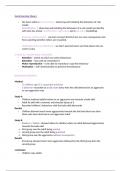
- We learn within a social context – observing and imitating the behaviour of role
model.
- Identification observing and imitating the behaviour of a role model we identity
with who has similar characteristics, high status and is attractive (modelling)
- Vicarious reinforcement – we learn not just directly from our own consequences but
from watching whether others are rewarded.
- Meditational process (Bandura) – we don’t passively learn we think about who we
want to copy
4 MENTAL/ MEDIATIONAL PRCOESSES
- Attention – extent to which we notice behaviours
- Retention – how well we remember it
- Motor reproduction – to be able to reproduce/ copy the behaviour
- Motivation – will/ determination to perform the behaviour
BANDURAS RESEARCH
Method
- 72 children aged 3-5, equal girls and boys
- 2 observers recorded on a tally chart every time the child behaved in an aggressive
or non-aggressive way
Study A
- Children watched adults behave in an aggressive way towards a bobo doll
- Adult hit doll with a hammer and shouted abuse at it
- Recorded children’s behaviour with the bobo doll afterwards
Results
- Children behaved much more aggressively towards the doll and other toys than
those who have observed a non-aggressive adult
Study B
- Bandura + Walters showed videos to children where an adult behaved aggressively
towards the bobo doll
first group saw the adult being praised
second group saw the adult being punished
third group saw the aggression without consequence
Results
- first group showed much more aggression followed by the third group then the
second group
conclusion
- children copy adults
- We learn within a social context – observing and imitating the behaviour of role
model.
- Identification observing and imitating the behaviour of a role model we identity
with who has similar characteristics, high status and is attractive (modelling)
- Vicarious reinforcement – we learn not just directly from our own consequences but
from watching whether others are rewarded.
- Meditational process (Bandura) – we don’t passively learn we think about who we
want to copy
4 MENTAL/ MEDIATIONAL PRCOESSES
- Attention – extent to which we notice behaviours
- Retention – how well we remember it
- Motor reproduction – to be able to reproduce/ copy the behaviour
- Motivation – will/ determination to perform the behaviour
BANDURAS RESEARCH
Method
- 72 children aged 3-5, equal girls and boys
- 2 observers recorded on a tally chart every time the child behaved in an aggressive
or non-aggressive way
Study A
- Children watched adults behave in an aggressive way towards a bobo doll
- Adult hit doll with a hammer and shouted abuse at it
- Recorded children’s behaviour with the bobo doll afterwards
Results
- Children behaved much more aggressively towards the doll and other toys than
those who have observed a non-aggressive adult
Study B
- Bandura + Walters showed videos to children where an adult behaved aggressively
towards the bobo doll
first group saw the adult being praised
second group saw the adult being punished
third group saw the aggression without consequence
Results
- first group showed much more aggression followed by the third group then the
second group
conclusion
- children copy adults