

Osman Yousuf – Unit 20 – Assignment 3
Cytology and Histology
Screening for Disease
Screening is a medical test for certain patients who have an increased risk to diseases by factors of
mainly age and sex but as well as others. Screening is done for those who do not show symptoms of
a disease or condition, but for an early detection and to identify likelihood of developing the disease.
Screening is considered to have a dual role. The first is where a diagnosis may be made for patients
who had screening and diagnostic tests to confirm the disease, having the screening enabled early
detection of the disease, thus not allowing the disease to progress rapidly and immediately starting
treatment. The second is the early treatment, which will allow for good and consistent quality of life
and lifestyle as it slows down disease progression before it negatively affects the body.
As screening can lead to early detection of
disease, screening has a great beneficial impact
on the NHS. According to an analysis by Cancer
Research UK, overall, 46% of cancers are
diagnosed at advanced stages (Stage 3 and
Stage 4). Table 3 shows the different costs of
treatments of a variety of cancers at different
stages. The clear pattern common with all
cancers shown is that as the stage of the cancer
progresses, the more costly the treatment is.
Nearly half of cancers being diagnosed at
advanced stages, shows it is costing the NHS
huge sums of money. When screening is
introduced, it has the aim of detecting disease
at early stage and thus the treatment will be
less costly for the NHS. In the long term,
screening could save the NHS in millions of
pounds. According to Incisive Health Report for
Cancer Research UK, the NHS could save over
44 million pounds each year for four different
cancers (ovarian, colon, rectal, and lung) if they were treated at early stages. And if it was applied
nationally for all types of cancers it could save nearly 210 million pounds annually. This emphasises
why screening is extremely important, for the patients health, and for the NHS in order to detect
diseases at early stages before it advances and costs more with a lower success or survival rate;
screening is cost-effective.
Source of Table – SCHARR and Frontier Economics (FE) (2009)
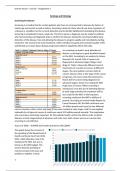
This graph shows the increase of
the spending of the Department of
Health and Social Care from 2010-
2025, which allocates most of its
funding to the NHS, this sum is
known as the NHS budget. The
trend is that the spending of
money increases each year and
predicts to stabilise. If early
1
, Osman Yousuf – Unit 20 – Assignment 3
diagnosis and treatment by way of screening programmes could save the NHS nearly £210 million if
applied nationally, this money could be used to further improve services, healthcare, and
infrastructure.
Source – TheKingsFund
The societal and economic impact of screening for early detection of disease and treatment holds
benefits such as ensuring individuals are healthy and productive members of the workforce by
minimising impact of conditions. Screening will allow for quicker and more effective treatment, thus
alleviating the symptoms or controlling the disease to the level where patients can go about their
normal lives and work, it prevents prolonged absences from work, and allows for a greater quality of
life, contributing to the overall well-being of communities. Screening allows for a reduced disease
burden on society, it will lower the number of patients with diseases at advanced stages and thus
diseases that are severe and disabilities will be less prevalent if screening was carried out by all in
societies.
There is screening and testing available for certain communicable and infectious diseases like HIV.
Early identification of communicable diseases via screening is also extremely important as it will
ensure patients are aware of a communicable disease they may have, and the dangers of going out
into public without treatment, or with the exemplified disease of HIV healthcare professionals would
be able to explain that they cannot exchange bodily fluids or allow another person to come in
contact with the bodily fluids of a patient with HIV without treatment. Screening is important here as
it would allow for identification of diseases early, thus protecting society from an outbreak occurring.
If screening and testing was not available, it would lead to more individuals going out into public and
spreading communicable diseases further until a big population of society have the disease. Not only
can communicable diseases like HIV affect one country but can spread globally across the world,
where it has now become an epidemic. For example, in the 1980s and early 1990s there was a HIV
epidemic where the virus was present, and huge populations was affected all across the United
States of America and eventually started spreading into the United Kingdom as well as other
countries and areas. This was in a time where there were less resources for screenings of diseases,
and there were no programmes in place. Whereas, with the introduction of screenings, diseases
have been identified early and thus treatment is early, eventually fully treating the disease or
controlling the disease. Therefore, in the long-term screening may help to control an outbreak of
communicable diseases and can be used to plan the prevention of an epidemic.
Patients who undergo screening may experience general distress, anxiety, or depression as well as
negative mental health. Screening can be scary for patients, which must be taken into consideration
by organisations and healthcare professionals. Some patients may deliberately not undergo
screening as they fear confirmation of diseases and dealing with diseases in life. If a disease is
indicated by screening and later confirmed and the disease is at early stages or treatable, the patient
may develop a different positive perspective where they can see that as the disease is at early stages,
the treatment is much more likely to be successful and effective, and thus patients can be at more
ease and worry less. Healthcare professionals will support patients through the whole journey from
screening to end of treatment.
The patient can also be put at ease knowing the cost of healthcare, diagnosis, treatment and testing
is all free with the NHS. However, going through private healthcare will not be free and the cost will
be dependent on the possible procedures, tests, treatment, and surgeries. This is there as an option,
so patients have a choice in what they feel is best for them. They should be aware of all the
advantages and disadvantages to make an informed decision.
2
Cytology and Histology
Screening for Disease
Screening is a medical test for certain patients who have an increased risk to diseases by factors of
mainly age and sex but as well as others. Screening is done for those who do not show symptoms of
a disease or condition, but for an early detection and to identify likelihood of developing the disease.
Screening is considered to have a dual role. The first is where a diagnosis may be made for patients
who had screening and diagnostic tests to confirm the disease, having the screening enabled early
detection of the disease, thus not allowing the disease to progress rapidly and immediately starting
treatment. The second is the early treatment, which will allow for good and consistent quality of life
and lifestyle as it slows down disease progression before it negatively affects the body.
As screening can lead to early detection of
disease, screening has a great beneficial impact
on the NHS. According to an analysis by Cancer
Research UK, overall, 46% of cancers are
diagnosed at advanced stages (Stage 3 and
Stage 4). Table 3 shows the different costs of
treatments of a variety of cancers at different
stages. The clear pattern common with all
cancers shown is that as the stage of the cancer
progresses, the more costly the treatment is.
Nearly half of cancers being diagnosed at
advanced stages, shows it is costing the NHS
huge sums of money. When screening is
introduced, it has the aim of detecting disease
at early stage and thus the treatment will be
less costly for the NHS. In the long term,
screening could save the NHS in millions of
pounds. According to Incisive Health Report for
Cancer Research UK, the NHS could save over
44 million pounds each year for four different
cancers (ovarian, colon, rectal, and lung) if they were treated at early stages. And if it was applied
nationally for all types of cancers it could save nearly 210 million pounds annually. This emphasises
why screening is extremely important, for the patients health, and for the NHS in order to detect
diseases at early stages before it advances and costs more with a lower success or survival rate;
screening is cost-effective.
Source of Table – SCHARR and Frontier Economics (FE) (2009)
This graph shows the increase of
the spending of the Department of
Health and Social Care from 2010-
2025, which allocates most of its
funding to the NHS, this sum is
known as the NHS budget. The
trend is that the spending of
money increases each year and
predicts to stabilise. If early
1
, Osman Yousuf – Unit 20 – Assignment 3
diagnosis and treatment by way of screening programmes could save the NHS nearly £210 million if
applied nationally, this money could be used to further improve services, healthcare, and
infrastructure.
Source – TheKingsFund
The societal and economic impact of screening for early detection of disease and treatment holds
benefits such as ensuring individuals are healthy and productive members of the workforce by
minimising impact of conditions. Screening will allow for quicker and more effective treatment, thus
alleviating the symptoms or controlling the disease to the level where patients can go about their
normal lives and work, it prevents prolonged absences from work, and allows for a greater quality of
life, contributing to the overall well-being of communities. Screening allows for a reduced disease
burden on society, it will lower the number of patients with diseases at advanced stages and thus
diseases that are severe and disabilities will be less prevalent if screening was carried out by all in
societies.
There is screening and testing available for certain communicable and infectious diseases like HIV.
Early identification of communicable diseases via screening is also extremely important as it will
ensure patients are aware of a communicable disease they may have, and the dangers of going out
into public without treatment, or with the exemplified disease of HIV healthcare professionals would
be able to explain that they cannot exchange bodily fluids or allow another person to come in
contact with the bodily fluids of a patient with HIV without treatment. Screening is important here as
it would allow for identification of diseases early, thus protecting society from an outbreak occurring.
If screening and testing was not available, it would lead to more individuals going out into public and
spreading communicable diseases further until a big population of society have the disease. Not only
can communicable diseases like HIV affect one country but can spread globally across the world,
where it has now become an epidemic. For example, in the 1980s and early 1990s there was a HIV
epidemic where the virus was present, and huge populations was affected all across the United
States of America and eventually started spreading into the United Kingdom as well as other
countries and areas. This was in a time where there were less resources for screenings of diseases,
and there were no programmes in place. Whereas, with the introduction of screenings, diseases
have been identified early and thus treatment is early, eventually fully treating the disease or
controlling the disease. Therefore, in the long-term screening may help to control an outbreak of
communicable diseases and can be used to plan the prevention of an epidemic.
Patients who undergo screening may experience general distress, anxiety, or depression as well as
negative mental health. Screening can be scary for patients, which must be taken into consideration
by organisations and healthcare professionals. Some patients may deliberately not undergo
screening as they fear confirmation of diseases and dealing with diseases in life. If a disease is
indicated by screening and later confirmed and the disease is at early stages or treatable, the patient
may develop a different positive perspective where they can see that as the disease is at early stages,
the treatment is much more likely to be successful and effective, and thus patients can be at more
ease and worry less. Healthcare professionals will support patients through the whole journey from
screening to end of treatment.
The patient can also be put at ease knowing the cost of healthcare, diagnosis, treatment and testing
is all free with the NHS. However, going through private healthcare will not be free and the cost will
be dependent on the possible procedures, tests, treatment, and surgeries. This is there as an option,
so patients have a choice in what they feel is best for them. They should be aware of all the
advantages and disadvantages to make an informed decision.
2


