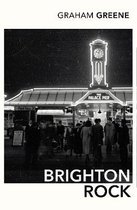
Brighton Rock - Context
Published in 1938 – Greene’s 9th novel
Literary
• World War I created a profound sense of crisis in English culture, and this became even more intense with the
worldwide economic collapse of the late 1920s and early ’30s, the rise of fascism, the Spanish Civil War (1936–
39), and the approach of another full-scale conflict in Europe. Much of the writing of the 1930s was bleak and
pessimistic
• Divisions of class and the burden of sexual repression became common and interrelated themes in the fiction of
the 1930s
Brighton
• There was a large amount of unemployment and homelessness in the 1930s
• In 1921, Brighton was the second most densely populated county borough in the country after West Ham and,
as a long-established town, a good deal of its housing was in worse condition than that of the London suburb.
• In the 1930s, Brighton was redoubling its efforts to house displaced slum dwellers however these increased
problems
Gang Violence
• The Brighton razor gangs were groups of razor-wielding youths involved in racketeering on the local racecourses
in the 1930s and 1940s
• Gang warfare, racketeering, welshing and protection – no not the Sopranos, but the more seedy and sordid
attractions of gangland Brighton in the inter-war years
• There is no evidence of any organised criminality in the town or a real underclass of criminals, but there was an
organised crime element at Brighton racecourse
• The racecourse had a racket which deserved the name ‘protection’ in true Mafia or Costa Nostra style, led by
the all-powerful Sabini gang
• If a bookmaker wanted a pitch, he had to pay the Sabinis.
• They engaged in loan sharking to people with bad gambling debts and looked after illegal bookies, providing
clerks and ticktack men who doubled as bodyguards. They fought off rival gangs to keep control of this
lucrative protection racket; so lucrative that the Sabinis could expect to make £4-5,000 per race meeting
• The gang’s trademark weapon was the barbershop razor
• The gang’s leader was Charles Sabini, commonly known as Darby, a criminal of mixed Italian and English
parentage
• He was born in an area known as London’s Little Italy and during the 1930s was said to be a permanent resident
in a penthouse apartment in Brighton’s Grand Hotel
• His Clerkenwell-based organisation, which at times boasted 300 members including imported Sicilian gunmen in
addition to local criminals, dominated the local underworld for nearly 20 years
• Sabini was, without doubt, physically intimidating, but his real power rested on extensive police and political
connections including judges, politicians and police officials. Police support was vital to him in his ongoing
conflicts with rival gangs
• Ultimately though, it was this rivalry between gangs that led to Darby Sabinis downfall
• Things started to go wrong in 1936 after a cut-throat attack on a member of a north London gang, the Whites,
at Liverpool Street Station. On 8 June, 30 members of the Whites arrived at Lewes racecourse and took their
revenge on bookmaker Arthur Solomons and his clerk. (This was the incident that provided the inspiration for the
racecourse battle in Brighton Rock.) Then along came the East End gangster Jack ‘Spot’ Comer who
challenged both the Whites and the Sabinis
• Sabini’s power was further eroded by bankruptcy, following a failed libel action against a newspaper, and
internment as an enemy alien, despite his mixed parentage, at the beginning of the Second World War. After
the war, his empire was taken over by the White family led by Alf White and subsequently by the organisations
of Billy Hill and Jack ‘Spot’. Sabini ended his days as a small-time bookmaker in Brighton and died in his home in
Hove in 1951
• He was immortalised as the gangster Colleoni in Greene’s Brighton Rock.
Women
• During this time women began to get jobs in increasing numbers in the civil service accounting for about a
quarter of all such posts by 1935, though these were mostly at clerical and administrative grades rather than the
technical and professional jobs which were still dominated by men
• Some improvement but still seen predominantly as housewives
Published in 1938 – Greene’s 9th novel
Literary
• World War I created a profound sense of crisis in English culture, and this became even more intense with the
worldwide economic collapse of the late 1920s and early ’30s, the rise of fascism, the Spanish Civil War (1936–
39), and the approach of another full-scale conflict in Europe. Much of the writing of the 1930s was bleak and
pessimistic
• Divisions of class and the burden of sexual repression became common and interrelated themes in the fiction of
the 1930s
Brighton
• There was a large amount of unemployment and homelessness in the 1930s
• In 1921, Brighton was the second most densely populated county borough in the country after West Ham and,
as a long-established town, a good deal of its housing was in worse condition than that of the London suburb.
• In the 1930s, Brighton was redoubling its efforts to house displaced slum dwellers however these increased
problems
Gang Violence
• The Brighton razor gangs were groups of razor-wielding youths involved in racketeering on the local racecourses
in the 1930s and 1940s
• Gang warfare, racketeering, welshing and protection – no not the Sopranos, but the more seedy and sordid
attractions of gangland Brighton in the inter-war years
• There is no evidence of any organised criminality in the town or a real underclass of criminals, but there was an
organised crime element at Brighton racecourse
• The racecourse had a racket which deserved the name ‘protection’ in true Mafia or Costa Nostra style, led by
the all-powerful Sabini gang
• If a bookmaker wanted a pitch, he had to pay the Sabinis.
• They engaged in loan sharking to people with bad gambling debts and looked after illegal bookies, providing
clerks and ticktack men who doubled as bodyguards. They fought off rival gangs to keep control of this
lucrative protection racket; so lucrative that the Sabinis could expect to make £4-5,000 per race meeting
• The gang’s trademark weapon was the barbershop razor
• The gang’s leader was Charles Sabini, commonly known as Darby, a criminal of mixed Italian and English
parentage
• He was born in an area known as London’s Little Italy and during the 1930s was said to be a permanent resident
in a penthouse apartment in Brighton’s Grand Hotel
• His Clerkenwell-based organisation, which at times boasted 300 members including imported Sicilian gunmen in
addition to local criminals, dominated the local underworld for nearly 20 years
• Sabini was, without doubt, physically intimidating, but his real power rested on extensive police and political
connections including judges, politicians and police officials. Police support was vital to him in his ongoing
conflicts with rival gangs
• Ultimately though, it was this rivalry between gangs that led to Darby Sabinis downfall
• Things started to go wrong in 1936 after a cut-throat attack on a member of a north London gang, the Whites,
at Liverpool Street Station. On 8 June, 30 members of the Whites arrived at Lewes racecourse and took their
revenge on bookmaker Arthur Solomons and his clerk. (This was the incident that provided the inspiration for the
racecourse battle in Brighton Rock.) Then along came the East End gangster Jack ‘Spot’ Comer who
challenged both the Whites and the Sabinis
• Sabini’s power was further eroded by bankruptcy, following a failed libel action against a newspaper, and
internment as an enemy alien, despite his mixed parentage, at the beginning of the Second World War. After
the war, his empire was taken over by the White family led by Alf White and subsequently by the organisations
of Billy Hill and Jack ‘Spot’. Sabini ended his days as a small-time bookmaker in Brighton and died in his home in
Hove in 1951
• He was immortalised as the gangster Colleoni in Greene’s Brighton Rock.
Women
• During this time women began to get jobs in increasing numbers in the civil service accounting for about a
quarter of all such posts by 1935, though these were mostly at clerical and administrative grades rather than the
technical and professional jobs which were still dominated by men
• Some improvement but still seen predominantly as housewives