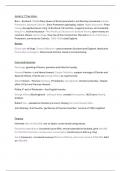
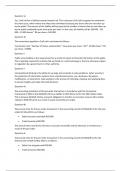
Elizabeth I: Poverty and Social Discontent
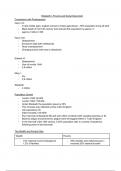
Comparison with Predecessors
Henry VII:
- In late middle ages, english economy mostly agricultural→ 95% population living off land
- Black death of mid-14th century had reduced the population by approx ⅓.
- approx 2 million 1450
Henry VIII:
- Debasement
- Enclosure dealt with ineffectively
- Rural unemployment
- Changing social order due to dissolution
-
Edward VI:
- Debasement
- Year of revolts 1549
- 2.9 million
Mary I:
- Flu
- 2.9 million
Elizabeth
- 4 million
Population Growth
- London 1520: 60,000
- London 1600: 150,000
- Under Elizabeth the population grew by 35%
- This increase was reflected across urban England
- Life expectancy 35
- Infant mortality 134/1000
- Poor harvests endangered life and were often combined with sweating sickness or flu
- Bubonic plague and pneumonic plague were the biggest killers in Tudor England
- In the first half of the 16th century, 5-25% population dies in a series of epidemics
following years of bad harvests
The Wealth and Poverty Gap
Wealth Poverty
- 14% national income belonged to - 50% families were labouring poor -
1.2% of families received 20% national income
, - Great lords owned 17% of all - 10% in countryside/20% in towns
cultivated land were in absolute poverty
- South east and london much richer - Popular perception that poverty was
- 23/25 richest towns were in the south increasing leading to gov legislation
- Richest 23% owned 55% taxable
wealth
- Increase in prosperity led to
unprecedented scale of building
Causes of Poverty
- Prices rose as more people moved to the cities. They weren’t producing food anymore, a
relied on a dwindling countryside population
- Food prices rose as a result of harvests not matching a rising population. Grain prices
(bread) rose quickest
- Wages did not rise as fast as prices as labour became cheaper with more people looking
for work .
- Rent prices for land increased and tenants had to pay entry fees when they took over
some land.
- Sheep farming increased, as 80% of Elizabethan exports was wool. However, sheep
flocks were often over 2000, only affordable to the richest and ate a huge amount of
crops – at a time of rising grain prices.
- Enclosure of land (fencing it off) effected the poorest as the richest fenced of common
land. Also, less labour was needed with more efficient methods therefore leading to
more unemployment.
- Flood of Spanish silver, from the new world, which increased the supply of money
→inflation in 1590s
- Rise in government costs resulting from war with Spain and rebellion in Ireland
- Lack of support for impoverished people due to dissolution
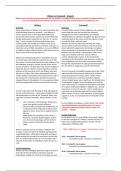
Important Legislation
Social Legislation
1563
Act Details Significance
Act of - All land which had been - Against depopulation
Maintaining under tillage for 4 years - Gov fear over number of tenants
Tillage since 1528 must remain so available for military service
- No land currently under
tillage could be converted
to pasture
Statute of - Attempt to regulate industry - Recognised right to work
Artificers and agriculture - Focused on young, single,
- Fixed max not min wage full-time labourers
Comparison with Predecessors
Henry VII:
- In late middle ages, english economy mostly agricultural→ 95% population living off land
- Black death of mid-14th century had reduced the population by approx ⅓.
- approx 2 million 1450
Henry VIII:
- Debasement
- Enclosure dealt with ineffectively
- Rural unemployment
- Changing social order due to dissolution
-
Edward VI:
- Debasement
- Year of revolts 1549
- 2.9 million
Mary I:
- Flu
- 2.9 million
Elizabeth
- 4 million
Population Growth
- London 1520: 60,000
- London 1600: 150,000
- Under Elizabeth the population grew by 35%
- This increase was reflected across urban England
- Life expectancy 35
- Infant mortality 134/1000
- Poor harvests endangered life and were often combined with sweating sickness or flu
- Bubonic plague and pneumonic plague were the biggest killers in Tudor England
- In the first half of the 16th century, 5-25% population dies in a series of epidemics
following years of bad harvests
The Wealth and Poverty Gap
Wealth Poverty
- 14% national income belonged to - 50% families were labouring poor -
1.2% of families received 20% national income
, - Great lords owned 17% of all - 10% in countryside/20% in towns
cultivated land were in absolute poverty
- South east and london much richer - Popular perception that poverty was
- 23/25 richest towns were in the south increasing leading to gov legislation
- Richest 23% owned 55% taxable
wealth
- Increase in prosperity led to
unprecedented scale of building
Causes of Poverty
- Prices rose as more people moved to the cities. They weren’t producing food anymore, a
relied on a dwindling countryside population
- Food prices rose as a result of harvests not matching a rising population. Grain prices
(bread) rose quickest
- Wages did not rise as fast as prices as labour became cheaper with more people looking
for work .
- Rent prices for land increased and tenants had to pay entry fees when they took over
some land.
- Sheep farming increased, as 80% of Elizabethan exports was wool. However, sheep
flocks were often over 2000, only affordable to the richest and ate a huge amount of
crops – at a time of rising grain prices.
- Enclosure of land (fencing it off) effected the poorest as the richest fenced of common
land. Also, less labour was needed with more efficient methods therefore leading to
more unemployment.
- Flood of Spanish silver, from the new world, which increased the supply of money
→inflation in 1590s
- Rise in government costs resulting from war with Spain and rebellion in Ireland
- Lack of support for impoverished people due to dissolution
Important Legislation
Social Legislation
1563
Act Details Significance
Act of - All land which had been - Against depopulation
Maintaining under tillage for 4 years - Gov fear over number of tenants
Tillage since 1528 must remain so available for military service
- No land currently under
tillage could be converted
to pasture
Statute of - Attempt to regulate industry - Recognised right to work
Artificers and agriculture - Focused on young, single,
- Fixed max not min wage full-time labourers