

ATTACHMENT
Topic Name(s) Research
Caregiver - infant Meltzo and Moore Imitation of facial expression
Interactions Infants between - days had an experimenter display
facial gestures like tongue out and manual gestures like
hands opening
Infants imitated experimenter
Ability to observe is active in early ages
Way to develop attachment
Interactional Cosdon and Sander Did a frame by frame analysis of mother-infant
synchrony interactions and found clear evidence of turn taking
Reciprocity Brazelton ‘Frozen face’ - infant become distressed if mother stops
reciprocating with them and adopts passive face
Caregiver - infant Papousek et al Cultural research
Interactions Showed tendency to produce high pitched baby talk as
common across American, Chinese and German mothers
Caregiver infant interactions are not culturally bias and
are innate behaviours
Generalised to larger population
Caregiver - infant Gratier Studies involving interaction between mother and child
Interactions known to have same patterns of interaction
What's being observed is hand movement and face
Hard to know what is actually happening when
observing infants
Scha ers stages of Scha er babies from working class families
attachment Babies and mothers were visited at home once a month
for a year and told to report babies protest in separation
situations (leaving room/stranger)
Found: - weeks, % of infants showed separation
anxiety towards particular adult
Attachment mainly to adult whose most responsive
weeks, specific attachment
Scha ers stages of Carpenter Infants younger than weeks wear able to distinguish
attachment mothers face and voice going against Scha ers view that
this didn't happen until later
Scha ers stages of // Fathers have shown to have a role in development of
attachment attachment showing support for idea of multiple
attachments rather than one
Role of the father Geiger Fathers serve di erent purpose to mothers
By Rhea M.
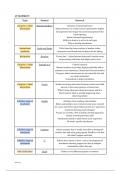
Topic Name(s) Research
Caregiver - infant Meltzo and Moore Imitation of facial expression
Interactions Infants between - days had an experimenter display
facial gestures like tongue out and manual gestures like
hands opening
Infants imitated experimenter
Ability to observe is active in early ages
Way to develop attachment
Interactional Cosdon and Sander Did a frame by frame analysis of mother-infant
synchrony interactions and found clear evidence of turn taking
Reciprocity Brazelton ‘Frozen face’ - infant become distressed if mother stops
reciprocating with them and adopts passive face
Caregiver - infant Papousek et al Cultural research
Interactions Showed tendency to produce high pitched baby talk as
common across American, Chinese and German mothers
Caregiver infant interactions are not culturally bias and
are innate behaviours
Generalised to larger population
Caregiver - infant Gratier Studies involving interaction between mother and child
Interactions known to have same patterns of interaction
What's being observed is hand movement and face
Hard to know what is actually happening when
observing infants
Scha ers stages of Scha er babies from working class families
attachment Babies and mothers were visited at home once a month
for a year and told to report babies protest in separation
situations (leaving room/stranger)
Found: - weeks, % of infants showed separation
anxiety towards particular adult
Attachment mainly to adult whose most responsive
weeks, specific attachment
Scha ers stages of Carpenter Infants younger than weeks wear able to distinguish
attachment mothers face and voice going against Scha ers view that
this didn't happen until later
Scha ers stages of // Fathers have shown to have a role in development of
attachment attachment showing support for idea of multiple
attachments rather than one
Role of the father Geiger Fathers serve di erent purpose to mothers
By Rhea M.


