Theories
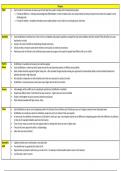
Hayes • Said in order for meritocracies to measure up to their ideals they need to comply with 2 fundamental principles
→ Principle of difference - individuals acknowledge that differentiation in merit and talent exists, must accept natural hierarchy and system must match most capable to most
challenging tasks
→ Principle of mobility – competitive selection process enables people to rise and fall such as through exams, interviews
Durkheim • Social stratification is beneficial since it sets a limit on competition and people’s aspirations so people don’t get overly ambitious and then resentful if they fail which can cause
dysfunction in society
• Society is fair since it benefits the hardworking through meritocracy
• Schools are like a miniature society which reinforces norms/values to create value consensus
• Meritocracy does not threaten social solidarity because people can progress and accept that people have different skills so no conflict
Davis & • Stratification in inevitable and necessary to incentivise people
Moore • Social stratification is a device by which society ensures the most important positions are filled by most qualified
• Most suitable should be assigned to highest status jobs – often achieved through education where given opportunity to demonstrate ability and most talented allocated into
pathways that lead to high status jobs
• Role allocation is dependent on skill and ability and all roles are necessary for society to function
• Stratification is necessary because certain jobs require higher level of skill such as doctor
Parsons • Acknowledges will be conflict due to competing for positions but stratification is inevitable
• People have different levels of commitment to value consensus – higher status are more committed
• Society is held together by value consensus (shared norms/values)
• Most talented rewarded with high incomes, status
Tumin • Said stratification by nature cannot adequately perform the functions Davis and Moore said it did because you can’t categorise based on how hard people work
• Stratification can actually be a barrier to motivation, people may not try to achieve if they see inequality
• In many cases, the usefulness and importance of a job doesn’t match up to pay – pay inequality may be due to differences in bargaining power rather than differences in usefulness
in their job, for example footballers paid more than doctors
• Those in lower strata can never have same opportunities for realising their talents as those in higher strata
• They lack the same opportunity which is a disadvantage
• About who you know (contacts)
Marshall & • Capitalist societies not as meritocratic as new right claim
Swift • Free market does not guarantee fair chance for all
• Opportunities vary based on what class you are born into – for example, inherited wealth makes it easier to start business
• Luck also plays a part in success
Hayes • Said in order for meritocracies to measure up to their ideals they need to comply with 2 fundamental principles
→ Principle of difference - individuals acknowledge that differentiation in merit and talent exists, must accept natural hierarchy and system must match most capable to most
challenging tasks
→ Principle of mobility – competitive selection process enables people to rise and fall such as through exams, interviews
Durkheim • Social stratification is beneficial since it sets a limit on competition and people’s aspirations so people don’t get overly ambitious and then resentful if they fail which can cause
dysfunction in society
• Society is fair since it benefits the hardworking through meritocracy
• Schools are like a miniature society which reinforces norms/values to create value consensus
• Meritocracy does not threaten social solidarity because people can progress and accept that people have different skills so no conflict
Davis & • Stratification in inevitable and necessary to incentivise people
Moore • Social stratification is a device by which society ensures the most important positions are filled by most qualified
• Most suitable should be assigned to highest status jobs – often achieved through education where given opportunity to demonstrate ability and most talented allocated into
pathways that lead to high status jobs
• Role allocation is dependent on skill and ability and all roles are necessary for society to function
• Stratification is necessary because certain jobs require higher level of skill such as doctor
Parsons • Acknowledges will be conflict due to competing for positions but stratification is inevitable
• People have different levels of commitment to value consensus – higher status are more committed
• Society is held together by value consensus (shared norms/values)
• Most talented rewarded with high incomes, status
Tumin • Said stratification by nature cannot adequately perform the functions Davis and Moore said it did because you can’t categorise based on how hard people work
• Stratification can actually be a barrier to motivation, people may not try to achieve if they see inequality
• In many cases, the usefulness and importance of a job doesn’t match up to pay – pay inequality may be due to differences in bargaining power rather than differences in usefulness
in their job, for example footballers paid more than doctors
• Those in lower strata can never have same opportunities for realising their talents as those in higher strata
• They lack the same opportunity which is a disadvantage
• About who you know (contacts)
Marshall & • Capitalist societies not as meritocratic as new right claim
Swift • Free market does not guarantee fair chance for all
• Opportunities vary based on what class you are born into – for example, inherited wealth makes it easier to start business
• Luck also plays a part in success