AQA A-level Economics Micro Paper 1 Topic List
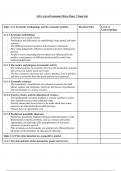
Topic: 3.1.1 Economic methodology and the economic problem Revision Notes Level of
Understanding
3.1.1.1 Economic methodology
- Economics as a social science.
- Similarities and differences in methodology from natural and other
sciences.
- The difference between positive and normative statements.
- How value judgements influence economics decision making and
policies.
- People's views concerning the best option are influenced by the
positive consequences of different decision and by moral and
political judgements.
3.1.1.2 The nature and purpose of economic activity
- The central purpose of economic activity is the production of goods
and services to satisfy needs and wants.
- The key economics decisions are: what to produce, how to produce
and who is to benefit from the goods and services produced.
3.1.1.3 Economic resources
- The economists’ classification of economic resources into land,
labour, capital, and enterprise, which are the factors of production.
- The environment is a scarce resource.
3.1.1.4 Scarcity, choice, and the allocation of resource
- The fundamental economic problem is scarcity and that it results
from limited resources and unlimited wants.
- Scarcity means that choices have to be made about how scarce
resources are allocated between different uses.
- Choices have an opportunity cost.
3.1.1.5 Production possibility diagrams
- Production possibility diagrams illustrate different features of the
fundamental economic problem, such as: resource allocation,
opportunity cost and trade-offs, unemployment of economic
resources, economic growth.
- Why all points on the boundary are productively efficient but not
all points on the boundary are allocatively efficient.
Topic 3.1.2 Price determination in a competitive market
3.1.2.1 The determinants of the demand for goods and services
, - The factors which determine the demand for a good or service.
- A demand curve shows the relationship between price and quantity
demands.
- The causes of shifts in the demand curve.
3.1.2.2 Price, income, and cross elasticity of demand
- Be able to calculate price, income, and cross elasticities of demand.
- The relationship between income elasticity of demand and normal
and inferior goods.
- The relationship between cross elasticity of demand and substitute
and complementary goods.
- The relationships between price elasticity of demand and firms’
total revenue (total expenditure).
- The factors that influence these elasticities of demand.
3.1.2.3 The determinants of the supply of goods and services
- The factors which determine the supply of a good or service.
- A supply curve shows the relationship between price and quantity
supplied.
- Understand higher prices imply higher profits and that this will
provide the incentive to expand production.
- The causes of shifts in the supply curve.
3.1.2.4 Price elasticity of supply
- Be able to calculate price elasticity of supply.
- The factors that influence price elasticity of supply.
3.1.2.5 The determination of equilibrium market prices
- How the interaction of demand and supply determines equilibrium
prices in a market economy.
- The difference between equilibrium and disequilibrium.
- Why excess demand and excess supply leads to changes in prices.
3.1.2.6 The interrelationship between markets
- Changes in a particular market are likely to affect other markets.
- The implication of joint demand, demand for substitute goods,
composite demand, derived demand, and joint supply.
Topic 3.1.3 Production, costs, and revenue
3.1.3.1 Production and productivity
- Production converts inputs, or the services of factors of production
such as capital and labour, into final output.
- The meaning of productivity, including labour productivity.
3.1.3.2 Specialisation, division of labour, and exchange
- The benefits of specialisation and division of labour.
Topic: 3.1.1 Economic methodology and the economic problem Revision Notes Level of
Understanding
3.1.1.1 Economic methodology
- Economics as a social science.
- Similarities and differences in methodology from natural and other
sciences.
- The difference between positive and normative statements.
- How value judgements influence economics decision making and
policies.
- People's views concerning the best option are influenced by the
positive consequences of different decision and by moral and
political judgements.
3.1.1.2 The nature and purpose of economic activity
- The central purpose of economic activity is the production of goods
and services to satisfy needs and wants.
- The key economics decisions are: what to produce, how to produce
and who is to benefit from the goods and services produced.
3.1.1.3 Economic resources
- The economists’ classification of economic resources into land,
labour, capital, and enterprise, which are the factors of production.
- The environment is a scarce resource.
3.1.1.4 Scarcity, choice, and the allocation of resource
- The fundamental economic problem is scarcity and that it results
from limited resources and unlimited wants.
- Scarcity means that choices have to be made about how scarce
resources are allocated between different uses.
- Choices have an opportunity cost.
3.1.1.5 Production possibility diagrams
- Production possibility diagrams illustrate different features of the
fundamental economic problem, such as: resource allocation,
opportunity cost and trade-offs, unemployment of economic
resources, economic growth.
- Why all points on the boundary are productively efficient but not
all points on the boundary are allocatively efficient.
Topic 3.1.2 Price determination in a competitive market
3.1.2.1 The determinants of the demand for goods and services
, - The factors which determine the demand for a good or service.
- A demand curve shows the relationship between price and quantity
demands.
- The causes of shifts in the demand curve.
3.1.2.2 Price, income, and cross elasticity of demand
- Be able to calculate price, income, and cross elasticities of demand.
- The relationship between income elasticity of demand and normal
and inferior goods.
- The relationship between cross elasticity of demand and substitute
and complementary goods.
- The relationships between price elasticity of demand and firms’
total revenue (total expenditure).
- The factors that influence these elasticities of demand.
3.1.2.3 The determinants of the supply of goods and services
- The factors which determine the supply of a good or service.
- A supply curve shows the relationship between price and quantity
supplied.
- Understand higher prices imply higher profits and that this will
provide the incentive to expand production.
- The causes of shifts in the supply curve.
3.1.2.4 Price elasticity of supply
- Be able to calculate price elasticity of supply.
- The factors that influence price elasticity of supply.
3.1.2.5 The determination of equilibrium market prices
- How the interaction of demand and supply determines equilibrium
prices in a market economy.
- The difference between equilibrium and disequilibrium.
- Why excess demand and excess supply leads to changes in prices.
3.1.2.6 The interrelationship between markets
- Changes in a particular market are likely to affect other markets.
- The implication of joint demand, demand for substitute goods,
composite demand, derived demand, and joint supply.
Topic 3.1.3 Production, costs, and revenue
3.1.3.1 Production and productivity
- Production converts inputs, or the services of factors of production
such as capital and labour, into final output.
- The meaning of productivity, including labour productivity.
3.1.3.2 Specialisation, division of labour, and exchange
- The benefits of specialisation and division of labour.