Romanian Orphan Studies- Effects of Institutionalisation
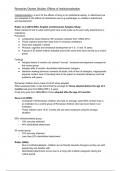
Institutionalisation- a term for the effects of living in an institutional setting. In attachment we
are interested in the effects of institutional care (e.g orphanage) on children’s attachment
and development.
Rutter et al (2010) ERA- English and Romanian Adoptee Study-
Rutter wanted to test to what extent good care could make up for poor early experiences in
institutions.
Procedure:
● Longitudinal study following 165 romanian orphans from 1990s-2010.
● These orphans spent their early lives in romanian institutions
● They were adopted in britain
● Physical, cognitive and emotional development at 4, 6, 11 and 15 years.
● A group of 52 british children adopted around the same time have served as a control
group.
Findings
● Adopted before 6 months old: showed “normal '' emotional development compared to
the control group.
● Adopted after 6 months: disinhibited attachments (clingier).
● Attention seeking behaviour towards all adults, lack of fear of strangers, inappropriate
physical contact, lack of checking back to the parent in stressful situations) and had
problems with peers.
Romanian children had a mean IQ of 63 when adopted
When assessed later, it was found that the average for those adopted before the age of 6
months had gone from 63 to 107 in 2 years.
It had only gone from 45 to 90 for those adopted after the age of 6 months.
Zena et al (2005)-
- Compared 136 Romanian children who had on average, spent 90% of their lives in
an institution to a control group of Romanian children who had never been in an
institution.
- These children were 12-31 months old and were assessed using the strange
situation.
95% institutionalised group:
- 19% securely attached
- 44% disinhibited attachment
50 control group:
- 74% securely attached
- Less than 20% disinhibited attachment.
Rutter (2006)-
- Due to institutionalisation, children are as friendly towards strangers as they are with
people they are familiar with.
- Disinhibited attachment occurs due to a living with multiple caregivers during the
critical period.
Institutionalisation- a term for the effects of living in an institutional setting. In attachment we
are interested in the effects of institutional care (e.g orphanage) on children’s attachment
and development.
Rutter et al (2010) ERA- English and Romanian Adoptee Study-
Rutter wanted to test to what extent good care could make up for poor early experiences in
institutions.
Procedure:
● Longitudinal study following 165 romanian orphans from 1990s-2010.
● These orphans spent their early lives in romanian institutions
● They were adopted in britain
● Physical, cognitive and emotional development at 4, 6, 11 and 15 years.
● A group of 52 british children adopted around the same time have served as a control
group.
Findings
● Adopted before 6 months old: showed “normal '' emotional development compared to
the control group.
● Adopted after 6 months: disinhibited attachments (clingier).
● Attention seeking behaviour towards all adults, lack of fear of strangers, inappropriate
physical contact, lack of checking back to the parent in stressful situations) and had
problems with peers.
Romanian children had a mean IQ of 63 when adopted
When assessed later, it was found that the average for those adopted before the age of 6
months had gone from 63 to 107 in 2 years.
It had only gone from 45 to 90 for those adopted after the age of 6 months.
Zena et al (2005)-
- Compared 136 Romanian children who had on average, spent 90% of their lives in
an institution to a control group of Romanian children who had never been in an
institution.
- These children were 12-31 months old and were assessed using the strange
situation.
95% institutionalised group:
- 19% securely attached
- 44% disinhibited attachment
50 control group:
- 74% securely attached
- Less than 20% disinhibited attachment.
Rutter (2006)-
- Due to institutionalisation, children are as friendly towards strangers as they are with
people they are familiar with.
- Disinhibited attachment occurs due to a living with multiple caregivers during the
critical period.