Explore how Woolf makes use of settings in the opening of the text.
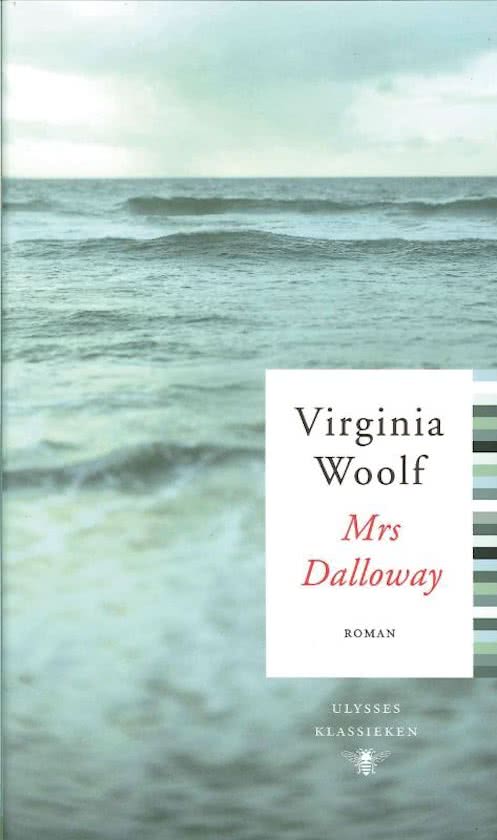
Throughout her 1920’s novel Mrs Dalloway, Virginia Woolf employs the dynamic setting of
London as a vehicle to critique traditional power structures. For Woolf, her use of the modernist
stream of consciousness narrative technique allows for the deep exploration of character's inner
lives, and for the exploration of social pressures and political ideas during 1920s post-war
Britain.
By juxtaposing moments of the past with the modern cityscape, Woolf highlights the evolving
power dynamics following WW1, criticising and satirising traditional authoritarian structures of
imperialism and patriarchy. The outset of the novel commences with the inaugural chimes of Big
Ben, a Proustian moment that echoes through time. Serving initially as a “warning, musical,”
and later as the announcement of the “hour, irrevocable,” time is rendered irreversible and
restricted to memory. The relentless progression of time and its authority over individual
experiences becomes exemplified, extending throughout the city. Big Ben’s audible presence
extends beyond Clarissa’s private world, evidenced through it “flooding her drawing room.”
Symbols of time invade the domestic space, akin to how patriarchy permeates and shapes the
private spheres of individuals,extending beyond the public realm. Just as the relentless ticking
of the clock regulates Clarissa's personal thoughts, the pervasive influence of patriarchy and
traditional structures extends into the very fabric of domestic life, dictating roles, expectations,
and the allocation of power within the confinement of private spaces. The convergence of
temporal control and ingrained societal structures illustrates the interconnectedness of time,
power, and the private setting in Woolf's narrative critique of 20th-century society. As Clarissa
shifts her focus to the car, describing how "at once they stood even straighter, and removed
their hands and seemed ready to attend the sovereign," the vehicle acts as a symbol instilling
feelings of duty, patriotism, and hope for social mobility. Elevated to a heavenly status, the car
becomes a metonym for meaning and authority, contributing to Woolf’s use of grandiose and
hyperbolic imagery. Exposing the absurdity of attributing the meaning of life to empty symbols of
authority, the satirisation of the supposed power held by tradition is exposed, challenging
expectations of modernity as a means to alleviate post-war anxieties. As critic Terry Eagleton
observes, “the impulse of masculine imperial authority is to clear away uncomfortable relics of
the war.” highlighting tensions between established power and the forces of change. Overall,
Woolf illustrates a society grounded in traditions, consisting of the royal hierarchy and the British
Empire. However, the rise of modernity following the cataclysmic reverberations of WW1 marks
a decline in its power.
Through Clarissa’s navigation of the city, Woolf’s use of free indirect discourse becomes a
means to reflect individual autonomy, showcasing Clarissa’s transgression of 20th century
gender roles that traditionally confined women to domestic spaces. Woolf's exploration of
female street-haunting symbolises shedding gender and class constraints, reflecting her early
feminist convictions. Despite possessing paradoxical traits such as being preoccupied with the
present yet haunted by the past and feeling empowered yet isolated by her marriage, Clarissa’s
internal conflict primarily centres around the idea that her independence is defined by her
Throughout her 1920’s novel Mrs Dalloway, Virginia Woolf employs the dynamic setting of
London as a vehicle to critique traditional power structures. For Woolf, her use of the modernist
stream of consciousness narrative technique allows for the deep exploration of character's inner
lives, and for the exploration of social pressures and political ideas during 1920s post-war
Britain.
By juxtaposing moments of the past with the modern cityscape, Woolf highlights the evolving
power dynamics following WW1, criticising and satirising traditional authoritarian structures of
imperialism and patriarchy. The outset of the novel commences with the inaugural chimes of Big
Ben, a Proustian moment that echoes through time. Serving initially as a “warning, musical,”
and later as the announcement of the “hour, irrevocable,” time is rendered irreversible and
restricted to memory. The relentless progression of time and its authority over individual
experiences becomes exemplified, extending throughout the city. Big Ben’s audible presence
extends beyond Clarissa’s private world, evidenced through it “flooding her drawing room.”
Symbols of time invade the domestic space, akin to how patriarchy permeates and shapes the
private spheres of individuals,extending beyond the public realm. Just as the relentless ticking
of the clock regulates Clarissa's personal thoughts, the pervasive influence of patriarchy and
traditional structures extends into the very fabric of domestic life, dictating roles, expectations,
and the allocation of power within the confinement of private spaces. The convergence of
temporal control and ingrained societal structures illustrates the interconnectedness of time,
power, and the private setting in Woolf's narrative critique of 20th-century society. As Clarissa
shifts her focus to the car, describing how "at once they stood even straighter, and removed
their hands and seemed ready to attend the sovereign," the vehicle acts as a symbol instilling
feelings of duty, patriotism, and hope for social mobility. Elevated to a heavenly status, the car
becomes a metonym for meaning and authority, contributing to Woolf’s use of grandiose and
hyperbolic imagery. Exposing the absurdity of attributing the meaning of life to empty symbols of
authority, the satirisation of the supposed power held by tradition is exposed, challenging
expectations of modernity as a means to alleviate post-war anxieties. As critic Terry Eagleton
observes, “the impulse of masculine imperial authority is to clear away uncomfortable relics of
the war.” highlighting tensions between established power and the forces of change. Overall,
Woolf illustrates a society grounded in traditions, consisting of the royal hierarchy and the British
Empire. However, the rise of modernity following the cataclysmic reverberations of WW1 marks
a decline in its power.
Through Clarissa’s navigation of the city, Woolf’s use of free indirect discourse becomes a
means to reflect individual autonomy, showcasing Clarissa’s transgression of 20th century
gender roles that traditionally confined women to domestic spaces. Woolf's exploration of
female street-haunting symbolises shedding gender and class constraints, reflecting her early
feminist convictions. Despite possessing paradoxical traits such as being preoccupied with the
present yet haunted by the past and feeling empowered yet isolated by her marriage, Clarissa’s
internal conflict primarily centres around the idea that her independence is defined by her