Hamlet AO5 Critics
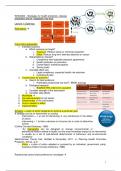
Themes
Indecision: Loyalty:
G H Clarke Leverenz
‘A tragedy of Inaction’ 'Hamlet's tragedy: forced triumph of filial duty over
C Gardener sensitivity to his own heart'
‘Hamlet's agony of mind and indecision differentiates him Belsey
from Laertes’ 'in excess of justice'
Meister Showalter
‘Driven by filial obligation not a desire for power’ Ophelia’s story’s dependence on Male characters
W Hazlitt represents the ‘repression of women both in tragedy and
‘because he[Hamlet] cannot have his revenge perfect … he real life’
declines it altogether’ Lee Edwards
Swinburne ‘Ophelia literally has no story without Hamlet’
‘strong conflux of contending forces’ Janet Adelman
Marowitz ‘we tend to see a woman more muddled than actively
‘paralysed intellectual’ wicked’
Death:
Religion, Politics & Corruption:
C S Lewis
Dollimore
“Hamlet is haunted, not by a physical fear of dying but of
‘Articulates a crisis in the decay of a traditional social order
being dead”
in England’
Grindlay
Knight
‘an independent act, a voluntary escape’
‘Hamlet is a figure of nihilism’
Leverenz ‘Hamlet is in fact the poison in the veins of the
‘a microcosm of the male worlds banishment of the community’
female’
Hunt
Amy Licence ‘A world … overwhelmed with corruption’
Ophelia’s clothes which drag her down represent the
Moriarity
civilisation which ‘destroys her’
‘A stagnant disease, with no cure, that inevitably leads to
G W Knight death: corruption’
'the ambassador of death'
Eagleton
'Death as a sort of relaxing tension'
'Every age constructs Shakespeare in its own image'
“the theme of Hamlet is death”
Comedy:
Davison Deception:
‘Humour is a determinant of Hamlet's nature, and key to Kozintsev
the tonal quality of the play as a whole’ ‘Ears the walls have’ (in Elsinore)
Snyder Drake
‘Comedy is "the ground from which or against which ‘Murderers are caught in their own toils’ (Claudius)
tragedy develops’
Smith
Hazlitt ‘is able to use her [Ophelia] as a bait for spying’ (Polonius)
‘He is the most amiable of misanthropes’ Woods
Barton ‘Artifice is essential to finding the truth’
‘Hamlet (is)... the only one of Shakespeare's tragic ‘Hamlet is a work obsessed with acting and deception’
protagonists...who possesses...a sense of humour’
, Madness: Women:
Johnson Bloom
‘Hamlet's madness is clearly feigned’ ‘women in Hamlet are a ‘sounding board’ for the action of
Freud male characters’
‘Hamlet's madness disguised the truth in the same way Leverenz
dreams disguise unconscious realities’ ‘Ophelia has no choice but to say ‘I shall obey, my lord.’
Nietzche Adelman
‘Hamlet thinks too deeply’ ‘we tend to see a woman more muddled than actively
Laing wicked’ (Gertrude)
‘In her madness, there is no one there. She is not a person. Leverenz
There is no integral selfhood’ 'microcosm of the male world's banishment of the female'
Peragine Amy Licence
‘Ophelia feigns madness in order to speak her mind more Ophelia’s clothes which drag her down represent the
freely’ civilisation which ‘destroys her’
Revenge and Honour: Appearances and Reality
Belsey Graves
‘Revenge is not justice. It is rather an act of injustice on Hamlet is 'in an endlessly ambiguous play'
behalf of justice’ Leverenz
‘In excess of justice’ ‘inconstancy....is also the sign of diseased doubleness’
‘Conscience … thus makes cowards of some revengers’ Charles
Hazlitt ‘no-one in this play knows or understands anyone else’
‘because he[Hamlet] cannot have his revenge perfect … he Bloom
declines it altogether’ ‘the hero-villain’
Bacon Woods
‘Revenge keeps his own wounds green, which otherwise ‘Artifice is essential to finding the truth’
would heal and do well’ Parsons
Freud ‘what appears to be and what actually is are constantly
‘He cannot kill Claudius because he identifies with him’ melding’
Characters
Hamlet:
Knight
Claudius:
"Hamlet is an element of evil in the state of Denmark"
G W Knight
Coleridge
"He is..a good and gentle king, enmeshed by the chain of
‘excess of intellect that overbalances contemplation in
causality linking him with his crime"
favour of action’
Stockton
Schlegel
‘clearly the antagonist’
‘deliberation is a pretext to cover cowardice’
L C Knights
Swinburne
‘slimy beast’
‘the strong conflux of contending forces’
Schofield
Johnson
‘Morally empty’
‘Hamlet is...rather an instrument than an agent’
Johnson
Cohen
‘everything...gives him occasion to drink’
‘Hamlet becomes disillusioned with the human condition
… and thus unable to act
Themes
Indecision: Loyalty:
G H Clarke Leverenz
‘A tragedy of Inaction’ 'Hamlet's tragedy: forced triumph of filial duty over
C Gardener sensitivity to his own heart'
‘Hamlet's agony of mind and indecision differentiates him Belsey
from Laertes’ 'in excess of justice'
Meister Showalter
‘Driven by filial obligation not a desire for power’ Ophelia’s story’s dependence on Male characters
W Hazlitt represents the ‘repression of women both in tragedy and
‘because he[Hamlet] cannot have his revenge perfect … he real life’
declines it altogether’ Lee Edwards
Swinburne ‘Ophelia literally has no story without Hamlet’
‘strong conflux of contending forces’ Janet Adelman
Marowitz ‘we tend to see a woman more muddled than actively
‘paralysed intellectual’ wicked’
Death:
Religion, Politics & Corruption:
C S Lewis
Dollimore
“Hamlet is haunted, not by a physical fear of dying but of
‘Articulates a crisis in the decay of a traditional social order
being dead”
in England’
Grindlay
Knight
‘an independent act, a voluntary escape’
‘Hamlet is a figure of nihilism’
Leverenz ‘Hamlet is in fact the poison in the veins of the
‘a microcosm of the male worlds banishment of the community’
female’
Hunt
Amy Licence ‘A world … overwhelmed with corruption’
Ophelia’s clothes which drag her down represent the
Moriarity
civilisation which ‘destroys her’
‘A stagnant disease, with no cure, that inevitably leads to
G W Knight death: corruption’
'the ambassador of death'
Eagleton
'Death as a sort of relaxing tension'
'Every age constructs Shakespeare in its own image'
“the theme of Hamlet is death”
Comedy:
Davison Deception:
‘Humour is a determinant of Hamlet's nature, and key to Kozintsev
the tonal quality of the play as a whole’ ‘Ears the walls have’ (in Elsinore)
Snyder Drake
‘Comedy is "the ground from which or against which ‘Murderers are caught in their own toils’ (Claudius)
tragedy develops’
Smith
Hazlitt ‘is able to use her [Ophelia] as a bait for spying’ (Polonius)
‘He is the most amiable of misanthropes’ Woods
Barton ‘Artifice is essential to finding the truth’
‘Hamlet (is)... the only one of Shakespeare's tragic ‘Hamlet is a work obsessed with acting and deception’
protagonists...who possesses...a sense of humour’
, Madness: Women:
Johnson Bloom
‘Hamlet's madness is clearly feigned’ ‘women in Hamlet are a ‘sounding board’ for the action of
Freud male characters’
‘Hamlet's madness disguised the truth in the same way Leverenz
dreams disguise unconscious realities’ ‘Ophelia has no choice but to say ‘I shall obey, my lord.’
Nietzche Adelman
‘Hamlet thinks too deeply’ ‘we tend to see a woman more muddled than actively
Laing wicked’ (Gertrude)
‘In her madness, there is no one there. She is not a person. Leverenz
There is no integral selfhood’ 'microcosm of the male world's banishment of the female'
Peragine Amy Licence
‘Ophelia feigns madness in order to speak her mind more Ophelia’s clothes which drag her down represent the
freely’ civilisation which ‘destroys her’
Revenge and Honour: Appearances and Reality
Belsey Graves
‘Revenge is not justice. It is rather an act of injustice on Hamlet is 'in an endlessly ambiguous play'
behalf of justice’ Leverenz
‘In excess of justice’ ‘inconstancy....is also the sign of diseased doubleness’
‘Conscience … thus makes cowards of some revengers’ Charles
Hazlitt ‘no-one in this play knows or understands anyone else’
‘because he[Hamlet] cannot have his revenge perfect … he Bloom
declines it altogether’ ‘the hero-villain’
Bacon Woods
‘Revenge keeps his own wounds green, which otherwise ‘Artifice is essential to finding the truth’
would heal and do well’ Parsons
Freud ‘what appears to be and what actually is are constantly
‘He cannot kill Claudius because he identifies with him’ melding’
Characters
Hamlet:
Knight
Claudius:
"Hamlet is an element of evil in the state of Denmark"
G W Knight
Coleridge
"He is..a good and gentle king, enmeshed by the chain of
‘excess of intellect that overbalances contemplation in
causality linking him with his crime"
favour of action’
Stockton
Schlegel
‘clearly the antagonist’
‘deliberation is a pretext to cover cowardice’
L C Knights
Swinburne
‘slimy beast’
‘the strong conflux of contending forces’
Schofield
Johnson
‘Morally empty’
‘Hamlet is...rather an instrument than an agent’
Johnson
Cohen
‘everything...gives him occasion to drink’
‘Hamlet becomes disillusioned with the human condition
… and thus unable to act