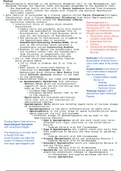
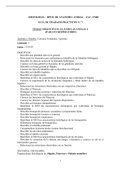
‘The Weimar constitution was not democratic nor did it provide the basis for stable
government’ Assess the validity of this statement
Intro - provide context about the constitution
Eg. enacted in 1919
Transition to democracy from the Kaiser’s system previously
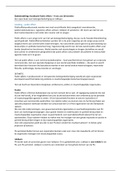
WASN’T DEMOCRATIC + DIDN’T PROVIDE WAS DEMOCRATIC + DID PROVIDE BASIS FOR
BASIS FOR STABLE GOVT STABLE GOVT
Proportional Representation Proportional Representation
- Virtually impossible to get a majority govt, - 1 Deputy per 60,000 votes - means that
coalitions eg. Grand Coalition had many every vote counts, feels more democratic for
partners and collapsed quickly (10 coalition people
govts from 1923-1932) - In theory the govt should reflect more of the
- Meant it was easier for small fringe parties country’s views by having more parties
eg Nazis to get elected = involved
Frequent govts = instability as no policies get to = created voter trust/ loyalty
develop properly and keep changing, slow,
stop/start.
Voters stop respecting/ trusting govt and the
democratic system
Role of President Role of President
- Can abuse powers with Article 48- passing - More democratic to have a President than a
laws without consulting Reichstag eg early Kaiser
1930s Hindenburg passed emergency - Election every 7 years means people can get
decrees which undermined Weimar rid of him if they want
- Can destabilise by calling an election/ - Doesn’t have absolute power - is meant to
appointing a bad Chancellor consult the Reichstag
- Too much control over the army? Figurehead of democracy= stability
Voters stop respecting/ trusting govt and the
democratic system
Don't trust Pres
Reichstag/ Reichsrat Reichstag/ Reichsrat
- Grey area if the Reichstag voted the budget - Some people would like the local autonomy,
down (highly plausible yet it's always meant it would suit some places eg. countryside and
to pass) city needs very different policies
- Local states could have contradictory
policies eg. education and policing due to
Landtag autonomy
Other Other
- Judiciary didn’t change so remain very right - New Independent Supreme Court
wing and biased, they didn’t favour the new - Freedom of Speech for people in the new Bill
Republic of Rights
- Army remained largely unreformed ( could
act against the Republic eg. refusal to put
down the Kapp Putsch)
- Extremists like Hitler had a right to speak
due to Freedom Bill of Rights -opposition
not prevented from criticising weimar=
citizens hear it and are influenced in
elections= instability
Conclusion - summarise argument and conclude that it wasn’t democratic and actively made the Republic
more unstable
government’ Assess the validity of this statement
Intro - provide context about the constitution
Eg. enacted in 1919
Transition to democracy from the Kaiser’s system previously
WASN’T DEMOCRATIC + DIDN’T PROVIDE WAS DEMOCRATIC + DID PROVIDE BASIS FOR
BASIS FOR STABLE GOVT STABLE GOVT
Proportional Representation Proportional Representation
- Virtually impossible to get a majority govt, - 1 Deputy per 60,000 votes - means that
coalitions eg. Grand Coalition had many every vote counts, feels more democratic for
partners and collapsed quickly (10 coalition people
govts from 1923-1932) - In theory the govt should reflect more of the
- Meant it was easier for small fringe parties country’s views by having more parties
eg Nazis to get elected = involved
Frequent govts = instability as no policies get to = created voter trust/ loyalty
develop properly and keep changing, slow,
stop/start.
Voters stop respecting/ trusting govt and the
democratic system
Role of President Role of President
- Can abuse powers with Article 48- passing - More democratic to have a President than a
laws without consulting Reichstag eg early Kaiser
1930s Hindenburg passed emergency - Election every 7 years means people can get
decrees which undermined Weimar rid of him if they want
- Can destabilise by calling an election/ - Doesn’t have absolute power - is meant to
appointing a bad Chancellor consult the Reichstag
- Too much control over the army? Figurehead of democracy= stability
Voters stop respecting/ trusting govt and the
democratic system
Don't trust Pres
Reichstag/ Reichsrat Reichstag/ Reichsrat
- Grey area if the Reichstag voted the budget - Some people would like the local autonomy,
down (highly plausible yet it's always meant it would suit some places eg. countryside and
to pass) city needs very different policies
- Local states could have contradictory
policies eg. education and policing due to
Landtag autonomy
Other Other
- Judiciary didn’t change so remain very right - New Independent Supreme Court
wing and biased, they didn’t favour the new - Freedom of Speech for people in the new Bill
Republic of Rights
- Army remained largely unreformed ( could
act against the Republic eg. refusal to put
down the Kapp Putsch)
- Extremists like Hitler had a right to speak
due to Freedom Bill of Rights -opposition
not prevented from criticising weimar=
citizens hear it and are influenced in
elections= instability
Conclusion - summarise argument and conclude that it wasn’t democratic and actively made the Republic
more unstable