Conscience
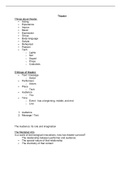
Topic Overview
Sociological Approach
- Kohlberg - 6 Stages of Moral Development
- Durkheim - Social Conditioning
- Fromm - Fear of Rejection from Society
- Evaluation
Psychological Approach
- Freud - Psychological Phenomena Derived from Unconscious Mind
- Evaluation
Religious Approach
- Augustine & Schleiermacher - Voice of God
- Aquinas - God-given Faculty of Reason
- Butler - Re ective Principle given by God
- Fletcher - Agape-love
Application of Approaches to Ethical Issues
- Lying and breaking promises
- Adultery
Evaluating Conscience as a Moral Guide
fl
, Conscience
Conscience
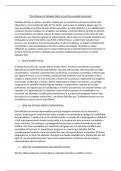
There is no universally accepted de nition of ‘conscience’. Here are some ideas:
- Inner conviction that something is right / wrong
- Linked to ideas of shame and guilt
- Regarded as intuitive, personal and internal
- Fundamental awareness we have of ourselves as thinking individuals
- Conscience vs moral values
Sociological Approach
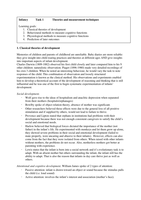
Kohlberg - 6 Stages of Moral Development (in 3 Levels)
Pre-Conventional
1. Understanding right and wrong through punishment and obedience
Conventional
2. Development of good interpersonal relationships
3. Decision to obey society’s rules and avoid guilt
Post-Conventional
4. Utilitarian recognition of con ict between the needs of society and the individual
5. Individual needs give way to bene t society as a whole
6. Individualised Conscience - guilt is felt when decisions made are not consistent or
universalisable
Example: Heinz Dilemma - husband cannot afford the drug need to save his dying wife
Stage 1 = do not steal drug - it is wrong and there is a risk of imprisonment
Stage 5 = steal - everybody has an equal right to treatment and life
Stage 6 = do not steal - theft is universally wrong
Criticism - Hume
1. Conscience = gut reaction / intuition not moral reasoning
2. ‘Reason should be the slave of the passions’
- rationally justify our gut reaction afterwards
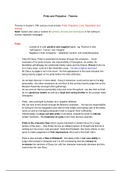
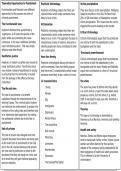
Durkheim - Social Conditioning
1. Conscience is formed as a result of sanctions the group brings to bear
2. ‘No conscience’ = socially maladjusted
3. God does not exist, but: the idea of God creates a sense of moral obligation to obey
society’s demands (idea of God serves a moral purpose)
Collective Conscience - an act is bad because society disapproves of it
Evolutionary Conscience - a survival mechanism: live and cooperate as part of a community
fl fifi
Topic Overview
Sociological Approach
- Kohlberg - 6 Stages of Moral Development
- Durkheim - Social Conditioning
- Fromm - Fear of Rejection from Society
- Evaluation
Psychological Approach
- Freud - Psychological Phenomena Derived from Unconscious Mind
- Evaluation
Religious Approach
- Augustine & Schleiermacher - Voice of God
- Aquinas - God-given Faculty of Reason
- Butler - Re ective Principle given by God
- Fletcher - Agape-love
Application of Approaches to Ethical Issues
- Lying and breaking promises
- Adultery
Evaluating Conscience as a Moral Guide
fl
, Conscience
Conscience
There is no universally accepted de nition of ‘conscience’. Here are some ideas:
- Inner conviction that something is right / wrong
- Linked to ideas of shame and guilt
- Regarded as intuitive, personal and internal
- Fundamental awareness we have of ourselves as thinking individuals
- Conscience vs moral values
Sociological Approach
Kohlberg - 6 Stages of Moral Development (in 3 Levels)
Pre-Conventional
1. Understanding right and wrong through punishment and obedience
Conventional
2. Development of good interpersonal relationships
3. Decision to obey society’s rules and avoid guilt
Post-Conventional
4. Utilitarian recognition of con ict between the needs of society and the individual
5. Individual needs give way to bene t society as a whole
6. Individualised Conscience - guilt is felt when decisions made are not consistent or
universalisable
Example: Heinz Dilemma - husband cannot afford the drug need to save his dying wife
Stage 1 = do not steal drug - it is wrong and there is a risk of imprisonment
Stage 5 = steal - everybody has an equal right to treatment and life
Stage 6 = do not steal - theft is universally wrong
Criticism - Hume
1. Conscience = gut reaction / intuition not moral reasoning
2. ‘Reason should be the slave of the passions’
- rationally justify our gut reaction afterwards
Durkheim - Social Conditioning
1. Conscience is formed as a result of sanctions the group brings to bear
2. ‘No conscience’ = socially maladjusted
3. God does not exist, but: the idea of God creates a sense of moral obligation to obey
society’s demands (idea of God serves a moral purpose)
Collective Conscience - an act is bad because society disapproves of it
Evolutionary Conscience - a survival mechanism: live and cooperate as part of a community
fl fifi