Feminist Theory
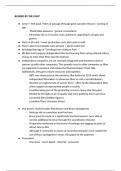
Principles -✔✔✔- The personal is political
- Personal & social identities are interdependent
- Commitment to social change
- Counseling relationship is egalitarian
- Women & girls experiences and ways of knowing are honored
- Definitions of distress & "mental illness" are reformulated
- There is an integrated analysis of oppression
Key Concepts -✔✔✔- Problems are viewed in a sociopolitcal & cultural context
- Acknowledging psychological oppression imposed through sociopolitical status of women and
minorities
- The client know what is best for her life and is the expert in her own life
- Emphasis is on educating clients about therapy process
- Traditional ways of assessing psychological health are challenged
- It is assumed that individual change will best occur through social change
- Clients are encouraged to take social action
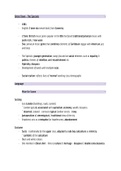
4 Approaches to Feminist Therapy -✔✔✔1) Liberal Feminism
2) Socialist Feminism
3) Radical Feminism
4) Cultural Feminism
Liberal Feminism -✔✔✔Focus
- Helping women overcome the limits and constraints of their socialization patterns
, Goals
- Personal empowerment of individual women
- Dignity
- Self-fulfillment
- Equality
Socialist Feminism -✔✔✔Focus
- Societal change
- Emphasis on multiple oppressions
- Believe solutions to society's problems must include consideration of: class, race, other forms of
discrimination
Goal
- To transform social relationships and institutions
Radical Feminism -✔✔✔Focus
- The oppression of woman that is embedded in patriarchy
- Seek to change society through activism
- Therapy is viewed as a political enterprise with the goal of transformation of society
Goals
- Transform gender relationships
- Transform societal institutions
- Increase women's sexual and procreative self-determination
Principles -✔✔✔- The personal is political
- Personal & social identities are interdependent
- Commitment to social change
- Counseling relationship is egalitarian
- Women & girls experiences and ways of knowing are honored
- Definitions of distress & "mental illness" are reformulated
- There is an integrated analysis of oppression
Key Concepts -✔✔✔- Problems are viewed in a sociopolitcal & cultural context
- Acknowledging psychological oppression imposed through sociopolitical status of women and
minorities
- The client know what is best for her life and is the expert in her own life
- Emphasis is on educating clients about therapy process
- Traditional ways of assessing psychological health are challenged
- It is assumed that individual change will best occur through social change
- Clients are encouraged to take social action
4 Approaches to Feminist Therapy -✔✔✔1) Liberal Feminism
2) Socialist Feminism
3) Radical Feminism
4) Cultural Feminism
Liberal Feminism -✔✔✔Focus
- Helping women overcome the limits and constraints of their socialization patterns
, Goals
- Personal empowerment of individual women
- Dignity
- Self-fulfillment
- Equality
Socialist Feminism -✔✔✔Focus
- Societal change
- Emphasis on multiple oppressions
- Believe solutions to society's problems must include consideration of: class, race, other forms of
discrimination
Goal
- To transform social relationships and institutions
Radical Feminism -✔✔✔Focus
- The oppression of woman that is embedded in patriarchy
- Seek to change society through activism
- Therapy is viewed as a political enterprise with the goal of transformation of society
Goals
- Transform gender relationships
- Transform societal institutions
- Increase women's sexual and procreative self-determination