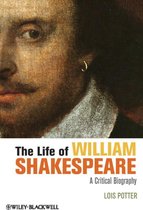
William Shakespeare: Master of the Human Experience
William Shakespeare, often hailed as the "Bard of Avon," stands as one of
the greatest literary figures in human history. Born in Stratford-upon-Avon
in 1564, Shakespeare's impact on literature, drama, and the
understanding of the human condition is immeasurable. His plays and
poetry continue to captivate audiences worldwide, transcending time and
cultural boundaries.
Shakespeare's prolific career spanned from the late 16th to early 17th
centuries, during the Renaissance, a period marked by a revival of interest
in classical arts, literature, and intellectual pursuits. In his lifetime,
Shakespeare wrote 39 plays, 154 sonnets, and two long narrative poems.
His works, characterized by their profound insights into human nature,
remain relevant and influential, resonating with audiences across the
centuries.
One of Shakespeare's greatest contributions lies in his ability to capture
the complexity and diversity of the human experience. His plays delve
into the intricate web of human emotions, motivations, and relationships,
offering timeless insights into the human condition. From the grand
tragedies like "Hamlet," "Othello," and "King Lear" to the lighthearted
comedies such as "A Midsummer Night's Dream," "Twelfth Night," and
"Much Ado About Nothing," Shakespeare's works explore the full spectrum
of human existence.
Shakespeare's mastery of language is evident in the beauty and precision
of his words. His use of iambic pentameter, rich metaphors, and rhetorical
devices contributes to the enduring power of his works. The soliloquies, in
particular, showcase his ability to delve into the inner workings of
characters' minds, allowing the audience to witness the unfolding of
complex thoughts and emotions. Hamlet's soliloquy on the nature of
existence in "To be or not to be" remains an iconic and frequently quoted
passage, encapsulating the depth and eloquence of Shakespearean
language.
Beyond the linguistic prowess, Shakespeare's plays are a testament to his
profound understanding of the human psyche. He crafted characters that
transcend time and cultural context, embodying universal themes and
archetypes. The character of Macbeth, for example, grapples with the
corrosive effects of unchecked ambition, a theme that resonates across
different societies and historical periods. Lady Macbeth's descent into
madness and guilt further explores the psychological toll of moral
transgressions.
Shakespeare's exploration of love and its myriad manifestations is another
hallmark of his work. In "Romeo and Juliet," he immortalized the tragic
tale of star-crossed lovers whose love defies societal norms and familial
feuds. The comedic twist of mistaken identities and romantic