Communist Russia
Part two – political impact of war
11/01/2024
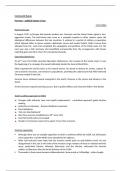
Nazi-Soviet pact
In August 1939, as Europe slid towards another war, Germany and the Soviet Union signed a non-
aggression treaty. The Nazi-soviet pact came as a complete surprise to other nations, given the
ideological differences between the two countries. It ushered in a period of military co-operation
which allowed Hitler to ignore western diplomatic moves and invade Poland. Stalin’s forces then
attacked from the west and completed the subjugation and partition of the Polish state. For the
next year and a half, Germany also benefitted economically from the arrangement, with Russia
exporting grain and oil in return for manufactured goods.
Operation Barbarossa
On 22nd June 1941 Hitler launched Operation ‘Barbarossa’, the invasion of the Soviet Union. It was
the beginning of a campaign that would ultimately decide the Second World War.
Hitler regarded the Soviet Union as his natural enemy. He aimed to destroy its armies, capture its
vast economic resources, and enslave its populations, providing the Lebensraum that Hitler believed
Germany needed in the East.
German forces attacked toward Leningrad in the North, Moscow in the centre and Ukraine in the
South.
At first Germans enjoyed stunning success. But it quickly shifted, and it became Hitler’s first defeat.
Stalin’s political approach to WW2
Changes with authority clear and rapidly implemented – centralised approach guide decision
making.
Authority not absolute – Russian Weekhan movement
Penal battalions
‘Not one Step Backward’
War time economy established on 30th June 1941
Scorched earth policy encouraged.
People’s commissars issued every aspect of war time economy.
Wartime opposition
Although there was no outright opposition to Stalin’s authority within the USSR, not all Russians
were supportive, and the NKVD never abandoned its vigilance.
Hitler had nurtured some hope that the invasion would spark an anti-Stalinist revolt. He was
disappointed in this, but in the wake of the invasion, large numbers of those in national minority
areas, particularly Estonia, Lithuania, Belorussia, and the Ukraine, welcomed the German
soldiers as liberators after the harsh Stalinism of the 1930s
Thousands in these areas became collaborationists. Some acted as ‘Hilfswillige’, others fought.
Part two – political impact of war
11/01/2024
Nazi-Soviet pact
In August 1939, as Europe slid towards another war, Germany and the Soviet Union signed a non-
aggression treaty. The Nazi-soviet pact came as a complete surprise to other nations, given the
ideological differences between the two countries. It ushered in a period of military co-operation
which allowed Hitler to ignore western diplomatic moves and invade Poland. Stalin’s forces then
attacked from the west and completed the subjugation and partition of the Polish state. For the
next year and a half, Germany also benefitted economically from the arrangement, with Russia
exporting grain and oil in return for manufactured goods.
Operation Barbarossa
On 22nd June 1941 Hitler launched Operation ‘Barbarossa’, the invasion of the Soviet Union. It was
the beginning of a campaign that would ultimately decide the Second World War.
Hitler regarded the Soviet Union as his natural enemy. He aimed to destroy its armies, capture its
vast economic resources, and enslave its populations, providing the Lebensraum that Hitler believed
Germany needed in the East.
German forces attacked toward Leningrad in the North, Moscow in the centre and Ukraine in the
South.
At first Germans enjoyed stunning success. But it quickly shifted, and it became Hitler’s first defeat.
Stalin’s political approach to WW2
Changes with authority clear and rapidly implemented – centralised approach guide decision
making.
Authority not absolute – Russian Weekhan movement
Penal battalions
‘Not one Step Backward’
War time economy established on 30th June 1941
Scorched earth policy encouraged.
People’s commissars issued every aspect of war time economy.
Wartime opposition
Although there was no outright opposition to Stalin’s authority within the USSR, not all Russians
were supportive, and the NKVD never abandoned its vigilance.
Hitler had nurtured some hope that the invasion would spark an anti-Stalinist revolt. He was
disappointed in this, but in the wake of the invasion, large numbers of those in national minority
areas, particularly Estonia, Lithuania, Belorussia, and the Ukraine, welcomed the German
soldiers as liberators after the harsh Stalinism of the 1930s
Thousands in these areas became collaborationists. Some acted as ‘Hilfswillige’, others fought.