Unit 9 – Human Regulation and Reproduction
Regulation of the cardiovascular and respiratory system
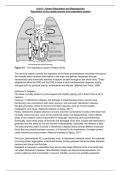
Figure 10 – The respiratory system (Patient, 2019)
The nervous system controls the regulation of the heart and peripheral circulation throughout
the medulla which receives information in the brain and delivers responses through
mechanically and chemically sensitive receptors located throughout the whole body. These
adaptations allow the SNS and the PNS to have a rapid cardiovascular response during
changes such as physical activity, temperature and altitude. (Mitchell and Victor, 1996)
Alzheimer’s Disease…
The brain normally shrinks to some degree with healthy ageing, but it doesn't lose a lot of
neurons.
However, in Alzheimer's disease, the damage is broad because many neurons stop
functioning, lose connections with other neurons, and succumb. Alzheimer's disease
disrupts processes critical to neurons and their networks, such as communication,
metabolism, and repair. (National Institute on Aging, 2017)
Firstly, Alzheimer's disease destroys neurons and their connections in parts of the brain that
normally control memory, such as the entorhinal cortex and hippocampus. It then affects
areas of the cerebral cortex responsible for language, reasoning, and social behaviour.
Eventually, many other areas of the brain are damaged. Over time, people with Alzheimer's
gradually lose the ability to live and function independently. Ultimately, the disease is fatal.
The beta-amyloid protein involved in Alzheimer's disease takes several different molecular
forms that accumulate between neurons. It is formed by the breakdown of a larger protein
called amyloid precursor protein. (National Institute on Aging, 2017)
One form, beta-amyloid 42, is particularly toxic. In Alzheimer's disease brains, this naturally
occurring protein aggregates at abnormal levels, forming plaques that accumulate between
neurons and disrupt cell function.
Research is ongoing to understand how and at what stage different forms of amyloid beta
can affect Alzheimer's disease. Neurofibrillary tangles are abnormal accumulations of a
protein called tau that accumulate in neurons. Healthy neurons are partially supported
Regulation of the cardiovascular and respiratory system
Figure 10 – The respiratory system (Patient, 2019)
The nervous system controls the regulation of the heart and peripheral circulation throughout
the medulla which receives information in the brain and delivers responses through
mechanically and chemically sensitive receptors located throughout the whole body. These
adaptations allow the SNS and the PNS to have a rapid cardiovascular response during
changes such as physical activity, temperature and altitude. (Mitchell and Victor, 1996)
Alzheimer’s Disease…
The brain normally shrinks to some degree with healthy ageing, but it doesn't lose a lot of
neurons.
However, in Alzheimer's disease, the damage is broad because many neurons stop
functioning, lose connections with other neurons, and succumb. Alzheimer's disease
disrupts processes critical to neurons and their networks, such as communication,
metabolism, and repair. (National Institute on Aging, 2017)
Firstly, Alzheimer's disease destroys neurons and their connections in parts of the brain that
normally control memory, such as the entorhinal cortex and hippocampus. It then affects
areas of the cerebral cortex responsible for language, reasoning, and social behaviour.
Eventually, many other areas of the brain are damaged. Over time, people with Alzheimer's
gradually lose the ability to live and function independently. Ultimately, the disease is fatal.
The beta-amyloid protein involved in Alzheimer's disease takes several different molecular
forms that accumulate between neurons. It is formed by the breakdown of a larger protein
called amyloid precursor protein. (National Institute on Aging, 2017)
One form, beta-amyloid 42, is particularly toxic. In Alzheimer's disease brains, this naturally
occurring protein aggregates at abnormal levels, forming plaques that accumulate between
neurons and disrupt cell function.
Research is ongoing to understand how and at what stage different forms of amyloid beta
can affect Alzheimer's disease. Neurofibrillary tangles are abnormal accumulations of a
protein called tau that accumulate in neurons. Healthy neurons are partially supported