RESEARCH AND STATISTICS ANSWERKEY (15 MARKS
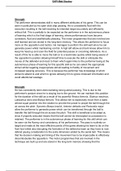
RESEARCH AND STATISTICS ANSWERKEY (15 MARKSRESEARCH AND STATISTICS ANSWERKEY (15 MARKS) Q1. Define Sampling and Explain probability sampling atifie random sampling techniques. Answer Defination: Sampling is a process of selecting representative units from an entire population. Probability Sampling Introduction : It is one of a technique of sampling ,it is based on theory of probability. It involves random selection of the elements from the population Techniques of probability sampling : 1.Simple random sampling 2.Stratified random sampling 3.Systemic random sampling 4.Cluster/multistage sampling 5.Sequential sampling I. Simple Random Sampling: In this every member of population has an equal chance to getting selected. In this for the sampling used random sampling technique. Due to the random selection there is a absence of systemic bias. Random selection either by a lottery, random table or computer. ADVANTAGES : Most realiable and unbiased method Requires minimum knowledge of study population Free from sampling errors DISADVANTAGES: Need up to date complte list of of all members of the population Expensivre and time consuming II. Stratified Random Sampling: Dividing heterogeneous population in strata based on selected traits such as age , gender ,habitat ,and then random selection of sample from each strata. ADVANTAGES Ensures representative sample in heterogeneous population. Comparision is possible in two group. DISADVANTAGES Requires complete information of population Large population is required Chances of faulty classification of strata III. Systematic Random Sampling: Selecting of every Kth case from the group ,,such as every 10th person on a patient list or 100th person ADVANTAGES: Convenient and simple to carry out Distribution sample over entire population DISADVATAGES Less representative sample if subjects are non randomly distributed Sometimes may result in biased sample IV. Cluster Or Multistage Sampling: In very large population random selection of geographic cluster and then random selection of subjects from the cluster. When population is very large such as “Asia” random selection of geographic cluster ADVANTAGES: Cheap, quick and easy for large population Population parameters of population can be estimated for sample size DISADVANTAGES: Possibility of high sampling error Chances of least presentative sample due to over represented or under represented cluster
Written for
- Institution
- RESEARCH AND STATISTICS
- Module
- RESEARCH AND STATISTICS
Document information
- Uploaded on
- October 19, 2023
- Number of pages
- 55
- Written in
- 2023/2024
- Type
- Exam (elaborations)
- Contains
- Questions & answers
Subjects
-
research and statistics answerkey 15 marks