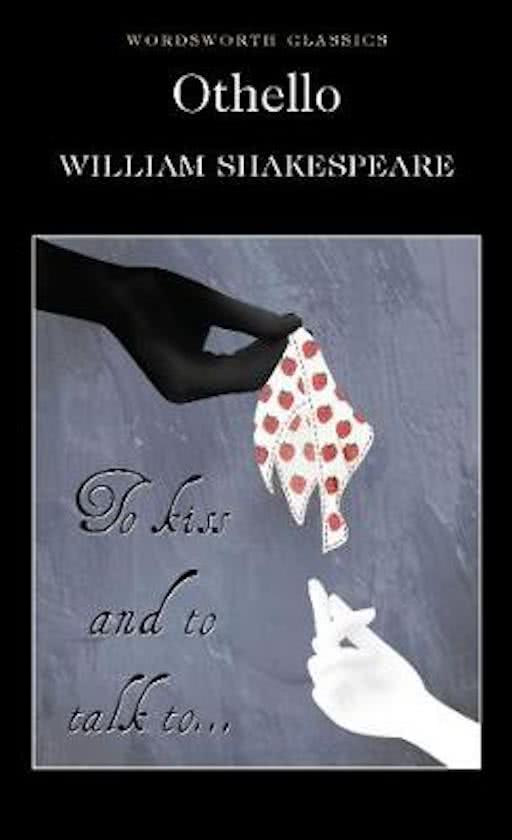
Explore the significance of ideas about honour and reputation to the tragedy
of Othello (25marks)
Shakespeare initially portrays Othello as a man of great reputation and honour through his
confident military leadership and self-assured nature. In Act 1 scene 2, he is able to use his
military power effectively against Brabantio “put down your swords for the dew will rust
them”, here Shakespeare deliberately conveys how despite being unarmed in the face of
weapons, Othello maintains his composure and collected stance. Further, the reputation of
“valiant” emphasises his dignified reputation amongst the duke and senators signifying his
status as a military leader. His self-assured and respectful language “most potent grave and
reverent signiors” highlights how he has adopted this dignified reputation and he is not an
outsider. Furthermore, despite Brabantio’s slanderous allegations of using black magic,
Othello calmly refutes them and conveys his honour as a soldier in his “hair-breadth scapes”
where we as an audience admire his military status and respect his character. Further, in Act
1 scene 3, his reputation is solidified as dignified in the duke’s comment “you’re son-in-law is
far more fair than black” emphasising how Othello’s reputation is respected and admired in
Venice.
However, Othello begins to deteriorate in both honour and reputation which is clear in the
temptation scene of Act 1 scene 3. His soliloquy reveals his loss of identity and confidence as
he condemns himself “haply for I am black” and begins to lose honour within. Furthermore,
the blow to his honour is reflected in that he adopts prose “pish noses ears lips”
emphasising how the insinuation of being cuckolded has “set me (him) on a rack” and his
honour has been tainted by accusations of Desdemona’s infidelity. His reputation is
diminishing by Act 4 scene 1 as after publicly and violently abusing Desdemona, the venetian
senators shockingly comment “is this the valiant moor” unable to comprehend his
transformation thus signifying his loss of reputation “he is much changed”. Finally, Othello
clings onto his honour and reputation as in his monologue in Act 5, he states, “an
honourable murderer if you will” and justifies his actions under the pretence of ‘honour’. He
wishes to maintain his reputation after death as he asks to be described as one that “loved
not too wisely but too well”. This reflects his tragic obsession with honour which he
significantly places above his wife’s life “she must die else she’ll betray more men”, thus
catalysing his own inevitable downfall as he values honour and reputation more than his
own wife.
Another character who perhaps uses their reputation and honour to exploit other characters
is Iago. In his soliloquies of Act 1 scene 3 “twixd my sheets” and Act 2 scene 1 “hath leaped
into my seat”, he reveals his tainted honour which motivates him to “plume up my will” and
“pour pestilence” into Othello’s ear whilst simultaneously subverting Desdemona’s “virtue
into pitch”. He is able to exploit his “honest” reputation to incite other characters downfalls.
of Othello (25marks)
Shakespeare initially portrays Othello as a man of great reputation and honour through his
confident military leadership and self-assured nature. In Act 1 scene 2, he is able to use his
military power effectively against Brabantio “put down your swords for the dew will rust
them”, here Shakespeare deliberately conveys how despite being unarmed in the face of
weapons, Othello maintains his composure and collected stance. Further, the reputation of
“valiant” emphasises his dignified reputation amongst the duke and senators signifying his
status as a military leader. His self-assured and respectful language “most potent grave and
reverent signiors” highlights how he has adopted this dignified reputation and he is not an
outsider. Furthermore, despite Brabantio’s slanderous allegations of using black magic,
Othello calmly refutes them and conveys his honour as a soldier in his “hair-breadth scapes”
where we as an audience admire his military status and respect his character. Further, in Act
1 scene 3, his reputation is solidified as dignified in the duke’s comment “you’re son-in-law is
far more fair than black” emphasising how Othello’s reputation is respected and admired in
Venice.
However, Othello begins to deteriorate in both honour and reputation which is clear in the
temptation scene of Act 1 scene 3. His soliloquy reveals his loss of identity and confidence as
he condemns himself “haply for I am black” and begins to lose honour within. Furthermore,
the blow to his honour is reflected in that he adopts prose “pish noses ears lips”
emphasising how the insinuation of being cuckolded has “set me (him) on a rack” and his
honour has been tainted by accusations of Desdemona’s infidelity. His reputation is
diminishing by Act 4 scene 1 as after publicly and violently abusing Desdemona, the venetian
senators shockingly comment “is this the valiant moor” unable to comprehend his
transformation thus signifying his loss of reputation “he is much changed”. Finally, Othello
clings onto his honour and reputation as in his monologue in Act 5, he states, “an
honourable murderer if you will” and justifies his actions under the pretence of ‘honour’. He
wishes to maintain his reputation after death as he asks to be described as one that “loved
not too wisely but too well”. This reflects his tragic obsession with honour which he
significantly places above his wife’s life “she must die else she’ll betray more men”, thus
catalysing his own inevitable downfall as he values honour and reputation more than his
own wife.
Another character who perhaps uses their reputation and honour to exploit other characters
is Iago. In his soliloquies of Act 1 scene 3 “twixd my sheets” and Act 2 scene 1 “hath leaped
into my seat”, he reveals his tainted honour which motivates him to “plume up my will” and
“pour pestilence” into Othello’s ear whilst simultaneously subverting Desdemona’s “virtue
into pitch”. He is able to exploit his “honest” reputation to incite other characters downfalls.