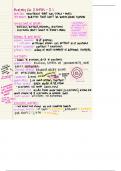
RED BLOOD CELLS
BLOOD IS MADE
OUTOF: PLASMA WHITEBLOOD CELLS
these cells are specialised, they
dioxide:dissolves in plasma
carbon respiring
·
phagocytes carry oxygen to cells.
#Red Blood Cells and transported from respiring cells
contain haemoglobin (carries oxygen
for" nis"function?
imphocyterries are
are
to the lung S.
outphagocytosisi s
Digested food:dissolved particles
of
absorbed from small intestine & delivers by engulfing & digesting pathogens. &
haemoglobin (binds oxygen)
n
- 11 White Blood cells-immune system
ittorequiring causewhich, asaws
ase no nu more
sur face membrane
.
↑ contain sensitive cell
space
chemicals produced
miasma" Een "Irana " e
detect by
battogenic sens
.
shapedlikemabiconcave
see
#P/ASMA- contains CO2, glucose, minerals, water, amino acid kidney. large 3. A
to
cell, they will
oxygenateto
maximise
lipids, vitamins, ured · once they encounter the volume diffusion
digestive enze
out,
risverges remindmeengineer engus,it,and
of
release
#Platelets -
clots blood /organ.
antibodies.
heat energy:created
in
respiration. LYMPHOCYTES:produces PLATELETS & BLOOD CLOTTING
ANTIB ODY energ y is transferred to cooler
heat
Antibo dies are Y-shaped proteins
WHAT WHEN YOU
itarefragmentofsel
PROD UCTION: HAPPENS parts the
of Plate
GET
body with a specific shape to the antigens
AN INFECTION?
that
on the surface of the pathogen.
I .
pathogen enters the blood stream & clotting W
3
multiplies. specfic response
HOW VASCINATION WORKS This is a immune
whereherbeg,,torebralennemi
since this antibody will only fit one
them contains harmless version of a pathogen
phagocytes that encounters
2. vaccine type of is
antigen.
recognise it as a pathogen and engulf into bloodstream,
once the vaccine is injected proteins insoluble
& digest.
lymphocytes startto recognise the antigens in the fibrin,
HEART
THE
mesh across the
wounds. Therefore
-
Ingest
3. Lymphocyte encounters antigens & bloodstream.
the heart is a double pump.
armingeveronatthe
phagocytosis recog nise them, they start to produce
specific oxygenated blood from the left
entersthe
activated lymphocytes antibodies
to
specific antibodies for pathogen The produce
of the heart & is pumped inges body.
beenes
side O of the
the antigen encountered.
+
to
this is why the left ventricle has a
"
a S
4. The lymphocytes clones themselves.
memory cells & antibodies subsequently remain
Wall,
3. Antibodies cause aggulation (clumping circulating in the blood stream. perxygenatedaufat?Bumeinelungs. WHY IS BLOOD CLOTTING IMPORTANT:
of particles) of pathogens.
As 6. Phagocytes engulf & digest the aggulated
Youare aOrta
blood
*
blood
*
pump towards the
from the
heart:veins
heart:artery
·prevents
prevents
significantblood
entry of pathogens
loss
somee
pathogens. pump away
s
to
2. After recovery, antibodies specific to
I
- corrnary arteriessupply, cardiac
muscle tissue oft he
7
the disease are retained.
a steria
B vee -
B cymphocyte
pulmonary
flowing backwards.
3.
- values prevent blood from
- vein
3:
& bacteria
- 4. receptor
antigen
pathway blood:
I
& nt of
19 f t
↓ afr.um - -
triaenn
I T
und
- + - .
deoxygenated blood from body flows through
I
"Sirgest
-
vena cava -
rightatrium.
Macrophage
-
dad ↓
b
2. right atrium contracts & blood is forced through the value
* ventricle.
1 +
1 into the right
1
↓
contracts & blood is pushed through value
3. right ventricle
5.
symphocytedivide into the
pulmonary artery
through the capillaries
↳bloodtravelstothelungs
blasm G
& moves
vencie
cellS
-
⑧
6 -
make anti-bodies
the left atrium.
-
* 3. oxygenated blood returns through pulmonary vein to
specific
+ #
Y Y
O
into left ventricle.
antigen 6. Left atrium contracts & forces blood through value
p
Se
Y O
7 ventricle contracts and the blood is forced through the value and out
the aorta.
HEART RATE
CORONARY HEARTDISEASE BLOOD VESSELS ARTERIES:
natural heart rate is controlled by a group of cells build
plaque fatty material up inside
called the pacemaker. in CHD, layers
of (a
carries blood at high pressure awayfrom
Arteries
·
mainly form from
·
the coronary arteries plaques are cholesterol. heart.
-
pacemaker coordinates the contraction of heart muscle
cholesterol is found in
·
veins ·have thick walls which containselastic
a regulate heart rate.
·
dietary cholesterol (from animal products) · capillaries fibres
initiate a contraction
-
send out electrical impulses which lumen
·
cholesterol synthesised by the liver ·have a narrow
in the cardiac muscle.
VEINS: ADAPTION:
Buildup of in the coronary arteries narrow
EXCERCISING plaque
carry blood at low pressur thick walls & elastic fibre:to withstand
aeronaryarterybecomes Partialare
since there is build up, the
a
hear the and maintain BP
rewardsthe
high pressure of blood
during exercise, the cells of the muscle repire blocked. It loses its elasticity
as itrecoils afterblood has passed
more in order to produce energy for muscle
reduced, through.
As the flowofbloodthrough the arteries is resultingthe
contraction.
. contain valves narrow lumen:mantain high pressure.
demand our this
anincreasein respiration
means more ·
may lead to chestp ains called angina. ·
slow speed.
be
CAPILLARIES:
complete blockage means aerobic respiration
d waste products needed to be . will not
·
carry blood
low
at
pressure within tissues
removed. ADAPTIONS:
have 1 cell thick walls
large lumen:reduces resistance to
blood flow under low pressure
↑
blood flow is slow
valves:Prevent presents of
and pumped FACTORS CHD the
therefore, heartrate volume out RISK OF
increases to deliver
oxygen & glucose ·
obesity APTY fast a nd easy diffusion
blood againstarethe
high bloodpressureincreasesforce
of
production of Adrenaline a hormone, increases
the heartrate. This is known as a fight or flight'
increasebuildtheteaand
high cholesterol (speeds up
response.
·
smoking (chemicals causes
bp. Carbon monoxide reduces
oxygen carrying capacity
of RBC)
ORGAN TOWARDS ORGAN AWAY FROM ORGAN
pulmonary pulmonary
LUNG artery wein
hepatic hepatic
LIVer vein
artery
renal
renal
Kidney artery
vein
BLOOD IS MADE
OUTOF: PLASMA WHITEBLOOD CELLS
these cells are specialised, they
dioxide:dissolves in plasma
carbon respiring
·
phagocytes carry oxygen to cells.
#Red Blood Cells and transported from respiring cells
contain haemoglobin (carries oxygen
for" nis"function?
imphocyterries are
are
to the lung S.
outphagocytosisi s
Digested food:dissolved particles
of
absorbed from small intestine & delivers by engulfing & digesting pathogens. &
haemoglobin (binds oxygen)
n
- 11 White Blood cells-immune system
ittorequiring causewhich, asaws
ase no nu more
sur face membrane
.
↑ contain sensitive cell
space
chemicals produced
miasma" Een "Irana " e
detect by
battogenic sens
.
shapedlikemabiconcave
see
#P/ASMA- contains CO2, glucose, minerals, water, amino acid kidney. large 3. A
to
cell, they will
oxygenateto
maximise
lipids, vitamins, ured · once they encounter the volume diffusion
digestive enze
out,
risverges remindmeengineer engus,it,and
of
release
#Platelets -
clots blood /organ.
antibodies.
heat energy:created
in
respiration. LYMPHOCYTES:produces PLATELETS & BLOOD CLOTTING
ANTIB ODY energ y is transferred to cooler
heat
Antibo dies are Y-shaped proteins
WHAT WHEN YOU
itarefragmentofsel
PROD UCTION: HAPPENS parts the
of Plate
GET
body with a specific shape to the antigens
AN INFECTION?
that
on the surface of the pathogen.
I .
pathogen enters the blood stream & clotting W
3
multiplies. specfic response
HOW VASCINATION WORKS This is a immune
whereherbeg,,torebralennemi
since this antibody will only fit one
them contains harmless version of a pathogen
phagocytes that encounters
2. vaccine type of is
antigen.
recognise it as a pathogen and engulf into bloodstream,
once the vaccine is injected proteins insoluble
& digest.
lymphocytes startto recognise the antigens in the fibrin,
HEART
THE
mesh across the
wounds. Therefore
-
Ingest
3. Lymphocyte encounters antigens & bloodstream.
the heart is a double pump.
armingeveronatthe
phagocytosis recog nise them, they start to produce
specific oxygenated blood from the left
entersthe
activated lymphocytes antibodies
to
specific antibodies for pathogen The produce
of the heart & is pumped inges body.
beenes
side O of the
the antigen encountered.
+
to
this is why the left ventricle has a
"
a S
4. The lymphocytes clones themselves.
memory cells & antibodies subsequently remain
Wall,
3. Antibodies cause aggulation (clumping circulating in the blood stream. perxygenatedaufat?Bumeinelungs. WHY IS BLOOD CLOTTING IMPORTANT:
of particles) of pathogens.
As 6. Phagocytes engulf & digest the aggulated
Youare aOrta
blood
*
blood
*
pump towards the
from the
heart:veins
heart:artery
·prevents
prevents
significantblood
entry of pathogens
loss
somee
pathogens. pump away
s
to
2. After recovery, antibodies specific to
I
- corrnary arteriessupply, cardiac
muscle tissue oft he
7
the disease are retained.
a steria
B vee -
B cymphocyte
pulmonary
flowing backwards.
3.
- values prevent blood from
- vein
3:
& bacteria
- 4. receptor
antigen
pathway blood:
I
& nt of
19 f t
↓ afr.um - -
triaenn
I T
und
- + - .
deoxygenated blood from body flows through
I
"Sirgest
-
vena cava -
rightatrium.
Macrophage
-
dad ↓
b
2. right atrium contracts & blood is forced through the value
* ventricle.
1 +
1 into the right
1
↓
contracts & blood is pushed through value
3. right ventricle
5.
symphocytedivide into the
pulmonary artery
through the capillaries
↳bloodtravelstothelungs
blasm G
& moves
vencie
cellS
-
⑧
6 -
make anti-bodies
the left atrium.
-
* 3. oxygenated blood returns through pulmonary vein to
specific
+ #
Y Y
O
into left ventricle.
antigen 6. Left atrium contracts & forces blood through value
p
Se
Y O
7 ventricle contracts and the blood is forced through the value and out
the aorta.
HEART RATE
CORONARY HEARTDISEASE BLOOD VESSELS ARTERIES:
natural heart rate is controlled by a group of cells build
plaque fatty material up inside
called the pacemaker. in CHD, layers
of (a
carries blood at high pressure awayfrom
Arteries
·
mainly form from
·
the coronary arteries plaques are cholesterol. heart.
-
pacemaker coordinates the contraction of heart muscle
cholesterol is found in
·
veins ·have thick walls which containselastic
a regulate heart rate.
·
dietary cholesterol (from animal products) · capillaries fibres
initiate a contraction
-
send out electrical impulses which lumen
·
cholesterol synthesised by the liver ·have a narrow
in the cardiac muscle.
VEINS: ADAPTION:
Buildup of in the coronary arteries narrow
EXCERCISING plaque
carry blood at low pressur thick walls & elastic fibre:to withstand
aeronaryarterybecomes Partialare
since there is build up, the
a
hear the and maintain BP
rewardsthe
high pressure of blood
during exercise, the cells of the muscle repire blocked. It loses its elasticity
as itrecoils afterblood has passed
more in order to produce energy for muscle
reduced, through.
As the flowofbloodthrough the arteries is resultingthe
contraction.
. contain valves narrow lumen:mantain high pressure.
demand our this
anincreasein respiration
means more ·
may lead to chestp ains called angina. ·
slow speed.
be
CAPILLARIES:
complete blockage means aerobic respiration
d waste products needed to be . will not
·
carry blood
low
at
pressure within tissues
removed. ADAPTIONS:
have 1 cell thick walls
large lumen:reduces resistance to
blood flow under low pressure
↑
blood flow is slow
valves:Prevent presents of
and pumped FACTORS CHD the
therefore, heartrate volume out RISK OF
increases to deliver
oxygen & glucose ·
obesity APTY fast a nd easy diffusion
blood againstarethe
high bloodpressureincreasesforce
of
production of Adrenaline a hormone, increases
the heartrate. This is known as a fight or flight'
increasebuildtheteaand
high cholesterol (speeds up
response.
·
smoking (chemicals causes
bp. Carbon monoxide reduces
oxygen carrying capacity
of RBC)
ORGAN TOWARDS ORGAN AWAY FROM ORGAN
pulmonary pulmonary
LUNG artery wein
hepatic hepatic
LIVer vein
artery
renal
renal
Kidney artery
vein