Tragedy
- NUTALL
- ‘Enjoyed discomfort’
- KASTAN
- ‘Uncertainty is the point’
- MACK
- ‘Madness is to some degree a punishment or doom’
- Divine punishment
- McCulloch
- Tragedy = man destroyed by his fatal flaw
- Rymer
- Wrong of Shakespeare to have an unclear time frame because this doesn’t fit the
criteria for classical tragedy and unity of time.
- GREER
- ‘Othello lives because it exposes something within us, something that we cannot –
or do not want to – face.’
- ‘In Othello, Shakespeare lifts us above the ordinary socio-political facts and
resents us with a universal drama for all time, the story of us all: the weakness
inherent within every human being.’
- WAIN
- "a tragedy of misunderstanding"
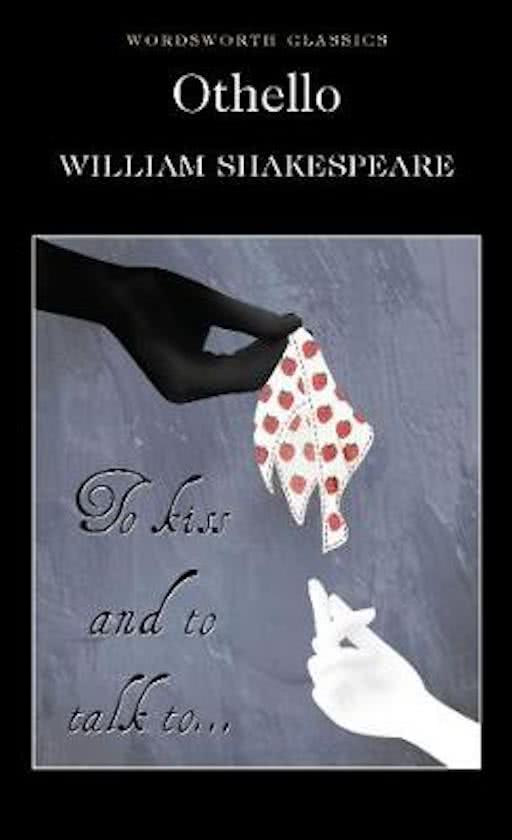
Othello
- MACK
- ‘Madness is to some degree a punishment or doom’
- ‘Any excess of passion approaches madness’
- LEAVIS
- ‘Othello dies belonging to the world of action in which his true part lay’
- ‘Discovers his mistake, but there is no tragic self-discovery’
- Othello is the ‘stoic captain.’
- In short, a habit of self-approving self-dramatization is an essential element on
Othello’s makeup, and remains so at the very end.
- [About final speech] ‘The quiet beginning gives us the man of action with his
habit of effortless authority.’
- His use of soft, subtle imperatives is cunningly manipulative;
Othello still demands- even on his death-bed- to 'speak of [him] as
[he is]'. Serving as extended proof of his unchanging nature,
Othello's lexis from Act I Scene I to Act V Scene II never falters and
fails to evolve from this habit of self-dramatisation.
- ‘He speaks his last words as the stern fighting man who has done the
state some service.’
- deflection of blame on account of reputation? is it then fair to
blame the characters in the play for being obsessed with their
reputation, if it is able to grant then such protection?
- "Iago simply exploits a weakness that already existed in Othello's character"
- ‘ferocious stupidity, an insane and self-deceiving passion.’
, -
- LOOMBA
- ‘Victim of racial beliefs because he becomes an agent of misogynistic ones’
- [black people] ‘godless, bestial and hideous’ and ‘propensity to violence’
- GREER:
- ‘Through the play we come to know Othello, come to know exactly who he is.’
- ‘Othello has gone through life, won battles, won great office, won the love of a
beautiful young woman – but has never known himself.’
- ‘Jealousy is destroying him [Othello] […] not the unmotivated hatred of Iago.’
- Phillips:
- "Othello feels constantly threatened and profoundly insecure"
- "Othello is a man of action, not a thinker. In his first speech he
subconsciously acknowledges the social pressure he is under"
- Coleridge:
- “Shakespeare had portrayed [Othello] the very opposite to a jealous man: he
was noble, generous, open-hearted; unsuspicious and unsuspecting; and who,
even after the exhibition of the handkerchief as evidence of his wife’s guilt,
bursts out in her praise. . . . He was a gallant Moor, of royal blood . . .whose
noble nature was wrought on . . . by an accomplished and artful villain . . .”
- Bradley:
- The Othello who enters the bed-chamber with the words, 'It is the cause, it is
the cause, my soul', is not the man of the Fourth Act. The deed he is bound
to do is not murder, but a sacrifice. He is to save Desdemona from
herself, not in hate but in honour; in honour, and also in love.”
- Eliot:
- I have always felt that I have never read a more terrible exposure of human
weakness – of universal human weakness – than the last great speech of
Othello.”
- Friedrich
- As a barbarian and someone who we cannot relate to; an alien.
- Gardner
- ‘heroic and principled’
- Brotton:
- 'Othello is driven mad by the violence of his own desire for sexual domination of
his wife; that violence strips him of his self-control, his virtue and his eloquence.'
- 'As Othello undergoes this transformation from a valiant, strong warrior who is in
control of sexual desire and unaffected by jealousy to a weakened, predatory
- NUTALL
- ‘Enjoyed discomfort’
- KASTAN
- ‘Uncertainty is the point’
- MACK
- ‘Madness is to some degree a punishment or doom’
- Divine punishment
- McCulloch
- Tragedy = man destroyed by his fatal flaw
- Rymer
- Wrong of Shakespeare to have an unclear time frame because this doesn’t fit the
criteria for classical tragedy and unity of time.
- GREER
- ‘Othello lives because it exposes something within us, something that we cannot –
or do not want to – face.’
- ‘In Othello, Shakespeare lifts us above the ordinary socio-political facts and
resents us with a universal drama for all time, the story of us all: the weakness
inherent within every human being.’
- WAIN
- "a tragedy of misunderstanding"
Othello
- MACK
- ‘Madness is to some degree a punishment or doom’
- ‘Any excess of passion approaches madness’
- LEAVIS
- ‘Othello dies belonging to the world of action in which his true part lay’
- ‘Discovers his mistake, but there is no tragic self-discovery’
- Othello is the ‘stoic captain.’
- In short, a habit of self-approving self-dramatization is an essential element on
Othello’s makeup, and remains so at the very end.
- [About final speech] ‘The quiet beginning gives us the man of action with his
habit of effortless authority.’
- His use of soft, subtle imperatives is cunningly manipulative;
Othello still demands- even on his death-bed- to 'speak of [him] as
[he is]'. Serving as extended proof of his unchanging nature,
Othello's lexis from Act I Scene I to Act V Scene II never falters and
fails to evolve from this habit of self-dramatisation.
- ‘He speaks his last words as the stern fighting man who has done the
state some service.’
- deflection of blame on account of reputation? is it then fair to
blame the characters in the play for being obsessed with their
reputation, if it is able to grant then such protection?
- "Iago simply exploits a weakness that already existed in Othello's character"
- ‘ferocious stupidity, an insane and self-deceiving passion.’
, -
- LOOMBA
- ‘Victim of racial beliefs because he becomes an agent of misogynistic ones’
- [black people] ‘godless, bestial and hideous’ and ‘propensity to violence’
- GREER:
- ‘Through the play we come to know Othello, come to know exactly who he is.’
- ‘Othello has gone through life, won battles, won great office, won the love of a
beautiful young woman – but has never known himself.’
- ‘Jealousy is destroying him [Othello] […] not the unmotivated hatred of Iago.’
- Phillips:
- "Othello feels constantly threatened and profoundly insecure"
- "Othello is a man of action, not a thinker. In his first speech he
subconsciously acknowledges the social pressure he is under"
- Coleridge:
- “Shakespeare had portrayed [Othello] the very opposite to a jealous man: he
was noble, generous, open-hearted; unsuspicious and unsuspecting; and who,
even after the exhibition of the handkerchief as evidence of his wife’s guilt,
bursts out in her praise. . . . He was a gallant Moor, of royal blood . . .whose
noble nature was wrought on . . . by an accomplished and artful villain . . .”
- Bradley:
- The Othello who enters the bed-chamber with the words, 'It is the cause, it is
the cause, my soul', is not the man of the Fourth Act. The deed he is bound
to do is not murder, but a sacrifice. He is to save Desdemona from
herself, not in hate but in honour; in honour, and also in love.”
- Eliot:
- I have always felt that I have never read a more terrible exposure of human
weakness – of universal human weakness – than the last great speech of
Othello.”
- Friedrich
- As a barbarian and someone who we cannot relate to; an alien.
- Gardner
- ‘heroic and principled’
- Brotton:
- 'Othello is driven mad by the violence of his own desire for sexual domination of
his wife; that violence strips him of his self-control, his virtue and his eloquence.'
- 'As Othello undergoes this transformation from a valiant, strong warrior who is in
control of sexual desire and unaffected by jealousy to a weakened, predatory