Plan:
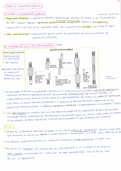
● Controlling through fear
○ Supernatural
■ ‘Vampyre’
■ ‘Reflection’ - ‘and turned to the mirror’
■ ‘Fearful and ghastly’
■ Victorian readers knew the stories - increases fear
■ Tries to bite Mason
■ Throughout the book many mentions about how Jane is also
supernatural
○ Fear of others
■ ‘Savage face’ - casual racism
■ “it removed my veil” - dehumanising language
● Doppelgangers
○ Bertha is Jane’s dark side
■ ‘While the reader sees their distinct differences, they also see an eerie
similarity to their circumstances and personalities’
■ fatal fury
○ Themes of madness
■ ‘Red eyes’
■ “The creature of an over-stimulated brain”
■ Both constrained/imprisoned - Jane (red room) - Bertha (attic)
■ ‘broken reflections’ - from red room
○ Opposites
■ ‘woman, tall and large’ - unlike Victorian society’s standards - women
should be petite and delicate - like Jane
Similarities between Bertha and Jane:
- Both outsiders to society - class/sanity/race
- Jane was a picture of passion - could have easily ended up like Bertha
- Both constrained/imprisoned - Jane (red room) - Bertha (attic)
- Pained by upcoming wedding
- Both have been traumatised
- Both romantically attached to Rochester
Contrasts between Bertha and Jane:
- Clear division between protagonist and antagonist
- Large and dark vs small and pale
- Civilised and rational vs wild and irrational
- Controlled emotions vs wild release of emotions
- Considered actions vs hasty actions
- Guiding role of Helen/Miss Temple - later on characters in Thornfield - allowed Jane
to learn moderation, gentleness and love (plus education), whereas Bertha’s family
disposed of her through marriage - used their money to get rid of her and hide the
shame of her, rather than cared for her madness.
● Controlling through fear
○ Supernatural
■ ‘Vampyre’
■ ‘Reflection’ - ‘and turned to the mirror’
■ ‘Fearful and ghastly’
■ Victorian readers knew the stories - increases fear
■ Tries to bite Mason
■ Throughout the book many mentions about how Jane is also
supernatural
○ Fear of others
■ ‘Savage face’ - casual racism
■ “it removed my veil” - dehumanising language
● Doppelgangers
○ Bertha is Jane’s dark side
■ ‘While the reader sees their distinct differences, they also see an eerie
similarity to their circumstances and personalities’
■ fatal fury
○ Themes of madness
■ ‘Red eyes’
■ “The creature of an over-stimulated brain”
■ Both constrained/imprisoned - Jane (red room) - Bertha (attic)
■ ‘broken reflections’ - from red room
○ Opposites
■ ‘woman, tall and large’ - unlike Victorian society’s standards - women
should be petite and delicate - like Jane
Similarities between Bertha and Jane:
- Both outsiders to society - class/sanity/race
- Jane was a picture of passion - could have easily ended up like Bertha
- Both constrained/imprisoned - Jane (red room) - Bertha (attic)
- Pained by upcoming wedding
- Both have been traumatised
- Both romantically attached to Rochester
Contrasts between Bertha and Jane:
- Clear division between protagonist and antagonist
- Large and dark vs small and pale
- Civilised and rational vs wild and irrational
- Controlled emotions vs wild release of emotions
- Considered actions vs hasty actions
- Guiding role of Helen/Miss Temple - later on characters in Thornfield - allowed Jane
to learn moderation, gentleness and love (plus education), whereas Bertha’s family
disposed of her through marriage - used their money to get rid of her and hide the
shame of her, rather than cared for her madness.