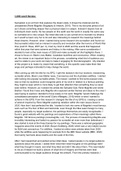
Addiction Revision
Describing Addiction
Key Words:
Addiction: a state characterised by compulsively engaging in rewarding stimuli despite
them potentially causing harm
Physical drug dependence: when an individual needs to take the drug to feel ‘normal;.
Withdrawal symptoms occur in the absence of the drug
Psychological drug dependence: When a drug becomes a central part of an individual’s
thoughts and emotions, resulting in a strong urge to use the drug
Tolerance: When an individual no longer responds to a drug in the same way so larger
doses are taken to get the desired effects
Withdrawal syndrome: Occurs when an individual is physically dependent on a drug and
they are not on it. The symptoms are shaking, and anxiety due and are due to the body
trying to deal with the absence of the drug
Addiction: a state characterised by compulsively engaging in rewarding stimuli despite
them potentially causing harm. What you are addicted to becomes a central part of your
thought process.
Addiction is marked by a change in behaviour caused by the biochemical changes in
the brain after continued substance abuse. Substance use becomes the main priority and
thought process of an addict, regardless of the harm they may cause to themselves or
others. Addiction causes people to act irrationally when they don’t have the substance they
are addicted to in their system.
Study 1: Rat Park
Professor Alexander
Lab study
Condition 1:
- Solo rat in a cage
- Nothing else in the cage
- Given the choice of normal water and water laced with heroin/cocaine
- Always drank from the drugged water and drank so much it eventually killed itself
Condition 2:
- A group of rats - “Rat Park”
- Had slides, colourful balls and lots of rats and were free to do what they wanted
- Still had the choice of normal or drugged water
, - Always chose the normal water as they were able to connect and socialise with each
other
Conclusion:
Traditional theories such as chemical hooks cannot explain these studies. Therefore
addiction is based on the connections that someone makes, their families and the company
they are in. This shows that addiction is not only due to biological factors but due to a lack of
meaningful connections. This also means that therapy should be focused on increasing
connections, by getting addicts to feel a part of a community and not segregating/isolating
them (e.g. community work - planting trees - so they feel that they are part of the
community).
Dependence: a person needs a drug to function normally and feels a state of withdrawal
without the presence of the drug. Dependence can lead to addiction.
When people use the term “dependence,” they are usually referring to a physical
dependence on a substance. Dependence is characterised by the symptoms of tolerance
and withdrawal. While it is possible to have a physical dependence without being addicted,
addiction is usually right around the corner.
Physical drug dependence:
● Individuals can become physically dependent on illegal drugs such as heroin as well
as legally prescribed drugs such as Valium as well as easy to get hold of drugs like
caffeine
● An individual will be physically dependent on a drug when they need to take the drug
to feel “normal”
● Withdrawal syndrome will occur in the absence of the drug
● Physical dependence is also accompanied by tolerance
Psychological dependence:
● Psychological drug dependence is when a drug becomes a central part of an
individual’s thoughts and emotions, resulting in a strong urge to use the drug. E.g.
cannabis (may not be a physical dependence)
● Psychological dependence may arise from non-physical actions such as gambling.
Psychological habits are very hard to change as the habits and the rewards they
sometimes bring have become such a fundamental part of the individual's routine.
Cravings:
● Both physical and psychological addiction can lead to cravings; “an intense desire to
repeat the experience associated with that particular drug”
● If the person cuts down on that drug, the cravings will intensify and they may
experience high levels of anxiety and have emotional difficulties
● They may feel they cannot cope and they become obsessed with thinking about the
drug or associated behaviours
Why does psychological dependence arise?
People experience differences in what they think and what they feel due to the experience of
2 different processing systems; rational and experiential (Epstein, 1994). The rational system
, operates on perceived cultural norms of reasoning. It is conscious, analytical and emotion-
free. When using this system we are able to work out a rational way to behave. The
experiential system is pre-conscious, automatic and associated with emotion. It drives us to
behave based on how we feel. If we act irrationally then this is a sign that is dominated by
the experiential system.
Tolerance:
● Study of prisoners (1950s) by Isbell et al. (1955)
● A group of prisoners volunteered
● They were administered the same amount of alcohol daily over a 13-week period to
keep them in a constant state of intoxication
● For the first couple of weeks, all the prisoners showed significantly higher changes in
blood alcohol levels and behavioural signs of intoxication BUT these dropped in the
following weeks and the men seemed no longer drunk despite receiving the same
amount of alcohol
● This was due to an increased tolerance for the alcohol (e.g. metabolic tolerance -
there was an increase in the enzymes needed to break down alcohol in the body,
with the result that alcohol was metabolised quicker and so blood-alcohol levels were
reduced) - (e.g. learned tolerance - prisoners learned to cope with the daily demands
of living while under the influence of alcohol and so no longer appeared to be drunk.
Withdrawal syndrome:
● If you stop taking a drug, withdrawal symptoms can occur
● As the effect of the drug wears off the person may experience symptoms such as
increased anxiety, shakiness or trembling, insomnia, irritability or loss of appetite and
headaches
● Withdrawal symptoms are different depending on the drug in question, but what they
all share is their negative impact on the individual, who may then take the drug again
to review these symptoms
● The appearance of withdrawal symptoms is an indication of the person's physical
dependence on that drug
● Withdrawal symptoms occur because of the body's attempt to deal with the absence
of a drug's effects. Withdrawal symptoms are a consequence of the body reacting to
the cessation of the drug
● 2 phases:
○ Acute withdrawal: begins within hours of drug cessation and gradually
resolves after a few weeks. During this stage, the physical cravings that the
addict experiences are intense and persistent, as the body has yet to adjust
to the loss of the drug it had become used to for so long
○ Post-acute withdrawal: can last for months or even years after the person has
stopped taking the drug. This is characterised by emotional and psychological
turmoil as addicts experience alternating periods of dysfunction and near-
normality as the brain slowly re-organises and re-balances itself
Describing Addiction
Key Words:
Addiction: a state characterised by compulsively engaging in rewarding stimuli despite
them potentially causing harm
Physical drug dependence: when an individual needs to take the drug to feel ‘normal;.
Withdrawal symptoms occur in the absence of the drug
Psychological drug dependence: When a drug becomes a central part of an individual’s
thoughts and emotions, resulting in a strong urge to use the drug
Tolerance: When an individual no longer responds to a drug in the same way so larger
doses are taken to get the desired effects
Withdrawal syndrome: Occurs when an individual is physically dependent on a drug and
they are not on it. The symptoms are shaking, and anxiety due and are due to the body
trying to deal with the absence of the drug
Addiction: a state characterised by compulsively engaging in rewarding stimuli despite
them potentially causing harm. What you are addicted to becomes a central part of your
thought process.
Addiction is marked by a change in behaviour caused by the biochemical changes in
the brain after continued substance abuse. Substance use becomes the main priority and
thought process of an addict, regardless of the harm they may cause to themselves or
others. Addiction causes people to act irrationally when they don’t have the substance they
are addicted to in their system.
Study 1: Rat Park
Professor Alexander
Lab study
Condition 1:
- Solo rat in a cage
- Nothing else in the cage
- Given the choice of normal water and water laced with heroin/cocaine
- Always drank from the drugged water and drank so much it eventually killed itself
Condition 2:
- A group of rats - “Rat Park”
- Had slides, colourful balls and lots of rats and were free to do what they wanted
- Still had the choice of normal or drugged water
, - Always chose the normal water as they were able to connect and socialise with each
other
Conclusion:
Traditional theories such as chemical hooks cannot explain these studies. Therefore
addiction is based on the connections that someone makes, their families and the company
they are in. This shows that addiction is not only due to biological factors but due to a lack of
meaningful connections. This also means that therapy should be focused on increasing
connections, by getting addicts to feel a part of a community and not segregating/isolating
them (e.g. community work - planting trees - so they feel that they are part of the
community).
Dependence: a person needs a drug to function normally and feels a state of withdrawal
without the presence of the drug. Dependence can lead to addiction.
When people use the term “dependence,” they are usually referring to a physical
dependence on a substance. Dependence is characterised by the symptoms of tolerance
and withdrawal. While it is possible to have a physical dependence without being addicted,
addiction is usually right around the corner.
Physical drug dependence:
● Individuals can become physically dependent on illegal drugs such as heroin as well
as legally prescribed drugs such as Valium as well as easy to get hold of drugs like
caffeine
● An individual will be physically dependent on a drug when they need to take the drug
to feel “normal”
● Withdrawal syndrome will occur in the absence of the drug
● Physical dependence is also accompanied by tolerance
Psychological dependence:
● Psychological drug dependence is when a drug becomes a central part of an
individual’s thoughts and emotions, resulting in a strong urge to use the drug. E.g.
cannabis (may not be a physical dependence)
● Psychological dependence may arise from non-physical actions such as gambling.
Psychological habits are very hard to change as the habits and the rewards they
sometimes bring have become such a fundamental part of the individual's routine.
Cravings:
● Both physical and psychological addiction can lead to cravings; “an intense desire to
repeat the experience associated with that particular drug”
● If the person cuts down on that drug, the cravings will intensify and they may
experience high levels of anxiety and have emotional difficulties
● They may feel they cannot cope and they become obsessed with thinking about the
drug or associated behaviours
Why does psychological dependence arise?
People experience differences in what they think and what they feel due to the experience of
2 different processing systems; rational and experiential (Epstein, 1994). The rational system
, operates on perceived cultural norms of reasoning. It is conscious, analytical and emotion-
free. When using this system we are able to work out a rational way to behave. The
experiential system is pre-conscious, automatic and associated with emotion. It drives us to
behave based on how we feel. If we act irrationally then this is a sign that is dominated by
the experiential system.
Tolerance:
● Study of prisoners (1950s) by Isbell et al. (1955)
● A group of prisoners volunteered
● They were administered the same amount of alcohol daily over a 13-week period to
keep them in a constant state of intoxication
● For the first couple of weeks, all the prisoners showed significantly higher changes in
blood alcohol levels and behavioural signs of intoxication BUT these dropped in the
following weeks and the men seemed no longer drunk despite receiving the same
amount of alcohol
● This was due to an increased tolerance for the alcohol (e.g. metabolic tolerance -
there was an increase in the enzymes needed to break down alcohol in the body,
with the result that alcohol was metabolised quicker and so blood-alcohol levels were
reduced) - (e.g. learned tolerance - prisoners learned to cope with the daily demands
of living while under the influence of alcohol and so no longer appeared to be drunk.
Withdrawal syndrome:
● If you stop taking a drug, withdrawal symptoms can occur
● As the effect of the drug wears off the person may experience symptoms such as
increased anxiety, shakiness or trembling, insomnia, irritability or loss of appetite and
headaches
● Withdrawal symptoms are different depending on the drug in question, but what they
all share is their negative impact on the individual, who may then take the drug again
to review these symptoms
● The appearance of withdrawal symptoms is an indication of the person's physical
dependence on that drug
● Withdrawal symptoms occur because of the body's attempt to deal with the absence
of a drug's effects. Withdrawal symptoms are a consequence of the body reacting to
the cessation of the drug
● 2 phases:
○ Acute withdrawal: begins within hours of drug cessation and gradually
resolves after a few weeks. During this stage, the physical cravings that the
addict experiences are intense and persistent, as the body has yet to adjust
to the loss of the drug it had become used to for so long
○ Post-acute withdrawal: can last for months or even years after the person has
stopped taking the drug. This is characterised by emotional and psychological
turmoil as addicts experience alternating periods of dysfunction and near-
normality as the brain slowly re-organises and re-balances itself