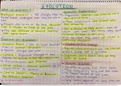
Nature, forms and potential impacts of natural hazards
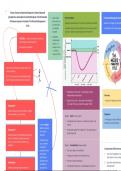
(geophysical, atmospheric and hydrological). The Park model • park model The Park Model The Hazard Management Cycl
of human response to hazards. The Hazard Management also works as
:graphical representation of human responses to hazards :outlines the stages of respond
Cycle. a control line
to compare =model shows the steps carried out in the recovery after =showing how the same stages
hazards a hazard - giving a rough indication of time frame
• extremely
HAZARD! = events that has the potential to
catastrophic
harm people and their property
hazard = a
[human/natural hazard] steeper curve
+ a slower
recovery time
event will only become a hazard when it is a
threat to people
[E.G. if a hurricane hit an uninhabited desert
island it would not be classed as a hazard]
• steepness of the curve = how quickly an area
deteriorates and recovers Recovery
• depth of the curve = the scale of the disaster = long-term responses (restor
(i.e. lower the curve, lower the quality of life)
Geophysical
hazards caused by land processes, majorly
tectonic plates (e.g. volcanoes) Mitigation
Stage 1 - Relief (hours-days)
= strategies to lessen effects
• Immediate local response - medical aid, search and
developed, observatories)
hazards should rescue
not be confused
Atmospheric • Immediate appeal for foreign aid - the beginnings of
with natural
global response
hazards caused by atmospheric processes disasters.
and the conditions created because of
a disaster only
these, such as weather systems (e.g.
occurs when a
wildfires) Stage 2 - Rehabilitation (days-weeks)
vulnerable
Evaluating the Effectiveness
population (one • Services begin to be restored
that will be 1. Can they be applied to ev
• Temporary shelters and hospitals set up
significantly and require a more compl
disrupted and • Food and water distributed
Hydrological 2. Does the model take any
damaged) is
• Coordinated foreign aid - peacekeeping forces etc. development?
hazards caused by water bodies and exposed to a
, experience
wealth Aspects of Hazards and How They Affect Human Responses
• one who has experienced more hazards
• wealthier people may perceive a hazard Every hazardous event varies in terms of:
may be more likely to understand the
to be smaller as they are less vulnerable
full effects of a hazard • location
- they have the ability to evacuate with
transport access, build stronger houses • studies suggesting that people who • frequency
etc. have experienced hazards are likely to
• strength
have an optimistic and unrealistic
• wealthier people may also view a risk as
outlook on future hazards >These aspects of a natural event create different types of hazards, and influence how people re
greater as there is more risk of property
damage and financial loss than
someone less wealthy
INCIDENCE
hazard perception
frequency of a hazard
• different viewpoints of how dangerous
education
hazards are and what risk they pose • Low incidence hazards may be harder to predict and have less management strategies pu
• person who is more educated about catastrophic when it does eventually occur
• perceptions are dependent on lifestyle
hazards may understand their full
factors - economic and cultural • >Also, low incidence hazards are usually (but not always) more intense than high incidenc
effects on people and how devastating
elements
they can be and have been in the past
• ones who are less educated may not
understand the full extent of a hazard DISTRIBUTION
and may not evacuate etc.
religion and beliefs where hazards occur geographically
• one may view hazards as put there by • Areas of high hazard distribution = likely to have a lot of management strategies
God for a reason or being part of the
• Those living there will be adapted to the hazardous landscape because it dominates the
mobility natural cycle of life - may not perceive
them to be negative
• ones who have limited access to
escape a hazard may perceive hazards • those who believe strongly in
to be greater threats than they are environmental conservation - perceive INTENSITY
hazards to be a huge risk to the natural
• those who cannot easily leave an area the power of a hazard i.e. how strong it is and how damaging the effects are
environment [esp. hazards that are
quickly may feel more at risk
becoming more frequent due to global
warming]
MAGNITUDE
Human Responses to Hazards
the size of the hazard, usually this is how a hazard’s intensity is measured
Mitigation = strategies carried out to lessen
Hazards can be responded to in a passive
the severity of a hazard (e.g. sandbags to • High magnitude, high intensity hazards = worse effects = will require more management
way (making no effort to lessen a hazard) or
offset impact of flooding). needed to lessen the effects and ensure a relatively normal life can be carried out after]
in an active way
Management = coordinated strategies to
Prediction = using scientific research & past LEVEL OF DEVELOPMENT
reduce a hazard’s effects - includes
events in order to know when a hazard will
prediction, adaptation, mitigation. economic development
take place - warnings can be delivered -
(geophysical, atmospheric and hydrological). The Park model • park model The Park Model The Hazard Management Cycl
of human response to hazards. The Hazard Management also works as
:graphical representation of human responses to hazards :outlines the stages of respond
Cycle. a control line
to compare =model shows the steps carried out in the recovery after =showing how the same stages
hazards a hazard - giving a rough indication of time frame
• extremely
HAZARD! = events that has the potential to
catastrophic
harm people and their property
hazard = a
[human/natural hazard] steeper curve
+ a slower
recovery time
event will only become a hazard when it is a
threat to people
[E.G. if a hurricane hit an uninhabited desert
island it would not be classed as a hazard]
• steepness of the curve = how quickly an area
deteriorates and recovers Recovery
• depth of the curve = the scale of the disaster = long-term responses (restor
(i.e. lower the curve, lower the quality of life)
Geophysical
hazards caused by land processes, majorly
tectonic plates (e.g. volcanoes) Mitigation
Stage 1 - Relief (hours-days)
= strategies to lessen effects
• Immediate local response - medical aid, search and
developed, observatories)
hazards should rescue
not be confused
Atmospheric • Immediate appeal for foreign aid - the beginnings of
with natural
global response
hazards caused by atmospheric processes disasters.
and the conditions created because of
a disaster only
these, such as weather systems (e.g.
occurs when a
wildfires) Stage 2 - Rehabilitation (days-weeks)
vulnerable
Evaluating the Effectiveness
population (one • Services begin to be restored
that will be 1. Can they be applied to ev
• Temporary shelters and hospitals set up
significantly and require a more compl
disrupted and • Food and water distributed
Hydrological 2. Does the model take any
damaged) is
• Coordinated foreign aid - peacekeeping forces etc. development?
hazards caused by water bodies and exposed to a
, experience
wealth Aspects of Hazards and How They Affect Human Responses
• one who has experienced more hazards
• wealthier people may perceive a hazard Every hazardous event varies in terms of:
may be more likely to understand the
to be smaller as they are less vulnerable
full effects of a hazard • location
- they have the ability to evacuate with
transport access, build stronger houses • studies suggesting that people who • frequency
etc. have experienced hazards are likely to
• strength
have an optimistic and unrealistic
• wealthier people may also view a risk as
outlook on future hazards >These aspects of a natural event create different types of hazards, and influence how people re
greater as there is more risk of property
damage and financial loss than
someone less wealthy
INCIDENCE
hazard perception
frequency of a hazard
• different viewpoints of how dangerous
education
hazards are and what risk they pose • Low incidence hazards may be harder to predict and have less management strategies pu
• person who is more educated about catastrophic when it does eventually occur
• perceptions are dependent on lifestyle
hazards may understand their full
factors - economic and cultural • >Also, low incidence hazards are usually (but not always) more intense than high incidenc
effects on people and how devastating
elements
they can be and have been in the past
• ones who are less educated may not
understand the full extent of a hazard DISTRIBUTION
and may not evacuate etc.
religion and beliefs where hazards occur geographically
• one may view hazards as put there by • Areas of high hazard distribution = likely to have a lot of management strategies
God for a reason or being part of the
• Those living there will be adapted to the hazardous landscape because it dominates the
mobility natural cycle of life - may not perceive
them to be negative
• ones who have limited access to
escape a hazard may perceive hazards • those who believe strongly in
to be greater threats than they are environmental conservation - perceive INTENSITY
hazards to be a huge risk to the natural
• those who cannot easily leave an area the power of a hazard i.e. how strong it is and how damaging the effects are
environment [esp. hazards that are
quickly may feel more at risk
becoming more frequent due to global
warming]
MAGNITUDE
Human Responses to Hazards
the size of the hazard, usually this is how a hazard’s intensity is measured
Mitigation = strategies carried out to lessen
Hazards can be responded to in a passive
the severity of a hazard (e.g. sandbags to • High magnitude, high intensity hazards = worse effects = will require more management
way (making no effort to lessen a hazard) or
offset impact of flooding). needed to lessen the effects and ensure a relatively normal life can be carried out after]
in an active way
Management = coordinated strategies to
Prediction = using scientific research & past LEVEL OF DEVELOPMENT
reduce a hazard’s effects - includes
events in order to know when a hazard will
prediction, adaptation, mitigation. economic development
take place - warnings can be delivered -