Idealism
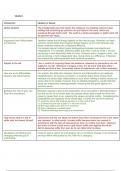
introduction Idealism is flawed
Define idealism The immaterialist view that rejects the existence of a material external world,
holding that everything we perceive are just ideas in the mind, which are
sustained through God's mind. The world is a divine perception in God's mind. All
we perceive are ideas.
Arguments from hallucination -idealism states that all things depend on the mind to exist. However our basic
and illusions common sense states that imagined things depend on the mind whereas real
things (material objects are completely different).
It is unclear how an indirect realist distinguishes between real objects and
imaginations. For example, Berkeley states that when i look at a tree, i am just
perceiving a mind dependent idea of a tree. However when i imagine a tree, i am
just perceiving a mind independent idea. Surely there is a difference. If illusions
are subjectively indistinguishable from veridical perception.
Subject to the will I am in control of conjuring these into existence, whereas my perceptions are not
subject to my will. Whenever I imagine a tree, it is far more vivid than when I
actually perceive a tree. (involuntary nature of experience- use Locke's example).
How are we to differentiate For realists, the distinction between illusions and hallucinations are relatively
illusions and hallucinations straightforward, as illusions correlate to a material object (bent straw) which
misleads our sense data. Hallucinations occur when nothing in reality causes our
sense data to be misled. However from an idealist perspective, would hold that
these are subjectively indistinguishable, meaning that this goes against our
common sense.
Berkeley the role of god- can Berkeleys appeal to god as the explanation of our perceptions. Berkeley believe
God have sensations that the source of our sense data can posses sense data ourself and have the
power to cause them in us, meaning the cause cannot be matter. Considering the
predictability and regularity of our sense data, it shows the source is external.
P1. berkeley claims that what we perceive is in the mind of God
C1.it follows that the idea of pain is in the mind of God
P2.But if god suffers pain then he is imperfect
P3.God is defined as a perfect being
C2.Therefore Berkleys views lead to a contradiction
God knows what it is like to God knows and has our ideas but doesnt have them conveyed to him in the same
suffer pain but doesnt himself way (senses). In other words, humans suffer because pains are caused in
accordance with the laws of natureand we have no control over them. However
god does not have a body and so god doesnt suffer pain against his will.he
cannot passivley suffer from pain as he can determine his ideas.
Sensations are fleeting and However god is said to be unchanging, yet our emotions change. If our emotions
changing whereas god in are kept within him/caused by him, then he is changing
unchanging
introduction Idealism is flawed
Define idealism The immaterialist view that rejects the existence of a material external world,
holding that everything we perceive are just ideas in the mind, which are
sustained through God's mind. The world is a divine perception in God's mind. All
we perceive are ideas.
Arguments from hallucination -idealism states that all things depend on the mind to exist. However our basic
and illusions common sense states that imagined things depend on the mind whereas real
things (material objects are completely different).
It is unclear how an indirect realist distinguishes between real objects and
imaginations. For example, Berkeley states that when i look at a tree, i am just
perceiving a mind dependent idea of a tree. However when i imagine a tree, i am
just perceiving a mind independent idea. Surely there is a difference. If illusions
are subjectively indistinguishable from veridical perception.
Subject to the will I am in control of conjuring these into existence, whereas my perceptions are not
subject to my will. Whenever I imagine a tree, it is far more vivid than when I
actually perceive a tree. (involuntary nature of experience- use Locke's example).
How are we to differentiate For realists, the distinction between illusions and hallucinations are relatively
illusions and hallucinations straightforward, as illusions correlate to a material object (bent straw) which
misleads our sense data. Hallucinations occur when nothing in reality causes our
sense data to be misled. However from an idealist perspective, would hold that
these are subjectively indistinguishable, meaning that this goes against our
common sense.
Berkeley the role of god- can Berkeleys appeal to god as the explanation of our perceptions. Berkeley believe
God have sensations that the source of our sense data can posses sense data ourself and have the
power to cause them in us, meaning the cause cannot be matter. Considering the
predictability and regularity of our sense data, it shows the source is external.
P1. berkeley claims that what we perceive is in the mind of God
C1.it follows that the idea of pain is in the mind of God
P2.But if god suffers pain then he is imperfect
P3.God is defined as a perfect being
C2.Therefore Berkleys views lead to a contradiction
God knows what it is like to God knows and has our ideas but doesnt have them conveyed to him in the same
suffer pain but doesnt himself way (senses). In other words, humans suffer because pains are caused in
accordance with the laws of natureand we have no control over them. However
god does not have a body and so god doesnt suffer pain against his will.he
cannot passivley suffer from pain as he can determine his ideas.
Sensations are fleeting and However god is said to be unchanging, yet our emotions change. If our emotions
changing whereas god in are kept within him/caused by him, then he is changing
unchanging