Chapter 8: The sans-culottes and the collapse of the constitutional experiment
The sans-culottes
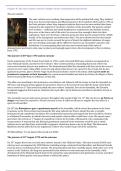
The sans-culottes were working-class supporters of the political left-wing. They idolised
their own ‘heroes’ like Danton and Marat and met in the Cordeliers Club (and by 1792, in
the Paris sections) where they supported policies that were far more radical than those
proposed by the majority of ‘moderate’ members of the Assembly. The greater number
were artisans – craftsmen and small shopkeepers, seamstresses and laundry women,
they were at the lower end of the scale, but were not low enough to have lost their
aspirations. They were far from a cohesive group, but they shared a hatred of the ‘selfish
wealth’ of the bourgeoisie and aristocratic elites. The sans-culottes lived by their hands
and life was apt to revolve around the price of bread; the slightest imbalance of wages
and cost of living could make all the difference between an ‘acceptable’ existence and
destitution. It is unsurprising that such men and women formed the mobs of
demonstrators and rioters who came to plan an increasingly major role in the development of the revolution
from 1792.
The journée of 20th June 1792 and its outcome
On the anniversary of the Tennis Court Oath, in 1792, a mob of around 8000 sans-culottes, accompanied by
some National Guards, marched to the Tuileries. They carried petitions, demanding that Louis redrew his
vetoes and reinstate his pro-war ministers. The demonstration filled the Assembly with fear, but in the event, it
turned out to be quite a limp affair. Louis not only allowed his doors to be opened to the crowds, but he also
appeared in person, place a bonnet rouge on his head and drank a toast to the nation. Although he made no
promises in response to their demands, the crowd seemed satisfied and when the Pétion, the Mayor of Paris,
arrived to persuade them to withdraw, so they did.
The affair was unsettling to the moderates, nevertheless, and Lafayette left his troops to visit the Assembly on
28th June, and demand action against the protesters. However, the arrival of news that the Army of the North
was in retreat on 2nd July seemed to justify the sans-culottes’ demands. Even in the Assembly, the Girondin
Vergniaud suggested that Louis be ‘abdicated his royal office’ by his behaviour and that he should be forced to
step down.
The Assembly was put under great pressure throughout the month of July. On 11 th July, the decree La Patrie en
danger was issued in response to French reverses in war. It called on all men to support the war effort in a
spirit of self-sacrifice.
On 29th July Robespierre gave a passionate speech in the Assembly, which echoed the opinion in the Paris
Commune, in the Paris sections and among the left-wing radicals, the France should become a republic.
Robespierre had completely lost faith in the constitutional monarchy and argued that there should be election
to a National Convention, in which both active and passive citizens alike would have a vote. His speech came
just before the arrival on 1st August of a manifesto written by the Duke of Brunswick, who commanded the
enemy armies. It warned that any National guardsman captured by the Austrians would be put to death
without mercy and that Paris would suffer vengeance, should any harm come to the King. This Brunswick
Manifesto merely added fuel to the arguments of those who wanted to get rid of the monarchy.
The Marseillaise: “Let an impure blood soak our fields”
The journée of 10th August 1792 and its outcome
On 10th August there was a second sans-culottes’ march to the Tuileries Palace. This time around 20,000 cans-
culottes were accompanied by 2000 fédérés (including a large continent from Marseilles) and National Guards
from the more revolutionary Paris sections. The demonstration had been carefully planne. Both sides were well
armed. At the Tuileries, the King was persuaded by his advisers to seek sanctuary in the Assembly, while
detachments of the National Guards loyal to the monarchy, some gendarmes and ‘gentlemen-at-arms’ and three
battalions of Swiss guards took up positions to defend the palace.
The sans-culottes
The sans-culottes were working-class supporters of the political left-wing. They idolised
their own ‘heroes’ like Danton and Marat and met in the Cordeliers Club (and by 1792, in
the Paris sections) where they supported policies that were far more radical than those
proposed by the majority of ‘moderate’ members of the Assembly. The greater number
were artisans – craftsmen and small shopkeepers, seamstresses and laundry women,
they were at the lower end of the scale, but were not low enough to have lost their
aspirations. They were far from a cohesive group, but they shared a hatred of the ‘selfish
wealth’ of the bourgeoisie and aristocratic elites. The sans-culottes lived by their hands
and life was apt to revolve around the price of bread; the slightest imbalance of wages
and cost of living could make all the difference between an ‘acceptable’ existence and
destitution. It is unsurprising that such men and women formed the mobs of
demonstrators and rioters who came to plan an increasingly major role in the development of the revolution
from 1792.
The journée of 20th June 1792 and its outcome
On the anniversary of the Tennis Court Oath, in 1792, a mob of around 8000 sans-culottes, accompanied by
some National Guards, marched to the Tuileries. They carried petitions, demanding that Louis redrew his
vetoes and reinstate his pro-war ministers. The demonstration filled the Assembly with fear, but in the event, it
turned out to be quite a limp affair. Louis not only allowed his doors to be opened to the crowds, but he also
appeared in person, place a bonnet rouge on his head and drank a toast to the nation. Although he made no
promises in response to their demands, the crowd seemed satisfied and when the Pétion, the Mayor of Paris,
arrived to persuade them to withdraw, so they did.
The affair was unsettling to the moderates, nevertheless, and Lafayette left his troops to visit the Assembly on
28th June, and demand action against the protesters. However, the arrival of news that the Army of the North
was in retreat on 2nd July seemed to justify the sans-culottes’ demands. Even in the Assembly, the Girondin
Vergniaud suggested that Louis be ‘abdicated his royal office’ by his behaviour and that he should be forced to
step down.
The Assembly was put under great pressure throughout the month of July. On 11 th July, the decree La Patrie en
danger was issued in response to French reverses in war. It called on all men to support the war effort in a
spirit of self-sacrifice.
On 29th July Robespierre gave a passionate speech in the Assembly, which echoed the opinion in the Paris
Commune, in the Paris sections and among the left-wing radicals, the France should become a republic.
Robespierre had completely lost faith in the constitutional monarchy and argued that there should be election
to a National Convention, in which both active and passive citizens alike would have a vote. His speech came
just before the arrival on 1st August of a manifesto written by the Duke of Brunswick, who commanded the
enemy armies. It warned that any National guardsman captured by the Austrians would be put to death
without mercy and that Paris would suffer vengeance, should any harm come to the King. This Brunswick
Manifesto merely added fuel to the arguments of those who wanted to get rid of the monarchy.
The Marseillaise: “Let an impure blood soak our fields”
The journée of 10th August 1792 and its outcome
On 10th August there was a second sans-culottes’ march to the Tuileries Palace. This time around 20,000 cans-
culottes were accompanied by 2000 fédérés (including a large continent from Marseilles) and National Guards
from the more revolutionary Paris sections. The demonstration had been carefully planne. Both sides were well
armed. At the Tuileries, the King was persuaded by his advisers to seek sanctuary in the Assembly, while
detachments of the National Guards loyal to the monarchy, some gendarmes and ‘gentlemen-at-arms’ and three
battalions of Swiss guards took up positions to defend the palace.