OTHELLO
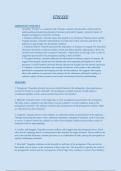
ARISTOTLE’S POETICS
- Aristotle's "Poetics" is a seminal work of literary criticism that provides a framework for
understanding and analysing dramatic literature, particularly tragedy. Aristotle's theory of
tragedy encompasses several key elements:
- 1. Imitation (Mimesis): Aristotle argues that tragedy is an imitation of human action and life.
Tragedy presents a fictional representation of events that evokes emotions and allows the
audience to gain insight into the human condition.
- 3. Character (Ethos): Aristotle discusses the importance of character in tragedy. He states that
characters should be consistent and have moral and ethical qualities appropriate to their role.
Aristotle also introduces the concept of "hamartia," which refers to the tragic flaw or error in
judgement possessed by the protagonist, leading to their downfall.
- 4. Thought (Dianoia): Aristotle addresses the intellectual or thematic aspects of tragedy. He
suggests that tragedy should provoke thought and raise important philosophical or moral
questions. It should explore universal themes and provide insights into the human experience.
- 6. Catharsis: Aristotle introduces the concept of catharsis, which refers to the emotional
purification or purgation that tragedy provides for the audience. He suggests that tragedy
allows the audience to experience fear and pity for the characters, ultimately leading to a
cathartic release of these emotions and a sense of emotional relief or understanding.
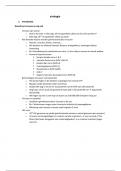
TRAGEDY
1. Protagonist: Tragedies typically focus on a central character, the protagonist, who experiences a
reversal of fortune or a tragic downfall. The protagonist is usually a person of high status or
exceptional qualities, whose actions and decisions drive the narrative.
2. Hamartia: Hamartia refers to the tragic flaw or error in judgement possessed by the protagonist.
This flaw, often a character trait like hubris (excessive pride) or a moral weakness, leads to the
protagonist's downfall. The audience witnesses the consequences of the protagonist's actions, which
are often driven by their hamartia.
3. Catharsis: Tragedy aims to evoke catharsis, an emotional release or purification for the audience.
Through witnessing the tragic events, audiences experience a purging of emotions, such as fear, pity,
or sorrow. Catharsis allows the audience to reflect on the human condition and provides a sense of
emotional relief or understanding.
4. Conflict and Struggle: Tragedies present conflicts and struggles that the protagonist faces, which
often involve opposing forces or circumstances that intensify the tragic elements. These conflicts can
arise from internal dilemmas, external pressures, or a combination of both, placing the protagonist in
morally challenging situations.
5. Downfall: Tragedies culminate in the downfall or suffering of the protagonist. This can involve
their death, loss of status, or the realisation of their tragic fate. The downfall is typically the result of
the protagonist's actions and the consequences of their tragic flaw, leading to a sense of inevitability.
ARISTOTLE’S POETICS
- Aristotle's "Poetics" is a seminal work of literary criticism that provides a framework for
understanding and analysing dramatic literature, particularly tragedy. Aristotle's theory of
tragedy encompasses several key elements:
- 1. Imitation (Mimesis): Aristotle argues that tragedy is an imitation of human action and life.
Tragedy presents a fictional representation of events that evokes emotions and allows the
audience to gain insight into the human condition.
- 3. Character (Ethos): Aristotle discusses the importance of character in tragedy. He states that
characters should be consistent and have moral and ethical qualities appropriate to their role.
Aristotle also introduces the concept of "hamartia," which refers to the tragic flaw or error in
judgement possessed by the protagonist, leading to their downfall.
- 4. Thought (Dianoia): Aristotle addresses the intellectual or thematic aspects of tragedy. He
suggests that tragedy should provoke thought and raise important philosophical or moral
questions. It should explore universal themes and provide insights into the human experience.
- 6. Catharsis: Aristotle introduces the concept of catharsis, which refers to the emotional
purification or purgation that tragedy provides for the audience. He suggests that tragedy
allows the audience to experience fear and pity for the characters, ultimately leading to a
cathartic release of these emotions and a sense of emotional relief or understanding.
TRAGEDY
1. Protagonist: Tragedies typically focus on a central character, the protagonist, who experiences a
reversal of fortune or a tragic downfall. The protagonist is usually a person of high status or
exceptional qualities, whose actions and decisions drive the narrative.
2. Hamartia: Hamartia refers to the tragic flaw or error in judgement possessed by the protagonist.
This flaw, often a character trait like hubris (excessive pride) or a moral weakness, leads to the
protagonist's downfall. The audience witnesses the consequences of the protagonist's actions, which
are often driven by their hamartia.
3. Catharsis: Tragedy aims to evoke catharsis, an emotional release or purification for the audience.
Through witnessing the tragic events, audiences experience a purging of emotions, such as fear, pity,
or sorrow. Catharsis allows the audience to reflect on the human condition and provides a sense of
emotional relief or understanding.
4. Conflict and Struggle: Tragedies present conflicts and struggles that the protagonist faces, which
often involve opposing forces or circumstances that intensify the tragic elements. These conflicts can
arise from internal dilemmas, external pressures, or a combination of both, placing the protagonist in
morally challenging situations.
5. Downfall: Tragedies culminate in the downfall or suffering of the protagonist. This can involve
their death, loss of status, or the realisation of their tragic fate. The downfall is typically the result of
the protagonist's actions and the consequences of their tragic flaw, leading to a sense of inevitability.