Types of Businesses
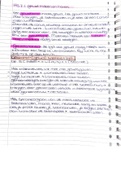
Private Businesses -> Owned by citizens and they are liable for all aspects of the business.
Owners are more likely to take risks as they are in a business to make profit. Private businesses
can be any size and owned by many partners.
Public Businesses -> Owned by the government and belong to the public sector. The government
are liable for the success of the business therefore they are less likely to take risks than
businesses in the private sector as they exist to serve the public.
Not-for-profit Businesses -> Some businesses do not exist to make a profit, but to raise
awareness or to raise money for a cause. These businesses are usually structured in a similar
way with paid staff, but usually only aim to break even and cover running costs.
Liability
- A financial obligation of a company, to its lenders and suppliers
Sectors
- Businesses operate in different sectors according to the nature of their business and the
products or services they provide.
- Businesses are classified as either primary, secondary, tertiary, or quaternary. These are
the four stages of the journeys from sourcing a material to being ready for the customer.
Primary -> This sector sources the raw materials. For example, the farmer milks the cow, fisher
catches the fish.
Secondary -> This sector processes the raw materials produced by the primary sector so they
can be sold on. For example, canning vegetables and cheese (produced by milk).
Tertiary -> This sector provides the supporting services which store and distribute the goods. For
example, Supermarkets or Builders merchant.
Quaternary -> This sector currently accounts for around 75% of the workforce in the UK. For
example, support services and telecommunication.
Private Businesses -> Owned by citizens and they are liable for all aspects of the business.
Owners are more likely to take risks as they are in a business to make profit. Private businesses
can be any size and owned by many partners.
Public Businesses -> Owned by the government and belong to the public sector. The government
are liable for the success of the business therefore they are less likely to take risks than
businesses in the private sector as they exist to serve the public.
Not-for-profit Businesses -> Some businesses do not exist to make a profit, but to raise
awareness or to raise money for a cause. These businesses are usually structured in a similar
way with paid staff, but usually only aim to break even and cover running costs.
Liability
- A financial obligation of a company, to its lenders and suppliers
Sectors
- Businesses operate in different sectors according to the nature of their business and the
products or services they provide.
- Businesses are classified as either primary, secondary, tertiary, or quaternary. These are
the four stages of the journeys from sourcing a material to being ready for the customer.
Primary -> This sector sources the raw materials. For example, the farmer milks the cow, fisher
catches the fish.
Secondary -> This sector processes the raw materials produced by the primary sector so they
can be sold on. For example, canning vegetables and cheese (produced by milk).
Tertiary -> This sector provides the supporting services which store and distribute the goods. For
example, Supermarkets or Builders merchant.
Quaternary -> This sector currently accounts for around 75% of the workforce in the UK. For
example, support services and telecommunication.