F- xplainations attachment
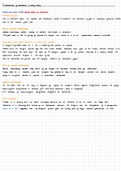
Learning theory
of
:
Dollard Miller ( 19507
Learning theory attachment
and
of
Importance of food
sometimes
'
This explanation formation Children
'
is love because it
called the cupboard emphasises the importance
of food in attachment .
to
feeds them
learn love whoever .
Role
of classical
conditioning
involves to associate two stimuli In attachment :
classical
conditioning learning .
unlearned)
Ucscgooa) leads to UCR (a
feeling of pleasure) this response isn't learned so it is an unconditioned response a (
Baby learns that mother
produces a sense
of pleasure
mother
caregiver Ceg
A NS.ie that
: starts as a :
something produces no
response
However / stimulus
'
provides with So the neutral becomes CS
good
he She becomes
the
caregiver good over time associated
'
, when ,
. a .
Once CR According
conditioning has taken
place the
sight of the
caregiver produces a
of pleasure
. to a
learning theorist ,
the
conditioned pleasure response is the basis love
of
.
becomes
Now an attachment has
formed and the
caregiver an attachment
figure .
Role
of operant conditioning
Operant conditioning explains why babies can building block attachment)
cry for comfort important for
crying leads to a
response from the
caregiver Ceg :
feeding As long as the
caregiver provides the correct response .
is it consequence
crying reinforced because
produces a
pleasurable .
Negative reinforcement
At the same time as the baby is
reinforced for crying , the
caregiver relieves
negative reinforcement because the
crying
stops [
negative reinforcement is escaping from something unpleasant , which is
reinforcing)
This interplay of positive / negative reinforcement strengthens an attachment .
Drive reduction
Hunger innate biological drive
is a
primary drive , an motivator . we are motivated to eat to reduce the
hunger .
Attachment is a
secondary drive learned
by an association between the
caregiver and the
satisfaction of a
primary arrive .
seares et al 1957 suggested that arrive becomes to them
, as
caregivers provide good , the primary of hunger generalised
Learning theory
of
:
Dollard Miller ( 19507
Learning theory attachment
and
of
Importance of food
sometimes
'
This explanation formation Children
'
is love because it
called the cupboard emphasises the importance
of food in attachment .
to
feeds them
learn love whoever .
Role
of classical
conditioning
involves to associate two stimuli In attachment :
classical
conditioning learning .
unlearned)
Ucscgooa) leads to UCR (a
feeling of pleasure) this response isn't learned so it is an unconditioned response a (
Baby learns that mother
produces a sense
of pleasure
mother
caregiver Ceg
A NS.ie that
: starts as a :
something produces no
response
However / stimulus
'
provides with So the neutral becomes CS
good
he She becomes
the
caregiver good over time associated
'
, when ,
. a .
Once CR According
conditioning has taken
place the
sight of the
caregiver produces a
of pleasure
. to a
learning theorist ,
the
conditioned pleasure response is the basis love
of
.
becomes
Now an attachment has
formed and the
caregiver an attachment
figure .
Role
of operant conditioning
Operant conditioning explains why babies can building block attachment)
cry for comfort important for
crying leads to a
response from the
caregiver Ceg :
feeding As long as the
caregiver provides the correct response .
is it consequence
crying reinforced because
produces a
pleasurable .
Negative reinforcement
At the same time as the baby is
reinforced for crying , the
caregiver relieves
negative reinforcement because the
crying
stops [
negative reinforcement is escaping from something unpleasant , which is
reinforcing)
This interplay of positive / negative reinforcement strengthens an attachment .
Drive reduction
Hunger innate biological drive
is a
primary drive , an motivator . we are motivated to eat to reduce the
hunger .
Attachment is a
secondary drive learned
by an association between the
caregiver and the
satisfaction of a
primary arrive .
seares et al 1957 suggested that arrive becomes to them
, as
caregivers provide good , the primary of hunger generalised