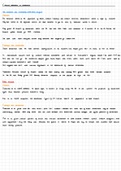
Cultural variations in attachment
Van Uzendoom ( 1988) Meta
and Kronenberg analysis
-
Procedure
The researcher looked at the
proportions of secure , insecure -
avoidant and insecure -
resistant attachments across a
range of countries .
They also looked at the
difference within the same countries to an idea of variations within a culture
get
.
They gonna 32 studies
of attachment where the SS had been used .
These were conducted in 8 continues , 15 in the us .
Overall the
studies results 1990 children
yietea for
.
The being combined and sample
data was meta
analysed results
weighted for size
-
.
,
Findings and conclusions
secure in
attachment was the most common
classification in all countries ,
but ranged from 501 .
in China to 75-1 .
Brittan .
In individualist similar Ainsworth 's Call 14%) but
cultures rates
of insecure resistant attachment were to
original sample under
-
this was not true the collectivist China , Japan and Israel where rates above 25-1 ( and
from
were of
for samples where rates
.
insecure -
avoidant attachment were reduced
This distribution attachment
suggests that there were cultural
differences in the
of insecure .
Variations between results within the
actually 150-1 than those between
of studies same
country were
greater countries
.
.
In us 46%
the , one study found securely attached
compared to one
sample as
high as 901 .
Other studies
Procedure
Simonelli et at ( 2014) assessed 76 babies
aged 12 months in Italy using the SS to whether the
proportion attachment
see
of
types still matched
previous studies in
Italy .
Jin Gold 87 babies to
proportions
et at
compared the attachment
types of Korean in other studies .
Findings and conclusions
Simonelli et al that 50-1 secure with 36-1 avoidant This lower secure attachment be because
gonna were insecure rate
of may
. . - .
,
increasingly mothers work
long hours and use more childcare . This shows that cultural
changes can
effect patterns of attachment .
Jin attachment to within insecure
et al
gonna similar
patterns of secure and insecure other studies .
However
categories
there
differences only one baby avoidant This is similar to
Japan and be because both countries have similar
were was
pattern may
-
.
Chita rearing practices
-
.
Van Uzendoom ( 1988) Meta
and Kronenberg analysis
-
Procedure
The researcher looked at the
proportions of secure , insecure -
avoidant and insecure -
resistant attachments across a
range of countries .
They also looked at the
difference within the same countries to an idea of variations within a culture
get
.
They gonna 32 studies
of attachment where the SS had been used .
These were conducted in 8 continues , 15 in the us .
Overall the
studies results 1990 children
yietea for
.
The being combined and sample
data was meta
analysed results
weighted for size
-
.
,
Findings and conclusions
secure in
attachment was the most common
classification in all countries ,
but ranged from 501 .
in China to 75-1 .
Brittan .
In individualist similar Ainsworth 's Call 14%) but
cultures rates
of insecure resistant attachment were to
original sample under
-
this was not true the collectivist China , Japan and Israel where rates above 25-1 ( and
from
were of
for samples where rates
.
insecure -
avoidant attachment were reduced
This distribution attachment
suggests that there were cultural
differences in the
of insecure .
Variations between results within the
actually 150-1 than those between
of studies same
country were
greater countries
.
.
In us 46%
the , one study found securely attached
compared to one
sample as
high as 901 .
Other studies
Procedure
Simonelli et at ( 2014) assessed 76 babies
aged 12 months in Italy using the SS to whether the
proportion attachment
see
of
types still matched
previous studies in
Italy .
Jin Gold 87 babies to
proportions
et at
compared the attachment
types of Korean in other studies .
Findings and conclusions
Simonelli et al that 50-1 secure with 36-1 avoidant This lower secure attachment be because
gonna were insecure rate
of may
. . - .
,
increasingly mothers work
long hours and use more childcare . This shows that cultural
changes can
effect patterns of attachment .
Jin attachment to within insecure
et al
gonna similar
patterns of secure and insecure other studies .
However
categories
there
differences only one baby avoidant This is similar to
Japan and be because both countries have similar
were was
pattern may
-
.
Chita rearing practices
-
.