Chapter - 7
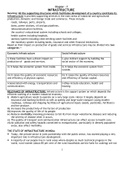
INFRASTRUCTURE
Meaning: All the supporting structures which facilitates development of a country constitute its
infrastructure it provides supporting services in the main areas of industrial and agricultural
production, domestic and foreign trade and commerce. These include:
roads, railways, ports, airports,
dams, power stations, oil and gas pipelines,
telecommunication facilities,
the country’s educational system including schools and colleges,
health system including hospitals,
sanitary system including clean drinking water facilities and
the monetary system including banks, insurance and other financial institutions.
Based on their impact on production of goods and services infrastructure may be divided into two
categories —
Economic Infrastructure Social Infrastructure
i) these facilities have a direct impact on i) give indirect support by building the
production of goods and services. social sector of the economy.
ii) It helps the economic system from inside. ii) It helps the economic system from
outside.
iii) It raises the quality of economic resources iii) It raises the quality of human resources
and efficiency of physical capital. and efficiency of human capital.
iv)associated with energy, transportation and iv)they include education, health and
communication. housing.
RELEVANCE OF INFRASTRUCTURE: Infrastructure is the support system on which depends the
efficient working of a modern industrial economy.
i) Modern agriculture needs to operate on a very large scale. Hence it largely depends on
insurance and banking facilities as well as speedy and large-scale transport (using modern
roadways, railways and shipping facilities) of agricultural inputs (seeds, pesticides, fertilisers)
and the produce.
ii) Increases the productivity of the factors of production
iii) Improves the quality of life of its people.
iv) Reduces morbidity (meaning proneness to fall ill) from major waterborne diseases and reducing
the severity of disease when it occurs.
v) The quality of transport and communication infrastructure can affect access to health care.
vi) Air pollution and safety hazards connected to transportation, particularly in densely populated
areas, also affect morbidity.
THE STATE OF INFRASTRUCTURE IN INDIA:
● Today, the private sector in joint partnership with the public sector, has started playing a very
important role in infrastructure development.
● A majority of our people live in rural areas where despite so much technical progress in the
world, rural women (about 85 per cent of the rural households use bio-fuels for cooking) are not
1
, only still using bio-fuels (crop residues, dung and fuel wood) to meet their
energy requirement but also have to walk long distances to fetch fuel, water and other basic
needs.
● The census 2011 shows that in rural India only 56 per cent households have an electricity
connection and 43 per cent still use kerosene.
● Tap water availability is limited to only 31 percent rural households. About 69 per cent of the
population drinks water from open sources such as wells, tanks, ponds, lakes, rivers, canals,
etc.
● Access to improved sanitation in rural areas was only 30 per cent.
● India invests only 30 percent of its GDP on infrastructure, which is far below that of China and
Indonesia.
● Composition of infrastructure requirements in a country show significant changes as the
income rises. For low-income countries, basic infrastructure services (irrigation, transport and
power) are more important. As economies mature the share of agriculture in the economy
shrinks and more service-related infrastructure (power and telecommunication) is required. It
has been projected that India will become the third biggest economy in the world a few
decades from now. For that to happen, India will have to boost its infrastructure investment.
● Development of infrastructure and economic development go hand in hand.
i) Agriculture depends, to a considerable extent, on the adequate expansion and development
of irrigation facilities.
ii) Industrial progress depends on the development of power and electricity generation,
transport and communications.
iii) Lack of development of infrastructure is likely to act as a severe constraint on economic
development.
HEALTH
Since 2020, due to Covid 19 Pandemic you are aware of the need for keeping our hands washed, wearing
masks and following social distance.
i) Health is not only absence of disease but also the ability to realise one’s potential.
ii) It is a yardstick of one’s well being.
2
INFRASTRUCTURE
Meaning: All the supporting structures which facilitates development of a country constitute its
infrastructure it provides supporting services in the main areas of industrial and agricultural
production, domestic and foreign trade and commerce. These include:
roads, railways, ports, airports,
dams, power stations, oil and gas pipelines,
telecommunication facilities,
the country’s educational system including schools and colleges,
health system including hospitals,
sanitary system including clean drinking water facilities and
the monetary system including banks, insurance and other financial institutions.
Based on their impact on production of goods and services infrastructure may be divided into two
categories —
Economic Infrastructure Social Infrastructure
i) these facilities have a direct impact on i) give indirect support by building the
production of goods and services. social sector of the economy.
ii) It helps the economic system from inside. ii) It helps the economic system from
outside.
iii) It raises the quality of economic resources iii) It raises the quality of human resources
and efficiency of physical capital. and efficiency of human capital.
iv)associated with energy, transportation and iv)they include education, health and
communication. housing.
RELEVANCE OF INFRASTRUCTURE: Infrastructure is the support system on which depends the
efficient working of a modern industrial economy.
i) Modern agriculture needs to operate on a very large scale. Hence it largely depends on
insurance and banking facilities as well as speedy and large-scale transport (using modern
roadways, railways and shipping facilities) of agricultural inputs (seeds, pesticides, fertilisers)
and the produce.
ii) Increases the productivity of the factors of production
iii) Improves the quality of life of its people.
iv) Reduces morbidity (meaning proneness to fall ill) from major waterborne diseases and reducing
the severity of disease when it occurs.
v) The quality of transport and communication infrastructure can affect access to health care.
vi) Air pollution and safety hazards connected to transportation, particularly in densely populated
areas, also affect morbidity.
THE STATE OF INFRASTRUCTURE IN INDIA:
● Today, the private sector in joint partnership with the public sector, has started playing a very
important role in infrastructure development.
● A majority of our people live in rural areas where despite so much technical progress in the
world, rural women (about 85 per cent of the rural households use bio-fuels for cooking) are not
1
, only still using bio-fuels (crop residues, dung and fuel wood) to meet their
energy requirement but also have to walk long distances to fetch fuel, water and other basic
needs.
● The census 2011 shows that in rural India only 56 per cent households have an electricity
connection and 43 per cent still use kerosene.
● Tap water availability is limited to only 31 percent rural households. About 69 per cent of the
population drinks water from open sources such as wells, tanks, ponds, lakes, rivers, canals,
etc.
● Access to improved sanitation in rural areas was only 30 per cent.
● India invests only 30 percent of its GDP on infrastructure, which is far below that of China and
Indonesia.
● Composition of infrastructure requirements in a country show significant changes as the
income rises. For low-income countries, basic infrastructure services (irrigation, transport and
power) are more important. As economies mature the share of agriculture in the economy
shrinks and more service-related infrastructure (power and telecommunication) is required. It
has been projected that India will become the third biggest economy in the world a few
decades from now. For that to happen, India will have to boost its infrastructure investment.
● Development of infrastructure and economic development go hand in hand.
i) Agriculture depends, to a considerable extent, on the adequate expansion and development
of irrigation facilities.
ii) Industrial progress depends on the development of power and electricity generation,
transport and communications.
iii) Lack of development of infrastructure is likely to act as a severe constraint on economic
development.
HEALTH
Since 2020, due to Covid 19 Pandemic you are aware of the need for keeping our hands washed, wearing
masks and following social distance.
i) Health is not only absence of disease but also the ability to realise one’s potential.
ii) It is a yardstick of one’s well being.
2