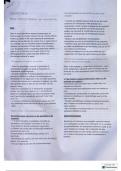
Historian What do these historians What do they think about the Historians
believe in/focus on? Glorious Revolution?
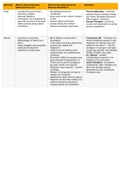
Whig - constitutional government - Re-established ancient - Thomas Macauley - moderate
Scientific progress constitution political divisions between Whigs
- Personal freedoms - King could not act without consent and Tories, bloodless Revolution,
- criticised for not evaluating the of parl. little change to monarchy
past with the terms of the past - Ancient rights/constitution - George Trevelyan - saved the
(often evaluate using present - James II broke the contract country from absolutism by giving
conditions) between sovereign and people power to parliament.
Marxist - centrality of social lass - Bill of Rights is conservative / - Christopher Hill - “Toleration Act
- Methodology of history from declaratory served a political purpose. It was
below - It did restrict the King’s dispensing necessary for national unity and
- Class struggles were propelled powers and created free safety for the regime” - The role
historical development Parliament of religion in local govn and legal
- Sensitive to social power - 1688 is not final settling of the courts was reduced. And believed
political nation to a parliamentary the Bill of Rights was vague
monarchy - A.L. Morton - created
- But before 1688 the monarchy was constitutional monarchy in the
going towards the absolutism of interests of the ruling elite.
France and Louis XIV. (Judging in - Justin Champion - remained a
the past context, the Glorious confessional state. Toleration act
Revolution was important - counter didn’t just exclude obvious
to Whigs) dissenters but also mainstream
- William of Orange did not want to Protestant ones
weaken the monarchy -
agreements made were not radical
- However, the fact they existed is of
relative importance because it
stopped popery and absolutism
believe in/focus on? Glorious Revolution?
Whig - constitutional government - Re-established ancient - Thomas Macauley - moderate
Scientific progress constitution political divisions between Whigs
- Personal freedoms - King could not act without consent and Tories, bloodless Revolution,
- criticised for not evaluating the of parl. little change to monarchy
past with the terms of the past - Ancient rights/constitution - George Trevelyan - saved the
(often evaluate using present - James II broke the contract country from absolutism by giving
conditions) between sovereign and people power to parliament.
Marxist - centrality of social lass - Bill of Rights is conservative / - Christopher Hill - “Toleration Act
- Methodology of history from declaratory served a political purpose. It was
below - It did restrict the King’s dispensing necessary for national unity and
- Class struggles were propelled powers and created free safety for the regime” - The role
historical development Parliament of religion in local govn and legal
- Sensitive to social power - 1688 is not final settling of the courts was reduced. And believed
political nation to a parliamentary the Bill of Rights was vague
monarchy - A.L. Morton - created
- But before 1688 the monarchy was constitutional monarchy in the
going towards the absolutism of interests of the ruling elite.
France and Louis XIV. (Judging in - Justin Champion - remained a
the past context, the Glorious confessional state. Toleration act
Revolution was important - counter didn’t just exclude obvious
to Whigs) dissenters but also mainstream
- William of Orange did not want to Protestant ones
weaken the monarchy -
agreements made were not radical
- However, the fact they existed is of
relative importance because it
stopped popery and absolutism