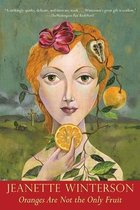
Oranges Are Not The Only Fruit
Introduction
In the introduction we are greeted with one of the characters, that being Jeanette
Winterson herself, and through her character she conveys her story as well as
the sense of fiction that she wishes to create within her novel. Jeanette
Winterson is a 62 year old author that communicates her struggles through the
semi autobiographical fiction of ‘Oranges Are Not The Only Fruit’. The character
in the novel Jeanette is a 16 year old girl that runs away from the restrictions of
her household to discover her true self and her sexuality.
The theme of the novel is autobiographical in the sense that it follows the same
journey in which Winterson herself experienced through her struggles of
adoption and being raised in a pentecostal household. The theme of religion
appears it will be prominent within the novel as well as the theme of
homosexuality.
‘Pentecostal parents who were waiting for Jesus to return’
‘Growing up poor in a poor place’
‘I wanted to use myself as a fictional character – an expanded i’
‘Adopted children are self invented because we have to be’
Winterson begins the novel with a brief explanation of the novel meanings and
her own struggles from writing the novel. Winterson focuses on challenging the
views of the reader through her elaborate questions and vivid explanation. My
first impressions on the novel are intrigued as I wish to discover the difficulties
that Winterson faced from the era as well as the impact religion had on her
sexuality.
Genesis
Jeanette is 7 years old, discovering the meanings and teachings of religion yet
craving further education, further knowledge. Jeanette shows curiosity regarding
the teachings of Christianity and wishes to understand the meanings that the
pastor and her mother make reference to.
Jeanette’s mother is heavily pentecostal as she limits the understandings of
Jeanette and avoids sending her to school. Jeanette’s mother wishes to make
Jeanette a child of god and a missionary of the church, allowing her only to learn
from the holy scripture books and nothing else. She is a forceful conflict driven
woman that limits the world with mixed feelings and adopted Jeanette as she
wishes to be like ‘Virgin Mary’.
Jeanette’s father is barely mentioned or referenced within this chapter, meaning
that he was distant and not close to Jeanette or her mother.
Pastor Finch is a visiting minister at Jeanette’s church. His name suggests that he
resembles a songbird, who simply repeats the tunes taught to him. His outburst
of fiery sermon towards Jeanette over the age of being seven renders him
extreme and ridiculous.
The theme of the first chapter is prominently religion which is evident in the
chapter title ‘Genesis’. The theme of religion is constantly discussed within the
novel as Jeanette’s childhood was solely built around the aspects of religion
rather than anything else. Jeanette’s mother wishes to make Jeanette God’s child
and a missionary for the church which is exaggerated through the education on
Introduction
In the introduction we are greeted with one of the characters, that being Jeanette
Winterson herself, and through her character she conveys her story as well as
the sense of fiction that she wishes to create within her novel. Jeanette
Winterson is a 62 year old author that communicates her struggles through the
semi autobiographical fiction of ‘Oranges Are Not The Only Fruit’. The character
in the novel Jeanette is a 16 year old girl that runs away from the restrictions of
her household to discover her true self and her sexuality.
The theme of the novel is autobiographical in the sense that it follows the same
journey in which Winterson herself experienced through her struggles of
adoption and being raised in a pentecostal household. The theme of religion
appears it will be prominent within the novel as well as the theme of
homosexuality.
‘Pentecostal parents who were waiting for Jesus to return’
‘Growing up poor in a poor place’
‘I wanted to use myself as a fictional character – an expanded i’
‘Adopted children are self invented because we have to be’
Winterson begins the novel with a brief explanation of the novel meanings and
her own struggles from writing the novel. Winterson focuses on challenging the
views of the reader through her elaborate questions and vivid explanation. My
first impressions on the novel are intrigued as I wish to discover the difficulties
that Winterson faced from the era as well as the impact religion had on her
sexuality.
Genesis
Jeanette is 7 years old, discovering the meanings and teachings of religion yet
craving further education, further knowledge. Jeanette shows curiosity regarding
the teachings of Christianity and wishes to understand the meanings that the
pastor and her mother make reference to.
Jeanette’s mother is heavily pentecostal as she limits the understandings of
Jeanette and avoids sending her to school. Jeanette’s mother wishes to make
Jeanette a child of god and a missionary of the church, allowing her only to learn
from the holy scripture books and nothing else. She is a forceful conflict driven
woman that limits the world with mixed feelings and adopted Jeanette as she
wishes to be like ‘Virgin Mary’.
Jeanette’s father is barely mentioned or referenced within this chapter, meaning
that he was distant and not close to Jeanette or her mother.
Pastor Finch is a visiting minister at Jeanette’s church. His name suggests that he
resembles a songbird, who simply repeats the tunes taught to him. His outburst
of fiery sermon towards Jeanette over the age of being seven renders him
extreme and ridiculous.
The theme of the first chapter is prominently religion which is evident in the
chapter title ‘Genesis’. The theme of religion is constantly discussed within the
novel as Jeanette’s childhood was solely built around the aspects of religion
rather than anything else. Jeanette’s mother wishes to make Jeanette God’s child
and a missionary for the church which is exaggerated through the education on