8.10.19
L2 – Sericulture: silkworms and mulberries
Keywords:
Univoltine (produce one clutch per year – 1 gen), Bivoltine (2 gens per year - ), multivoltine (tropical
multiple gens per year), horizontal transmission (between individuals), vertical transmission
(between generations)
Lecture:
Moths: Lepidoptera (complete metamorphosis)
Cocoons made of silk and used for larvae ballooning (harvested from wild)
o Pus moth – regurgitative wood to make cocoons (camo/protective)
o Silkworm – fiberglass style protective cocoon
o 1 silk thread holds pupae to twig
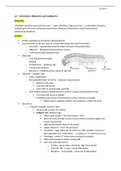
Body plan
o True legs hold food while
feeding
o Protuberance – produces silk
o 3 segmented antenna True legs Prolegs (on Anal clasper
o Spinneret = modified salivary gland to spin silk abdomen)
Silkworm – Bombyx mori
o Order: Lepidopteta
o Domesticated (bred to not fly – improper wing muscles)
Bred for 5.5k years
Commercially docile
Farm 90% of commercially used silk
o Wild relative Bombyx mandarina from China (1 unique domestication event)
First dyed silK found at 3600BC
Forbidden expressing of information to other counties or penalty
Boiled pupa in alkaline solution and removing = single silk string
Sericulture
o 3 things to happen (women’s job)
Produce silk cocoons for reeling
Industry one: Produce eggs
When pupa weight = 75% and cocoon = 25%
Don’t let moth emerge as then cocoon broken to break singular silk
strand (unused silk)
High density growth (have to be social)
Larger silkworm = more silk produced
Univoltine – eggs hibernate all winter (in wild), bivoltine (temp and
light dependent) or multivoltine – ↓ quality w/↑# clutches per year
Montages – where 5th instar larva are placed to pupate
Hibernation produces better quality silks
How to break hibernation?
o Friction, warm water, electricity, high temp tested
o 15% HCl, 46֯C, 5 mins = break hibernation
o Bivoltine - ↑temp/light = come out of hibernation
, 8.10.19
Attempted adaptations: ↑ silk yield, ↓ mortality, ↑ disease
resistance, temp, humidity, ∆ diet (artificial – mulberry = seasonal)
Industry two: Pupae killed – buy in new eggs
Newly hatched larva = ants
Pupae not killed in A. assamensis as have built in-exit hole
Instar larvae (kept at 27C in first stage)
o Also keep moist (stops caterpillars drying up)
Drop a degree per stage (↑ body heat produced)
4th instar = grown worms
5th instar = gain 80% body mass (at 3/4 weeks)
How to rear silkworms
o Brushing – slowly giving new mulberry leaves
o Keep warm when small
o Keep alone when ill looking = about to molt
o Don’t touch larvae – put new food on top and then remove
old food
o Remove sick larvae
o ?Don’t keep too many in one container
Industry three: mulberry production
o Pupation site
If pupate on food = contamination of food
Boxes/framework used
Day 1 – loose framework made from inside out
Day 2 – framework done
Day 3 – scaffolding complete
o Making silk
Dry cocoon 7-8h (100C) – make sure kill and not rotted pupae inside
Sorted into good shape and awkward
Remove fiber (dissolved connection in water bath) – bundled and sold
Remainder used as fertilizer of mulberry trees/animal feed (3/4 of weight)
Silkworm domestication
o Lost 33-50% nucleotide diversity compared to wild silkworm = domesticated
Silk gland
o 50% body weight = silk
o Fiber = fibroin (short side chain AAs used = interlock closely = β-pleated sheet w/H
bonds) and sericin (sticks fibroin together)
Posterior gland = fibroin produced (liquid)
Anterior gland = gum produced (liquid)
Spinneret (somehow becomes solid?)
Pressure and tension applied creates silk orientation and structure
to polymerize
Silk properties
o ↑ tensile strength, elastic, warm, ↑ dye affinity, does not rot
o Inner = fibroin and outer three layers = sericin
Fibrin = insoluble but sericin = soluble
Temp too ↑ = w/sticky sericin protein =hard reel
Sericin removed by cooking at 100֯C for 1-5min then rapid cooling
L2 – Sericulture: silkworms and mulberries
Keywords:
Univoltine (produce one clutch per year – 1 gen), Bivoltine (2 gens per year - ), multivoltine (tropical
multiple gens per year), horizontal transmission (between individuals), vertical transmission
(between generations)
Lecture:
Moths: Lepidoptera (complete metamorphosis)
Cocoons made of silk and used for larvae ballooning (harvested from wild)
o Pus moth – regurgitative wood to make cocoons (camo/protective)
o Silkworm – fiberglass style protective cocoon
o 1 silk thread holds pupae to twig
Body plan
o True legs hold food while
feeding
o Protuberance – produces silk
o 3 segmented antenna True legs Prolegs (on Anal clasper
o Spinneret = modified salivary gland to spin silk abdomen)
Silkworm – Bombyx mori
o Order: Lepidopteta
o Domesticated (bred to not fly – improper wing muscles)
Bred for 5.5k years
Commercially docile
Farm 90% of commercially used silk
o Wild relative Bombyx mandarina from China (1 unique domestication event)
First dyed silK found at 3600BC
Forbidden expressing of information to other counties or penalty
Boiled pupa in alkaline solution and removing = single silk string
Sericulture
o 3 things to happen (women’s job)
Produce silk cocoons for reeling
Industry one: Produce eggs
When pupa weight = 75% and cocoon = 25%
Don’t let moth emerge as then cocoon broken to break singular silk
strand (unused silk)
High density growth (have to be social)
Larger silkworm = more silk produced
Univoltine – eggs hibernate all winter (in wild), bivoltine (temp and
light dependent) or multivoltine – ↓ quality w/↑# clutches per year
Montages – where 5th instar larva are placed to pupate
Hibernation produces better quality silks
How to break hibernation?
o Friction, warm water, electricity, high temp tested
o 15% HCl, 46֯C, 5 mins = break hibernation
o Bivoltine - ↑temp/light = come out of hibernation
, 8.10.19
Attempted adaptations: ↑ silk yield, ↓ mortality, ↑ disease
resistance, temp, humidity, ∆ diet (artificial – mulberry = seasonal)
Industry two: Pupae killed – buy in new eggs
Newly hatched larva = ants
Pupae not killed in A. assamensis as have built in-exit hole
Instar larvae (kept at 27C in first stage)
o Also keep moist (stops caterpillars drying up)
Drop a degree per stage (↑ body heat produced)
4th instar = grown worms
5th instar = gain 80% body mass (at 3/4 weeks)
How to rear silkworms
o Brushing – slowly giving new mulberry leaves
o Keep warm when small
o Keep alone when ill looking = about to molt
o Don’t touch larvae – put new food on top and then remove
old food
o Remove sick larvae
o ?Don’t keep too many in one container
Industry three: mulberry production
o Pupation site
If pupate on food = contamination of food
Boxes/framework used
Day 1 – loose framework made from inside out
Day 2 – framework done
Day 3 – scaffolding complete
o Making silk
Dry cocoon 7-8h (100C) – make sure kill and not rotted pupae inside
Sorted into good shape and awkward
Remove fiber (dissolved connection in water bath) – bundled and sold
Remainder used as fertilizer of mulberry trees/animal feed (3/4 of weight)
Silkworm domestication
o Lost 33-50% nucleotide diversity compared to wild silkworm = domesticated
Silk gland
o 50% body weight = silk
o Fiber = fibroin (short side chain AAs used = interlock closely = β-pleated sheet w/H
bonds) and sericin (sticks fibroin together)
Posterior gland = fibroin produced (liquid)
Anterior gland = gum produced (liquid)
Spinneret (somehow becomes solid?)
Pressure and tension applied creates silk orientation and structure
to polymerize
Silk properties
o ↑ tensile strength, elastic, warm, ↑ dye affinity, does not rot
o Inner = fibroin and outer three layers = sericin
Fibrin = insoluble but sericin = soluble
Temp too ↑ = w/sticky sericin protein =hard reel
Sericin removed by cooking at 100֯C for 1-5min then rapid cooling