February Revolution: Causes and course of revolution; issues of leadership and the
Tsar’s abdication; the establishment of the Provisional Government and the Petrograd
Soviet; the workings of Dual Authority
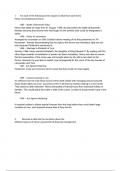
-‘Union of Zemstvo’, funded by both public and state, provided medical facilities that the
state neglected and military supplies. They were altogether more effective than the Gov’t.
-‘Pillars of autocracy’ breaking down are cause for success of February revolution
-Rodzianko’s (Chairman of State Duma) telegram to Nicholas II explaining the situation and
suggesting an elected Government left ignored. Nicholas reacted by suspending the Duma
and reportedly stating: ‘That fat Rodzianko has now sent me a load of nonsense, of which I
won’t even bother to reply’.
-Some women spent up to 24 hours queuing for food in February and it was news of bread
rationing that sparked riots.
-20,000 workers locked out of Putilov Steel Works after pay talks collapsed and factories
across Petrograd went on strike in support and joined the International Women’s Day march.
-The protests grew to over 250,000 (over half the cities workforce)
-Protestors reportedly singing ‘La Marseillaise’
-Shalfeev, in charge of mounted police, was pulled from his horse and shot.
-Civilians shot by Nevskii Prospekt but some Cossacks refused to attack protestors
-40 protestors shot by Petrograd Military District on orders from Nicolas II
-Volynskii regiment mutiny armed protestors with riffles
-The Duma disobeyed the Tsar and met up to organise a Provisional Committee to take over
the Gov’t. Revolutionaries set up the Petrograd Soviet which also intended to take over Gov’t
and it began organising food supplies for the city.
-The army’s High Command supported the Provisional Committee.
-Lenin (Switzerland), Trotsky (New York) and Stalin + Kamenev (Siberia) were all exiled
abroad during revolution
-Nicolas II’s brother Mikhail refused to become the new Tsar so political authority came from
the Provisional Government and Petrograd Soviet.
-The Petrograd Soviet’s ‘Order No.1’ provided soldiers rights and told them to obey
Provisional Gov’t but only when they agreed with the Petrograd Soviet.
-They had conflict over involvement in the war, the rights of soldier/workers/peasants,
discipline in army and countryside as well as the Provisional Gov’t’s hesitance at holding an
election due to the obvious SR win. The Provisional Gov’t was headed by Prince Lvov and
made up of former constitutional monarchy supporters whilst the Petrograd Soviet was more
democratic and less elitist.
-Although they did agree on the first decree of the Provisional Gov’t which granted amnesty
for political/religious prisoners and established freedom of press/speech.
-Provisional Gov’t could not act fully independently from the Petrograd Soviet: ‘Dual power’.
-Socialist writer, Maxim Gorky, argued that it was ‘chaos’ not revolution
Tsar’s abdication; the establishment of the Provisional Government and the Petrograd
Soviet; the workings of Dual Authority
-‘Union of Zemstvo’, funded by both public and state, provided medical facilities that the
state neglected and military supplies. They were altogether more effective than the Gov’t.
-‘Pillars of autocracy’ breaking down are cause for success of February revolution
-Rodzianko’s (Chairman of State Duma) telegram to Nicholas II explaining the situation and
suggesting an elected Government left ignored. Nicholas reacted by suspending the Duma
and reportedly stating: ‘That fat Rodzianko has now sent me a load of nonsense, of which I
won’t even bother to reply’.
-Some women spent up to 24 hours queuing for food in February and it was news of bread
rationing that sparked riots.
-20,000 workers locked out of Putilov Steel Works after pay talks collapsed and factories
across Petrograd went on strike in support and joined the International Women’s Day march.
-The protests grew to over 250,000 (over half the cities workforce)
-Protestors reportedly singing ‘La Marseillaise’
-Shalfeev, in charge of mounted police, was pulled from his horse and shot.
-Civilians shot by Nevskii Prospekt but some Cossacks refused to attack protestors
-40 protestors shot by Petrograd Military District on orders from Nicolas II
-Volynskii regiment mutiny armed protestors with riffles
-The Duma disobeyed the Tsar and met up to organise a Provisional Committee to take over
the Gov’t. Revolutionaries set up the Petrograd Soviet which also intended to take over Gov’t
and it began organising food supplies for the city.
-The army’s High Command supported the Provisional Committee.
-Lenin (Switzerland), Trotsky (New York) and Stalin + Kamenev (Siberia) were all exiled
abroad during revolution
-Nicolas II’s brother Mikhail refused to become the new Tsar so political authority came from
the Provisional Government and Petrograd Soviet.
-The Petrograd Soviet’s ‘Order No.1’ provided soldiers rights and told them to obey
Provisional Gov’t but only when they agreed with the Petrograd Soviet.
-They had conflict over involvement in the war, the rights of soldier/workers/peasants,
discipline in army and countryside as well as the Provisional Gov’t’s hesitance at holding an
election due to the obvious SR win. The Provisional Gov’t was headed by Prince Lvov and
made up of former constitutional monarchy supporters whilst the Petrograd Soviet was more
democratic and less elitist.
-Although they did agree on the first decree of the Provisional Gov’t which granted amnesty
for political/religious prisoners and established freedom of press/speech.
-Provisional Gov’t could not act fully independently from the Petrograd Soviet: ‘Dual power’.
-Socialist writer, Maxim Gorky, argued that it was ‘chaos’ not revolution