To what extent did the British experience of transport and leisure pursuits change 1918-79?
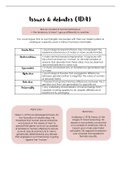
1918-39 Development of mass tourism
Spectator sports - In the 19th century, tourism was reserved for the aristocracy
- Spectator sports had an important social function as central and upper middle-class, but by the 20th century it changed
institutions in British life, culture and identity with sufficient leisure time, money and cheap travel costs
- Increase in leisure time meant working-class supporters causing tourism into a mass industry
could attend matches - By 1925, 1.5 million working-class employees had access to
- Development of teams meant players from local paid and bank holidays creating opportunities for the
communities created a close affinity in the minds of many expansion of the tourism industry
supporters for their teams - By 1939, 11 million received paid holiday
- Sporting audiences grew rapidly with the introduction of TV - Blackpool had 7 million overnight visitors in 1937
and radio, changing how people spent their leisure time and - Growth in the affordability of cars led to the development of
experienced sport tourism across Britain that was not reliant on train travel to
- Football was a cheap form of entertainment that attracted seaside resorts
thousands – e.g. in the 1920s and 1930s, an average of 22 - Coaches transported 82 million passengers to rural parts of
million attended football Britain in 1936
- In the 1920s and 1930s, it was possible to see major events - By 1939, there were 2 million cars on the road
such as the horse races for free – Epsom, Aintree and Derby - 72,000 people visited the Lake District annually in the 1930s
race courses attracted 200,000 - Youth Hostel Association made hiking cheap
- During the depression, football, rugby and cricket clubs in - Better educated population meant visits of important
deprived areas struggled causing nearly all rugby league cultural and historical significance
clubs outside Yorkshire and Lancashire to close - Butlins
- Other sports enjoyed large, middle-class audiences between o First developed in 1936 offering cheap holidays with
the wars – e.g. 50,000 at the Ryder Cup in 1933 activities and entertainment and had 100,000 visitors
- 100,000 attended Greyhound racing in 1933 per year by 1939
- Development of major arenas for sporting events suggest o Declined in the early 1970s as it felt similar to an army
spectator sports became central to many people’s ways of camp, tastes changed as living standards rose as people
life demanded a more individual experience leading to the
- Provided entertainment at an affordable price growth of foreign holidays
- Took people’s minds off the economic problems of the 1930s o Marketed holidays to teenagers leading to vandalism,
- As the audience was almost exclusively male, sports had drinking and antisocial behaviour, damaging Butlin’s
little impact on women family-friendly image
- Broadcasting o Decline shows how changes in consumer income and
o BBC began broadcasting live from football matches in taste shaped spending habits and the importance of
1936 teenage consumers
o Despite the Football Association’s concerns broadcasting
would reduce attendance, it actually rose as it Car ownership and travel developments
1918-39 Development of mass tourism
Spectator sports - In the 19th century, tourism was reserved for the aristocracy
- Spectator sports had an important social function as central and upper middle-class, but by the 20th century it changed
institutions in British life, culture and identity with sufficient leisure time, money and cheap travel costs
- Increase in leisure time meant working-class supporters causing tourism into a mass industry
could attend matches - By 1925, 1.5 million working-class employees had access to
- Development of teams meant players from local paid and bank holidays creating opportunities for the
communities created a close affinity in the minds of many expansion of the tourism industry
supporters for their teams - By 1939, 11 million received paid holiday
- Sporting audiences grew rapidly with the introduction of TV - Blackpool had 7 million overnight visitors in 1937
and radio, changing how people spent their leisure time and - Growth in the affordability of cars led to the development of
experienced sport tourism across Britain that was not reliant on train travel to
- Football was a cheap form of entertainment that attracted seaside resorts
thousands – e.g. in the 1920s and 1930s, an average of 22 - Coaches transported 82 million passengers to rural parts of
million attended football Britain in 1936
- In the 1920s and 1930s, it was possible to see major events - By 1939, there were 2 million cars on the road
such as the horse races for free – Epsom, Aintree and Derby - 72,000 people visited the Lake District annually in the 1930s
race courses attracted 200,000 - Youth Hostel Association made hiking cheap
- During the depression, football, rugby and cricket clubs in - Better educated population meant visits of important
deprived areas struggled causing nearly all rugby league cultural and historical significance
clubs outside Yorkshire and Lancashire to close - Butlins
- Other sports enjoyed large, middle-class audiences between o First developed in 1936 offering cheap holidays with
the wars – e.g. 50,000 at the Ryder Cup in 1933 activities and entertainment and had 100,000 visitors
- 100,000 attended Greyhound racing in 1933 per year by 1939
- Development of major arenas for sporting events suggest o Declined in the early 1970s as it felt similar to an army
spectator sports became central to many people’s ways of camp, tastes changed as living standards rose as people
life demanded a more individual experience leading to the
- Provided entertainment at an affordable price growth of foreign holidays
- Took people’s minds off the economic problems of the 1930s o Marketed holidays to teenagers leading to vandalism,
- As the audience was almost exclusively male, sports had drinking and antisocial behaviour, damaging Butlin’s
little impact on women family-friendly image
- Broadcasting o Decline shows how changes in consumer income and
o BBC began broadcasting live from football matches in taste shaped spending habits and the importance of
1936 teenage consumers
o Despite the Football Association’s concerns broadcasting
would reduce attendance, it actually rose as it Car ownership and travel developments